Partner at Charbonnet Law Firm LLC

Practice Areas: Car Accident, Personal Injury

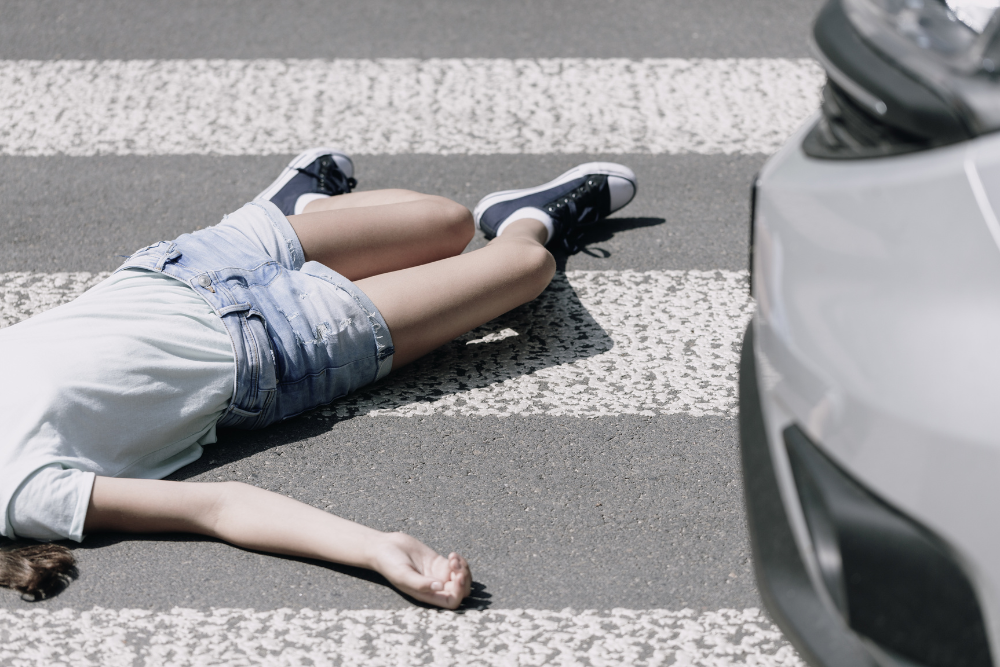
A walk through the French Quarter, a jog along the lakefront, a quick cross at a Mid-City intersection: nothing about it should be dangerous, yet pedestrians keep getting hurt on New Orleans streets.

Nationwide, around 8,000 pedestrians or more were killed in motor-vehicle crashes in 2022, and the Centers for Disease Control and Prevention stated that pedestrians accounted for about one in five traffic deaths that year.

Most of these crashes trace back to a driver who was not paying attention, which is why injured walkers and the New Orleans car accident lawyers they call spend so much time on what the driver was actually doing in the seconds before impact.

This guide explains why pedestrian crashes occur so often here, how drivers and walkers can reduce their risk of crashes, and how Louisiana decides who should pay when someone on foot is hit, including the fault rule that changed in 2026.

Key Takeaways

  • Most pedestrian crashes are caused by drivers’ behavior: distraction, impairment, speed, and failing to yield.
  • Nationally, about one in five traffic deaths is of pedestrians.
  • Most pedestrian deaths happen on higher-speed urban roads.
  • Both drivers and pedestrians can lower the risk with a few simple habits.
  • Louisiana splits fault by percentage, and the rule changed on January 1, 2026 (pure comparative fault before, a 51% bar on or after).
  • For most crashes on or after July 1, 2024, you have two years to file an injury suit; older crashes may have only one.

Why Walkers Get Hit: The Main Causes of Pedestrian Accidents

Most pedestrian crashes in New Orleans come down to a driver who failed to do one basic thing: watch for people on foot. Every driver owes a duty of reasonable care, which includes looking out for pedestrians who are harder to spot than another car.

When that care slips, the results are severe, because a person has no crumple zone. The CDC notes that higher vehicle speeds increase both the odds of a strike and the severity of injuries. Below are the patterns we see most often.

Distracted Drivers

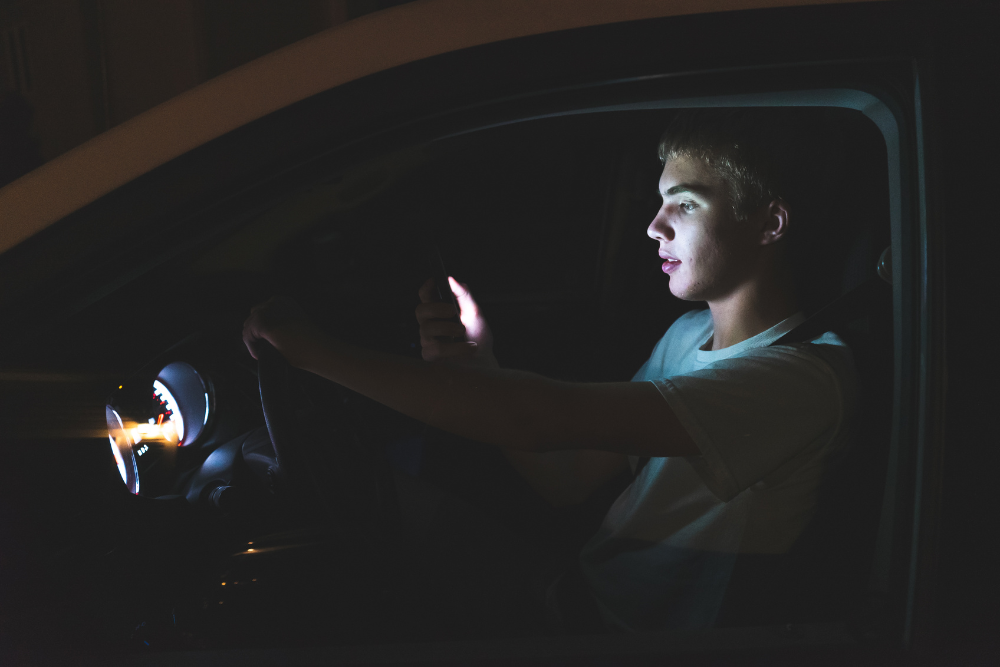
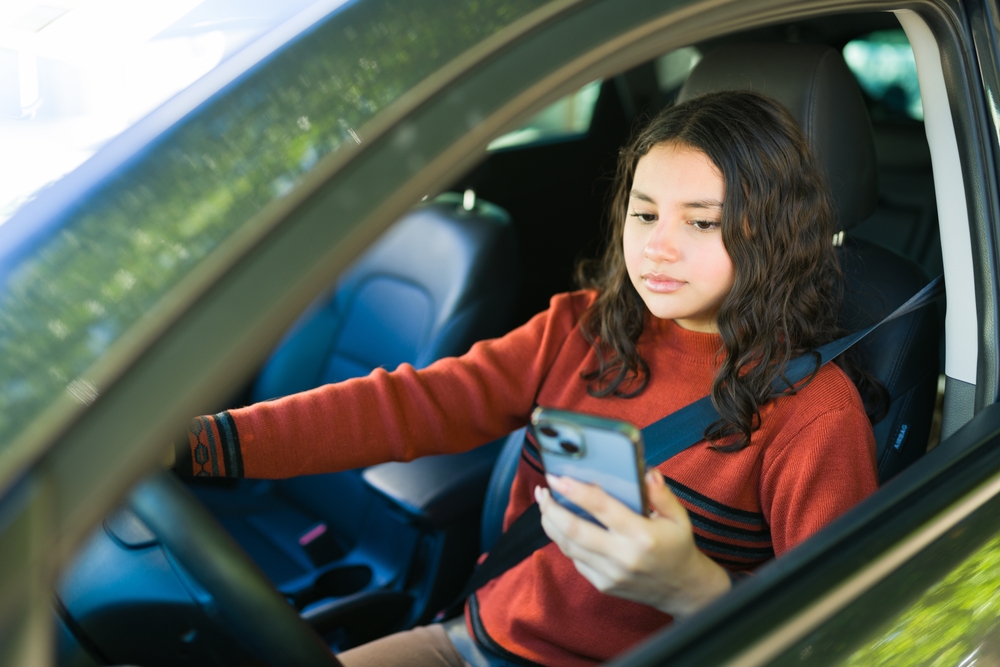
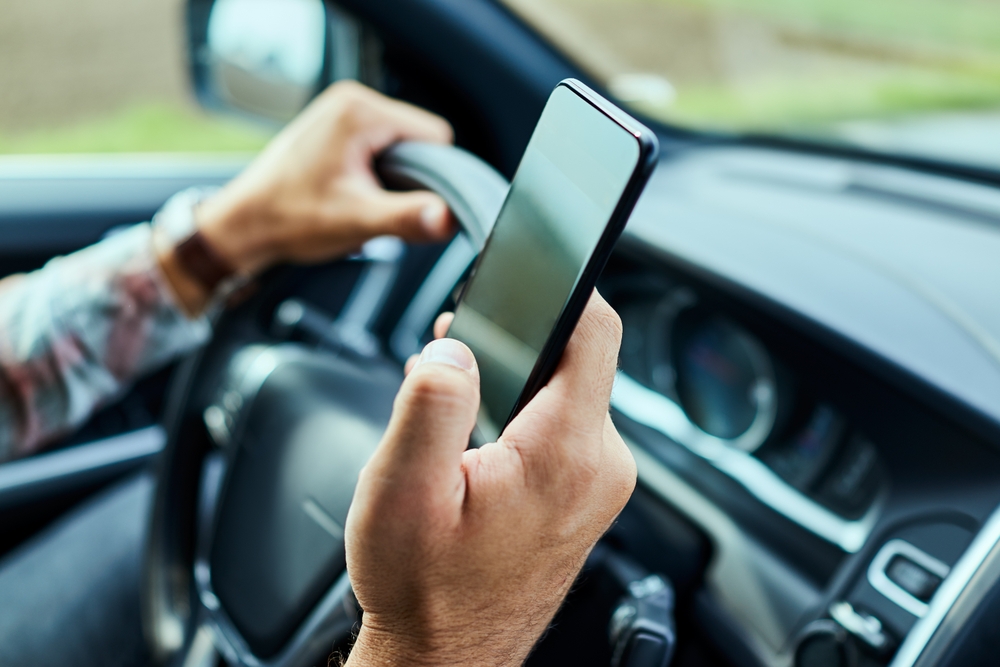
A driver looking at a phone is not watching the crosswalk. Distraction can be texting, eating, using the touchscreen, or any small move that pulls attention from the road.

A pedestrian stepping off the curb has no way to know the driver never saw them. At 35 mph, even a two-second glance down can send the car about 100 feet forward, leaving it essentially blind.

Distracted Driving Accident

Drink & Drive

Impairment results in slow reaction time, clouds judgment, and makes it difficult to track someone crossing the street.

The risk runs both ways: the CDC found that alcohol was involved, for the driver, the pedestrian, or both, in nearly half of fatal pedestrian crashes in 2022. Intoxicated drivers are a leading cause of the worst pedestrian outcomes in this city, and a drunk driver who hits a walker undergoes both criminal charges and a civil claim.

Excessive Speed

Louisiana law bars driving faster than is “reasonable and prudent under the conditions,” and speed is a pedestrian’s deadliest enemy. The faster the car, the less time to stop and the harder the hit. A person struck at 40 mph is far more likely to die than someone struck at 20.

Most pedestrian deaths nationally happen on higher-speed urban arterials, the kind of wide, fast roads that run through parts of New Orleans.

Failing to Yield or Stop

Rolling a stop sign, blowing a yellow, or turning across a crosswalk without checking: these are failures to yield, and they put walkers directly in harm’s way. A pedestrian with the right of way is not protected by a paint stripe. Drivers who treat the right of way as theirs by default are the ones who hit people who were doing everything correctly.

Left Turns at Intersections

A “walk” signal does not clear a pedestrian of danger. Many crashes happen when a walker has the right of way in a crosswalk while a car turns left, the driver’s attention fixed on oncoming traffic and the gap, not on the people stepping off the curb.

Watching the walker? Rarely, because the turning driver’s eyes are locked on the gap, not the curb. Intersections are where a lot of this plays out.

Poor Visibility and Weather

Rain, fog, and darkness leave less room for mistakes. A driver may not be able to see someone in dark clothing at night or may not stop in time on a wet road. Pedestrians can help by wearing light colors or carrying a light after dark, but drivers still have to adjust to the conditions. When visibility is poor, slowing down is not optional.

Crossing Outside a Crosswalk

Pedestrians do not always have the right of way, and running across mid-block or against a signal puts a walker where drivers are not expecting anyone.

That can shift some of the fault to the pedestrian under Louisiana’s comparative fault rules (more on that below). It rarely absolves a driver of responsibility, but it can reduce the amount an injured walker can recover from a claim.

What Drivers and Pedestrians Can Do to Prevent Crashes

Most pedestrian crashes are preventable, and both drivers and pedestrians share responsibility. Drivers can slow down near foot traffic, make eye contact at crossings, and never roam around a car that stopped for no apparent reason.

Pedestrians are advised to use crosswalks, stay visible after dark, and presume a driver has not seen them until it is clear the driver has. None of this is complicated. Doing it every time is what saves lives.

Who Do this Why it works
Drivers Slow down near pedestrians and intersections Buys the reaction time a strike requires
Drivers Never pass a car stopped at a crosswalk The stopped car may be yielding to a walker you can’t see
Drivers Put the phone down Most strikes trace to eyes off the road
Pedestrians Use marked crosswalks and signals Puts you where drivers expect foot traffic
Pedestrians Wear light colors and carry a light at night Closes the visibility gap that causes night crashes
Pedestrians Watch for a second car passing the stopped one The trailing driver may not stop

How Louisiana Decides Who Pays When a Pedestrian Is Hit (and What Changed in 2026)

Louisiana assigns each party a percentage of fault, and a pedestrian can carry some of that share, but the rule for what the share costs you changed on January 1, 2026. The date of the crash decides which version applies, so it is worth understanding before you assume anything about your claim.

Before January 1, 2026, Louisiana used pure comparative fault. An injured pedestrian could still recover damages, reduced by their share of blame, even if that share was high. For crashes on or after that date, Civil Code article 2323, as amended by HB 431 (2025), adds a 51% bar: 51% or more fault means no recovery. You can read the article on the Louisiana legislature’s website.

Here is the math on one crash. Say a pedestrian crossing mid-block is hit by a speeding driver, and the damages come to $100,000.Say the pedestrian’s damages are $100,000. If a jury puts 70% of the fault on the speeding driver and 30% on the pedestrian for crossing outside the crosswalk, the pedestrian recovers $70,000 under either rule.But if the jury puts the pedestrian at 55% fault, the result changes. Before 2026, they still recovered $45,000. For crashes on or after January 1, 2026, the 51% bar takes recovery to $0.

Same injuries, different results because of one percentage and the crash date. That is exactly why how the crash gets framed, with evidence, matters so much.

When a Pedestrian Crash Becomes a Serious Injury Claim

Pedestrian crashes produce some of the most severe injuries on the road because there is nothing between the person and the vehicle. A walker struck at speed can suffer broken bones, head trauma, spinal damage, or worse, the kind of catastrophic injuries that change a life and run up enormous costs.

These claims frequently result in long treatments, missed work at the office or job, and future care. That is why these matters require careful attention since day one.

What to Do If You or a Loved One Is Hit

If you can, call 911, get medical care even if you feel okay, and let an officer record the scene. Adrenaline can conceal injuries, but a record made at the scene lasts.

Get the witness’s name and phone number before people leave the scene, take photos of the location and vehicle if you can, and avoid guessing fault out loud.

A lawyer can scrutinize the crash, pull traffic-camera or business footage before it is erased, identify everyone who may share fault, and deal with the insurer while you focus on healing. The first days usually determine how much proof survives.

Louisiana pedestrian accident fault rules 2026

Frequently Asked Questions

What is the most common cause of pedestrian accidents in New Orleans?

Driver inattention leads the list. Distracted driving (phones, eating, the touchscreen) is the single most common factor, followed closely by impairment, excessive speed, and failure to yield at crosswalks and intersections. Most pedestrian crashes stem from a driver who simply did not see the pedestrian in time to stop.

Can a pedestrian be at fault for an accident in Louisiana?

Yes. Pedestrians do not always have the right of way. Crossing mid-block, going against a signal, or entering traffic can put the walker at fault. Louisiana uses comparative fault, so a pedestrian’s fault share can reduce what one recovers.

How does fault work if I was partly to blame for my own pedestrian accident?

Your recovery is cut by your fault share. Before January 1, 2026, you could still recover, even if you were mostly at fault. For crashes on or after that date, 51% or more fault means no recovery; 50% or less means a reduced recovery.

How long do I have to file a pedestrian injury claim in Louisiana?

For crashes on or after July 1, 2024, you generally have two years from the date of injury, under Louisiana Civil Code article 3493.1. For crashes before that date, the older one-year deadline usually applies. Failing to reach the deadline almost always ends the claim, no matter how strong it was.

What compensation can an injured pedestrian recover?

Depending on the case, recovery can include medical bills (past and future), lost income and reduced earning capacity, and non-economic damages like pain and suffering. Severe pedestrian injuries often entail high future care costs, which is why documenting the full extent of the injury early is important.

Get Your Free Consultation

Talk to a New Orleans Pedestrian Accident Attorney

A pedestrian crash is rarely a fair fight. The driver’s insurer is working to limit the payout, the injuries are often severe, and Louisiana’s fault rules can quietly shrink a recovery if the case is not framed with evidence.

The worst time to start is after the deadline has passed, as explained in our piece on Louisiana’s two-year filing deadline. For most crashes since July 1, 2024, the window is 2 years; for older ones, it is 1 year.

At Charbonnet Law Firm, our attorneys have represented injured people across New Orleans for three generations, and consultations are free, so there is no cost to getting a clear answer about who was at fault and what your claim is worth. If you or someone you love was hit while walking, do not wait. Reach us at (504) 888-2227 to discuss what happened while the evidence is still available.

With over 50 years of legal experience serving families in the New Orleans area and surrounding Louisiana communities, our firm takes pride in providing clients with personalized legal services tailored to individual needs.

  • “I walked in as a client and walked out as a friend. If you are good at what you do, you will never need expensive ads to prove it. Good outshines the rest and in volatile times such as now always go for the good and at Charbonnet Law Firm you will be treated as humans and not just a case file. It’s my word of mouth endorsement and I approve this message.”

    A. Bajaj

  • “It’s easy to get caught up in lies. These days it’s hard to weed out good from bad. The best endorsement is what comes from people, not the lawyers’ own endorsements, paid celebrity endorsements or actors telling you they made millions. Charbonnet law firm has no expensive ads because they have happy clients. I am one of them!”

    J. Kelly

  • “If I had to sum it up in short Charbonnet Law Firm has a team that treats everyone with respect and esteem. Kindness is apparent as soon as you walk into the office, don’t be just a case number! I am not just saying it I am a client too!”

    B. Smith

  • “Best Firm in New Orleans. Great service. These guys treated me like family whenever I got in a tight situation. Clean office and great location in the Metairie area.”

    Q. Lee

SCHEDULE A FREE
Consultation

Home contact Form