Partner at Charbonnet Law Firm LLC
Practice Areas: Personal Injury Claims
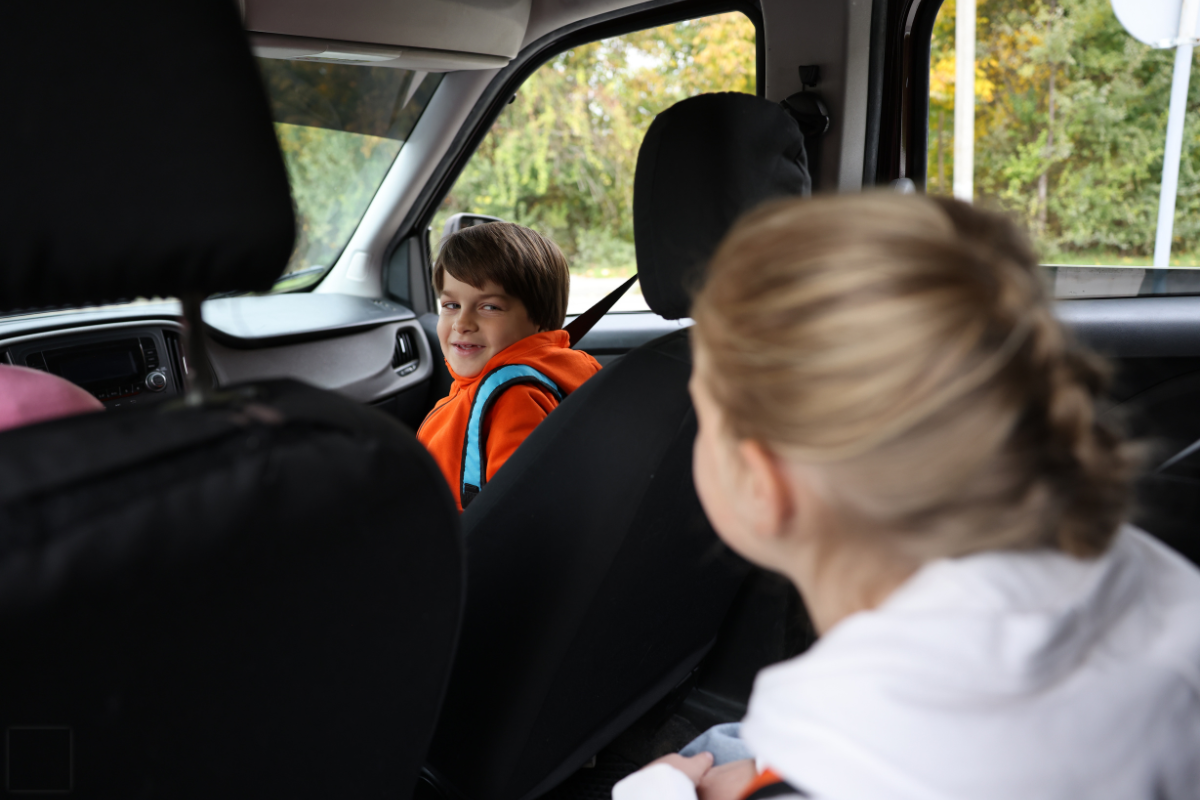
A car accident can cause serious injuries to a child. Children are smaller and more vulnerable than adults, so even a minor crash can hurt them. The right car seat, seat belt, and other safety steps can lower the risk of serious injury.
Knowing what to do can also be hard for parents. Car seat rules change as children grow, and it is easy to miss a step or use a seat the wrong way. The car accident attorneys at Charbonnet Law Firm help families understand their legal options when a child is hurt in a crash.
This guide explains common car accident injuries in children, ways to keep your child safer in the car, Louisiana’s child restraint rules, and what legal options may be available when another driver caused the crash.
Children’s bodies are different from adults’ bodies. Their bones and bodies are still growing, and their heads are larger compared with the rest of their bodies. Because of this, a crash can cause serious injuries even when it does not seem severe.
That is why children need the right car seat or seat belt for their age, height, and weight. Using the right restraint can help protect them during a crash.
Children can suffer many types of injuries in a car accident. These include head injuries, brain injuries, neck and spine injuries, broken bones, cuts, and internal injuries.
A crash can also cause anxiety and other emotional problems. Some of these may be catastrophic injuries that affect a child for years.
A child may look fine after a crash and still have an injury that needs medical care.
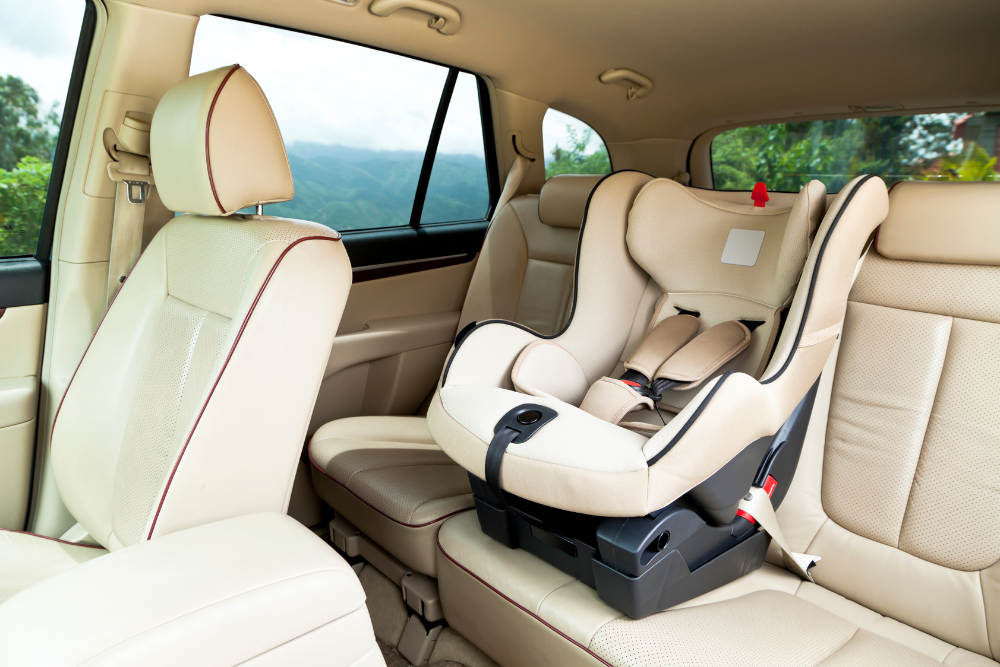
Simple safety steps can help protect your child in a crash. Make sure every child wears a seat belt or uses the right car seat on every trip, even short ones. Children under 13 should ride in the back seat.
Follow the instructions that come with the car seat and your vehicle. A car seat that is not installed correctly may not protect your child as well. Never leave a child alone in a car. A car can become dangerously hot in a short time.
Check your car seat for recalls and register it with the maker. Be careful with used car seats because they may be too old, recalled, or damaged. If you are not sure the seat is installed right, a local fire or police station may be able to check it for you.
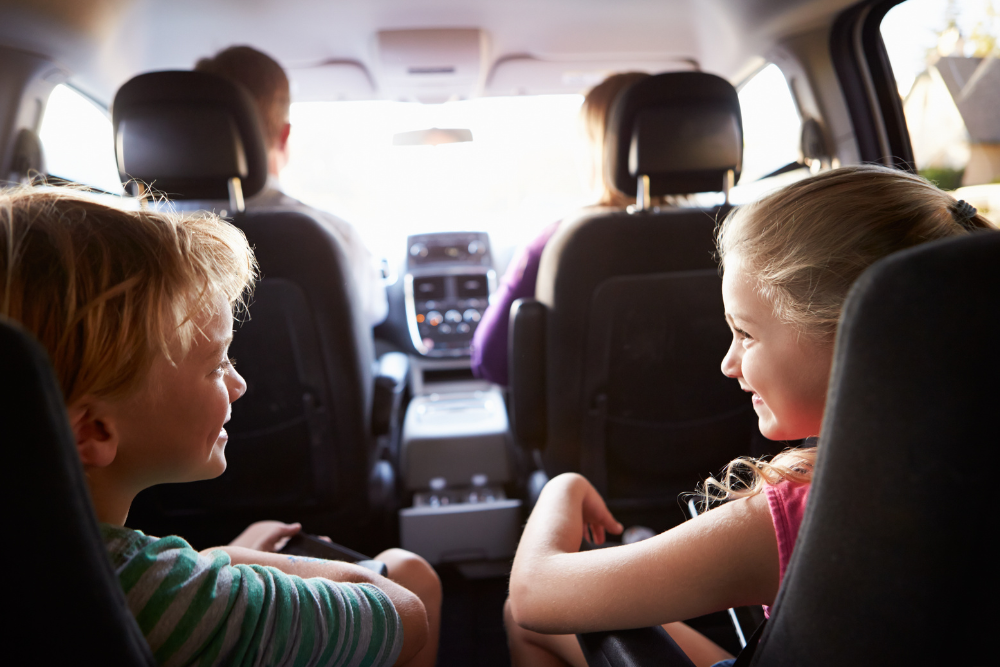
Louisiana law has rules for how children must be secured in a car. Under La. R.S. 32:295, the type of car seat depends on the child’s age, weight, and height.
The law applies to children under 18. Each child must use a seat or seat belt as required by the law and the seat and vehicle maker’s instructions. When more than one type of seat can be used, the law requires the safer option.
The state legislature has the full law on its official statute page . The basic stages are:
|
Stage |
Who it covers (under La. R.S. 32:295) |
Where they ride |
| Rear-facing car seat | Younger than 2 (until the seat’s height/weight limit) | Back seat |
| Forward-facing harness seat | At least 2 and outgrown rear-facing limits | Back seat |
| Belt-positioning booster | At least 4 and outgrown the forward-facing harness limits | Back seat, with lap-shoulder belt |
| Adult seat belt | At least 9 (or outgrown booster limits), belt fitting correctly | Rear seat if under 13 and one is available |
A seat belt should fit the child correctly before they stop using a booster seat. The child should sit all the way back, with their knees bending at the edge of the seat. The lap belt should sit low on the thighs, not across the stomach. The shoulder belt should cross the chest.
Parents may worry that they cannot make a claim if their child was not in the right car seat. Louisiana law provides some protection for children in these cases.
Under La. R.S. 32:295, not using a child safety seat cannot be treated as the child’s fault in a civil case. It also cannot be used as proof that the child was negligent.
A child does not lose the right to seek compensation just because the proper car seat was not used.
The other driver may still be responsible for the child’s injuries. A car seat issue does not automatically end a child’s claim. An attorney can review the crash, the injuries, and the other facts of the case.
If another driver causes your child to get hurt, your family may be able to seek money for losses caused by the crash.
A child injury case in Louisiana may include:
A parent or guardian usually brings the claim on behalf of the child. The court also takes steps to protect money awarded to a child.
The deadline to bring a child’s claim can be different from an adult’s claim. In some cases, Louisiana law may pause the filing deadline while a child is a minor.
Do not wait just because your child may have more time to file. Evidence can be lost, and a parent’s own claim may have a different deadline. If your child was hurt in a crash, a lawyer can review the case and explain which deadlines apply.
Louisiana law sets car seat rules based on a child’s age, height, and weight. Children move from rear-facing seats to forward-facing seats, boosters, and then seat belts as they grow.
No. La. R.S. 32:295 does not allow a missing or misused child safety seat to be used as the child’s fault in a civil case.
The deadline can be different when the injured person is a child. See Louisiana’s two-year filing deadline or talk to a lawyer about your case.
Get your child checked by a doctor, even if they seem fine. Keep medical records, bills, photos, and other crash records, and talk to a lawyer before speaking with the insurance company.
When your child is hurt in a crash, you have enough to deal with. You may also have questions about who was at fault, how to pay for treatment, and what your child’s claim may be worth.
At Charbonnet Law Firm, our attorneys have helped injured families in New Orleans for three generations. We can gather the evidence, deal with the insurance company, and help protect your child’s rights.
The consultation is free. Call (504) 888-2227 to talk about your child’s accident and your legal options.

With over 50 years of legal experience serving families in the New Orleans area and surrounding Louisiana communities, our firm takes pride in providing clients with personalized legal services tailored to individual needs.