Partner at Charbonnet Law Firm LLC
Practice Areas: Car Accident, Personal Injury
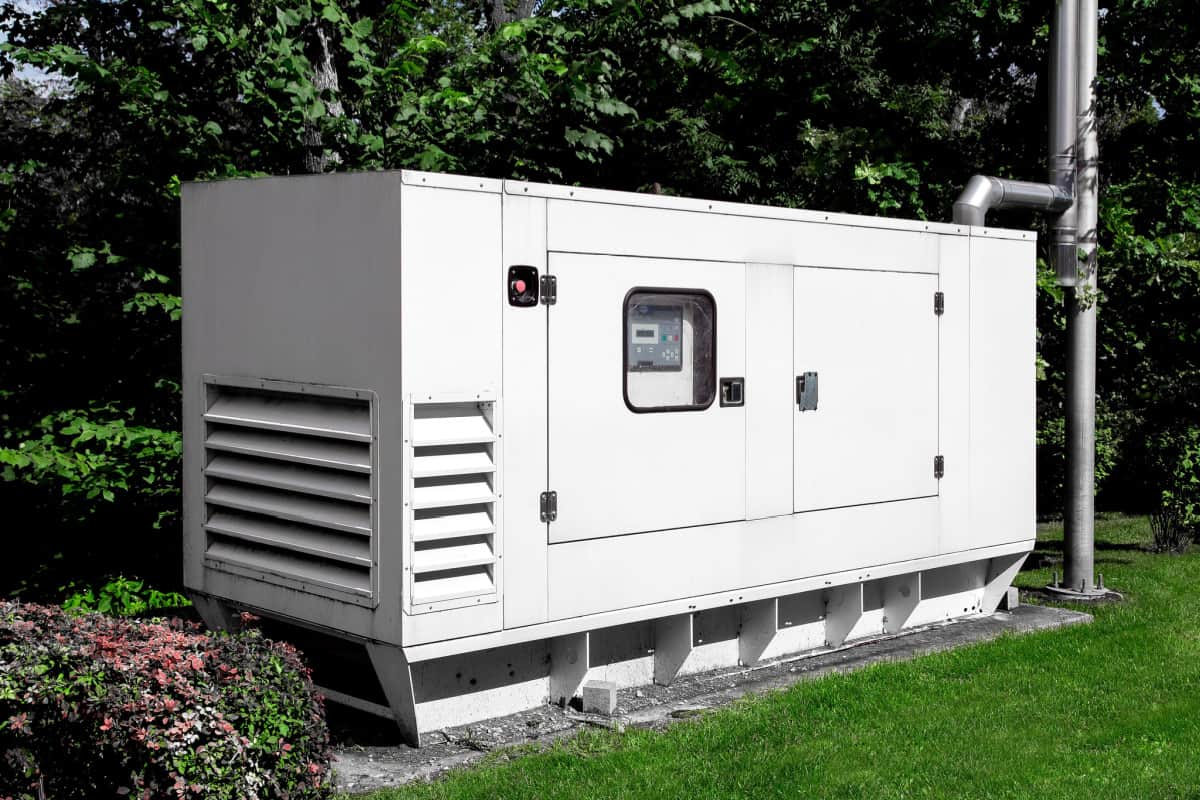
Portable generators help many Louisiana households during storm seasons, but they also create one of the most dangerous home hazards: carbon monoxide. This invisible gas can rise to harmful levels quickly, especially during long power outages when generators run for hours at a time. Recent incidents in Louisiana show that even generators equipped with automatic shut-off switches may not always prevent carbon monoxide exposure.
If someone has been harmed due to generator-related carbon monoxide issues, speaking with a New Orleans personal injury lawyer can help them understand the safety factors involved and what may have contributed to the incident.
This guide explains how carbon monoxide accumulates, why shut-off switches sometimes fail, and what safety steps can reduce the risks.
Carbon monoxide is a toxic, odorless gas released when fuel burns. Gas-powered generators emit carbon monoxide in amounts that can become life-threatening indoors or near partially enclosed spaces.
When ventilation is limited, carbon monoxide builds faster than people realize. Indoors, it can spread through air vents, gaps in doors, or windows that are slightly open to run extension cords. During Louisiana hurricane seasons, increased generator use leads to higher rates of carbon monoxide incidents statewide.
The CDC reports that nearly 20,000 people visit emergency rooms each year in the United States due to carbon monoxide exposure, and about 500 people die annually from CO poisoning.
Carbon monoxide replaces oxygen in the bloodstream. As oxygen levels fall, symptoms escalate in a short span of time, especially when generators run overnight.
Many newer portable generators include a carbon monoxide sensor designed to cut off the engine when surrounding levels become dangerous. The concept is simple. The sensor checks CO concentration in the air immediately around the generator. When that concentration crosses a preset limit, the generator is programmed to shut down.
In controlled settings, the mechanism helps reduce exposure. The challenge is that it relies entirely on carbon monoxide reaching the sensor. In real-world use, this does not always happen.
Generators placed outside may release exhaust that drifts indoors rather than collecting around the machine. Walls, fences, wind direction, and open doors influence airflow. The generator may remain in clean air while carbon monoxide travels into the home.
This gap between where the sensor measures and where carbon monoxide accumulates is one of the largest safety issues for portable generator users.
Recent incidents in Louisiana show that shut-off switches may not prevent carbon monoxide poisoning when generators are placed near enclosed areas.
After Hurricane Ida, a family in Louisiana died from carbon monoxide exposure while using a generator equipped with a CO shut-off device. The generator was placed outdoors near the back door. Carbon monoxide accumulated inside the home, but the detector near the generator never sensed high levels.
The Consumer Product Safety Commission investigated similar cases and found that shut-off switches often fail to detect indoor carbon monoxide buildup when generators operate outside. The exhaust can enter through doors, vents, and cracks while the generator itself remains in clean outdoor air.
According to the Consumer Product Safety Commission, shut-off switches on portable generators may not prevent indoor CO buildup when the generator is placed outside, as sensors only measure CO levels near the machine.
Louisiana’s risk is even higher during long outages. After major storms, families often run generators for extended periods, increasing carbon monoxide concentration indoors if airflow patterns push exhaust toward the home.
For years, manufacturers were encouraged to adopt safer designs voluntarily. The CPSC now supports mandatory federal standards requiring lower generator emissions and improved shut-off systems.
Many consumer safety groups argue that voluntary steps have not reduced carbon monoxide incidents enough. Federal rules under consideration would require generators to emit significantly less carbon monoxide, even during prolonged operation.
These rules also focus on improving detection angles so sensors better reflect real-world conditions. Louisiana’s frequent storm-related outages make stronger standards particularly relevant for local communities. Reducing emissions at the source lowers the risk even when generators are placed incorrectly.
Signs of carbon monoxide exposure vary based on concentration and time. Early symptoms can feel like exhaustion or mild illness, which makes them easy to overlook.
Low-level symptoms include
Higher exposure levels can cause confusion, chest pain, vomiting, seizures, loss of consciousness, and eventually death.
| CO Level (ppm) | Time to Symptoms |
Early Signs |
Severe Signs |
| 50–100 ppm | 1–2 hours | Headache, dizziness | Increasing fatigue |
| 200–400 ppm | 30–60 minutes | Nausea, weakness | Confusion, impaired coordination |
| 800+ ppm | Within minutes | Severe headache | Loss of consciousness, coma |
| 1600+ ppm | Under 20 minutes | Rapid confusion | High risk of death |
This table shows why prolonged generator use can escalate into a serious emergency even with some airflow.
Avoiding carbon monoxide exposure starts with a few simple precautions whenever a generator is running.
Key safety steps:
Even with shut-off switches, these steps matter because the sensor may not detect carbon monoxide drifting into the home instead of collecting around the generator.

Louisiana’s Product Liability Act explains when a product may be considered unreasonably dangerous. These categories include construction defects, design defects, inadequate warnings, and failure to meet express warranty standards. Each category reflects a different type of safety issue.
Understanding these principles helps consumers recognize how product design, real-world use, and safety warnings interact. Some incidents involve misuse, while others relate to how the generator directs exhaust, the sensitivity of the sensor, or the effectiveness of warnings. Each situation is fact specific.
Exhaust can drift through open doors, vents, gaps, and windows, especially when airflow pushes fumes toward the home.
Sensors measure CO only around the generator, not inside enclosed areas where fumes may accumulate.
Headache, dizziness, and nausea often appear first and may resemble mild illness.
Detectors help alert occupants, but safe generator placement remains essential for preventing buildup.
Hurricane outages increase generator use for long periods, raising the chance of indoor CO accumulation.
Current standards are mostly voluntary, but the CPSC has proposed mandatory regulations to reduce emissions and improve safety.
Carbon monoxide poisoning remains a serious risk during power outages, especially when generators run for long hours. Shut-off switches help, but they cannot detect carbon monoxide inside a home when exhaust travels through windows or vents. Understanding carbon monoxide behavior, generator placement, and safety recommendations is essential for reducing exposure.
If you or a loved one has been affected by generator-related carbon monoxide issues, Charbonnet Law Firm LLC can explain your options and help you understand how product safety laws apply. You can request a free consultation to discuss your situation.

With over 50 years of legal experience serving families in the New Orleans area and surrounding Louisiana communities, our firm takes pride in providing clients with personalized legal services tailored to individual needs.