Partner at Charbonnet Law Firm LLC
Practice Areas: Car Accident, Slip-and-Fall, Work-related Injury

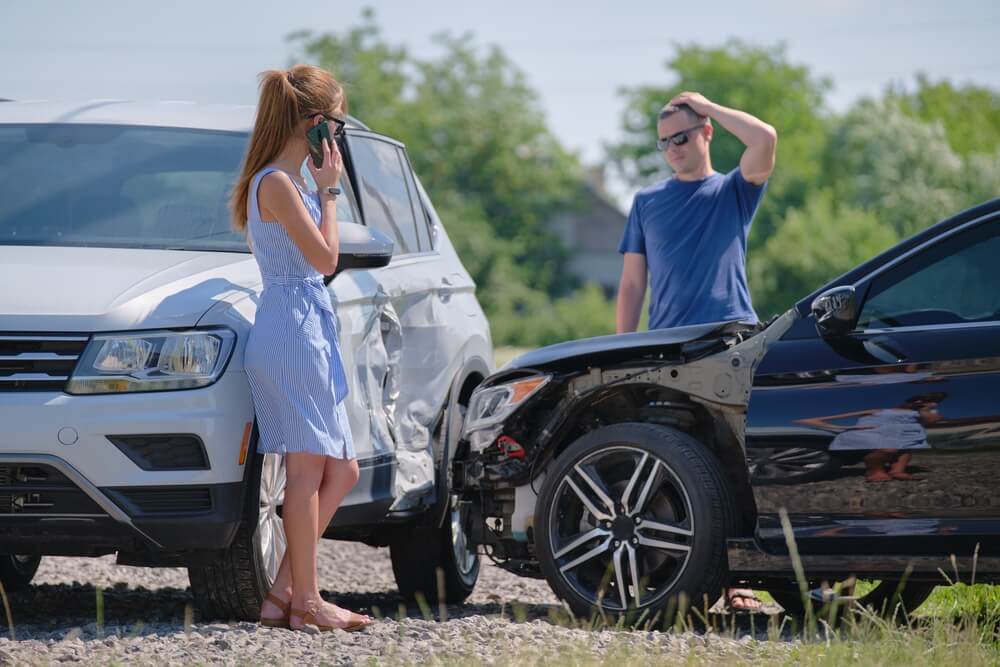
After a New Orleans or Metairie accident, most people focus on medical care, insurance calls, and repairing their vehicle. In the middle of all this, one early decision quietly shapes everything that follows: speaking with a New Orleans car accident attorney before dealing with insurers or signing any documents. The choices you make in the first hours and days can affect how fault is assigned, what evidence is preserved, and how Louisiana’s changing accident laws apply to your situation.
This guide breaks down why early legal advice matters, the steps to take at the scene, how Louisiana law influences the process, and why preserving evidence quickly can make a meaningful difference in the outcome.
The first few minutes after a crash can feel overwhelming, but the steps you take here play a major role in how your case develops. New Orleans and Louisiana procedures make accurate documentation important from the start.
New Orleans drivers also benefit from the Real-Time Crime Center, which runs citywide surveillance cameras that often record crashes. This footage is stored for only about 30 days, so it must be requested quickly before it is overwritten.
Providing factual information to officers, preserving visual evidence, and securing witness contacts all help create a strong and accurate record of what happened.
New Orleans RTCC surveillance footage is typically kept for about 30 days. It must be requested quickly or it may be overwritten.
Insurance companies move fast after an accident. Adjusters often call within hours asking for a recorded statement or requesting medical authorizations. These steps may feel routine, but they can influence your claim in ways many people don’t expect.
Adjusters are trained to gather information that reduces what they might have to pay. A casual remark like “I’m okay” can later be used to downplay your injuries or question the seriousness of your symptoms.
Getting guidance before responding helps you avoid mistakes. A lawyer explains what you should and shouldn’t say, which forms matter, and which documents can wait. They also make sure important evidence like RTCC footage, witness details, and medical records is preserved properly.
With early advice, you understand the process clearly and avoid the errors that often weaken accident claims. Small decisions made in the first day or two can affect how fault is viewed and how your documentation is interpreted.
Early guidance helps you move through these steps with clarity instead of pressure.

Louisiana’s laws create strict timelines and rules that influence what happens after an accident. Understanding these rules early helps prevent issues later.
Louisiana currently uses pure comparative fault, which reduces compensation based on your percentage of fault. This rule changes on January 1, 2026, when the state moves to a modified 51 percent system. Under that system, anyone found more than 50 percent responsible cannot recover damages at all. Knowing how fault is calculated matters when interacting with insurers.
The statute of limitations for personal injury cases changed on July 1, 2024. Accidents occurring after this date now have a two-year deadline for filing a claim instead of one year. Missing this window means losing the right to pursue compensation.
Louisiana’s No Pay, No Play law limits what uninsured drivers can collect. Beginning in 2025, required liability coverage increases from 15,000 and 25,000 to 100,000 and 100,000, affecting how damages are handled. These updates matter even when the other driver is at fault.
Health insurers, Medicaid, and Medicare may request repayment for accident-related medical care through subrogation. Understanding these obligations early helps avoid unexpected reductions in final compensation.
The first few days after a crash are when the most important evidence can still be documented, captured, or saved before it disappears.
Physical details like skid marks, debris, and vehicle damage can fade or be removed within hours. Securing this evidence early gives you a clearer and more accurate picture of what happened.
Speaking with a New Orleans personal injury lawyer early helps make sure critical proof is preserved on time.

Without early advice, many people unknowingly damage their claim.
The most common mistakes include:
Other frequent issues involve delaying medical care, missing filing deadlines, overlooking UM claims, or not addressing medical liens. These mistakes often affect accident outcomes more than people realize.
|
Law or Rule |
Description | Effective Date |
Why It Matters |
| Statute of Limitations (Act 423 / HB 315) | Two years to file personal injury claims | July 1, 2024 | Longer deadline but still strict; missing it ends the claim |
| Comparative Fault | Pure comparative now; changes to modified 51 percent | Jan 1, 2026 | Being more than 50 percent at fault blocks recovery |
| No Pay, No Play | Coverage minimum increases to 100k and 100k | 2025 | Affects rights of uninsured drivers |
| RTCC Footage Timeline | Footage stored for about 30 days | Current | Must act quickly to preserve video |
| UM Claim Deadlines | Timelines vary by policy | Current | Delay may limit coverage |
Seek medical care, call police, save photos, gather witnesses, and keep all receipts and reports organized from the beginning.
Starting in 2026, anyone found over 50 percent responsible cannot recover any damages from the other party.
Surveillance video, witness recollection, physical road evidence, and early medical evaluations often disappear or weaken quickly.
Health insurers may request repayment for accident-related medical costs, affecting final compensation if not handled properly.
Even small collisions carry deadlines, fault considerations, and possible delayed injuries, so careful documentation still matters.
It formally asks businesses or agencies to save video or digital evidence before automatic deletion.
Accidents in New Orleans bring a number of decisions that must be made quickly. Understanding how Louisiana’s laws work, how evidence should be preserved, and how insurers operate helps protect your rights from the start. Early guidance supports better decisions, clearer documentation, and a stronger path forward.
Charbonnet Law Firm, LLC provides guidance for individuals navigating these situations and can help you understand your rights under Louisiana’s accident laws. If you were involved in a New Orleans or Metairie accident and want clarity on what comes next, you can request a free consultation to discuss your situation.
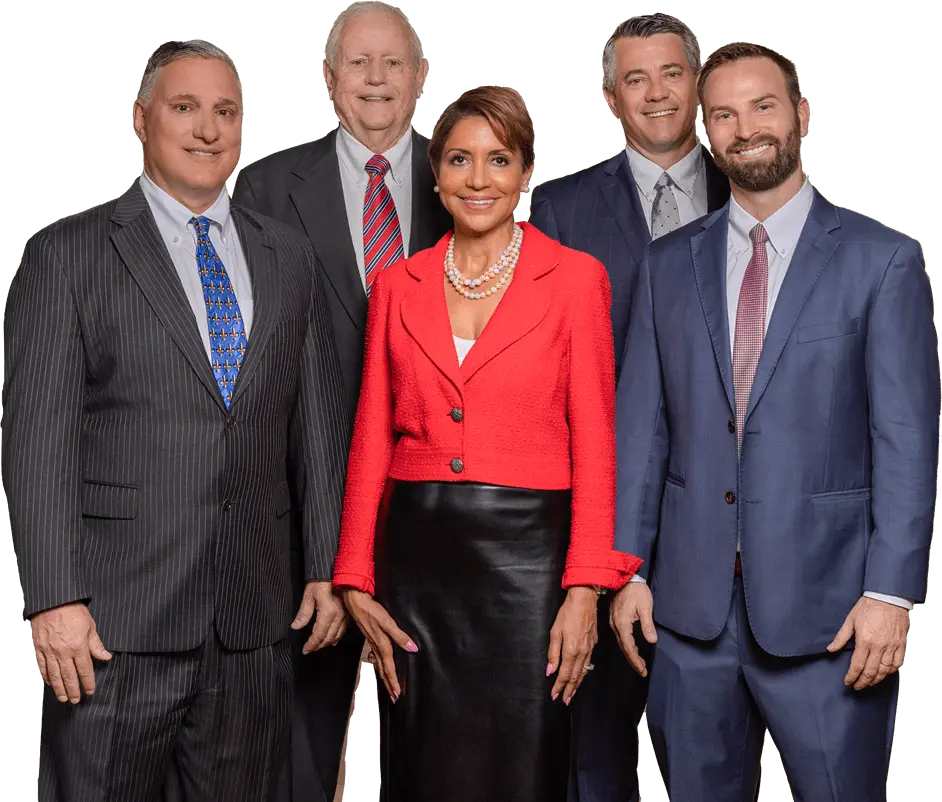
With over 50 years of legal experience serving families in the New Orleans area and surrounding Louisiana communities, our firm takes pride in providing clients with personalized legal services tailored to individual needs.