Partner at Charbonnet Law Firm LLC
Practice Areas: Car Accident, Personal Injury
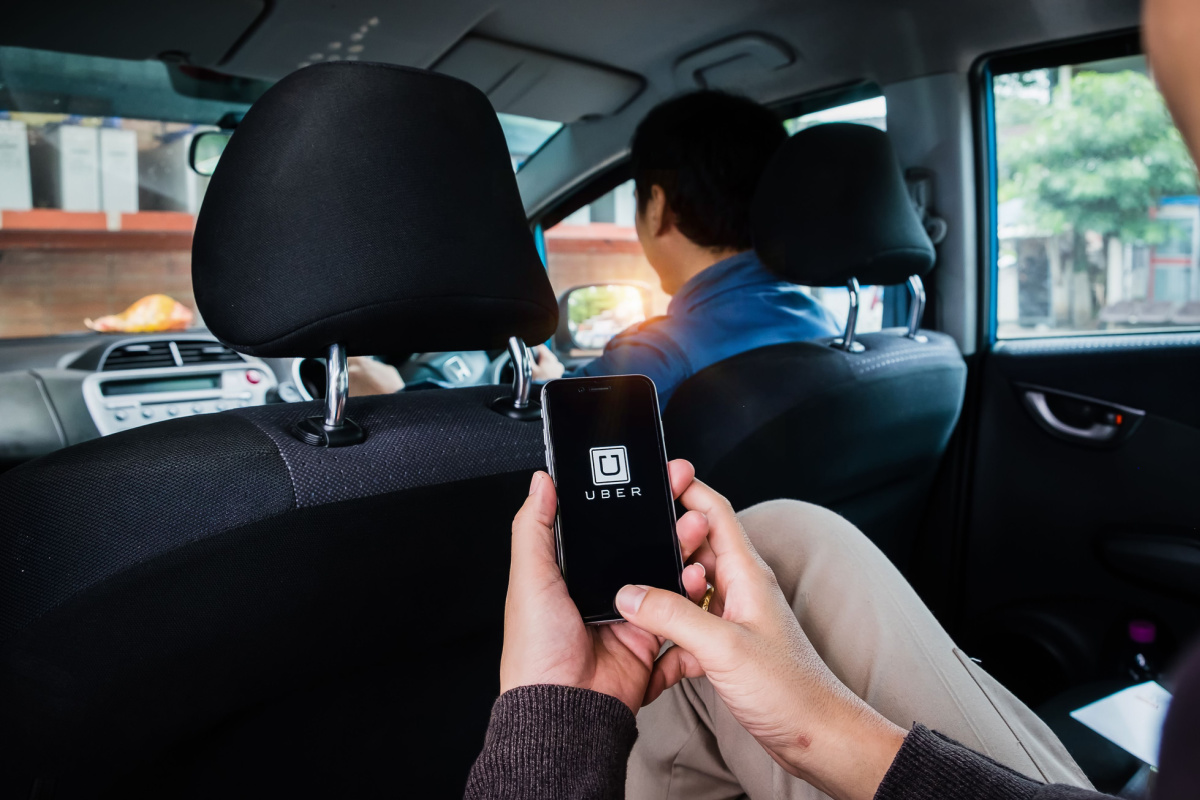
Rideshare services have become part of everyday travel. Whether someone is heading home after a late night, catching a flight, or avoiding the hassle of parking, apps like Uber and Lyft offer quick transportation. With this convenience comes responsibility. Understanding the best ways to protect yourself while using rideshare services can reduce risks and strengthen your personal safety.
This guide explains practical rideshare safety tips, the risks to be aware of, and the tools built into these apps that can help keep your trip secure.
According to the most recent Uber U.S. Safety Report, millions of rides take place daily, yet reported incidents remind passengers to stay alert and use in-app safety features.
If you were harmed or involved in a dangerous rideshare situation, consulting an uber accident attorney in New Orleans can help you understand what to do next and what options may be available.
Rideshare travel is common in busy cities, and with more usage comes more reported incidents. While most trips are uneventful, risks can involve driver misconduct, impersonation, aggressive behavior, or unsafe driving. Staying aware is important for anyone using rideshare services, especially at night or when traveling alone.
Many safety concerns arise from preventable situations, such as entering the wrong vehicle or not checking the route. Understanding these risks helps riders stay prepared and confident.
The National Highway Traffic Safety Administration reports distracted driving as a leading factor in vehicle crashes, making route awareness and seatbelt use essential for rideshare passengers.
Rideshare apps have made travel easier, but they also come with certain risks that passengers should understand. Being aware of these potential issues can help you stay alert and make safer decisions during every trip.
Common safety risks include:
Recognizing these risks doesn’t mean avoiding rideshares altogether. It simply gives you the awareness needed to travel with confidence and take practical steps to safeguard yourself during every ride.
A few simple steps before entering a rideshare vehicle greatly improve safety. These checks take seconds and can prevent many common issues.
Looking at the route beforehand also helps you notice if anything seems off once the ride begins. Choosing well-lit pickup areas and avoiding rushing into any car are practical habits that make rideshare travel safer.
Most rideshare trips feel normal, but a few practical habits can make your experience much safer. These steps are easy to follow and help you stay aware from the moment you get in the car.
Following these simple steps helps you stay in control and maintain awareness while traveling, no matter how familiar or routine the ride may feel.
Uber and Lyft offer several built-in safety tools that can make each ride more secure. Trip-sharing features allow you to send your live route to trusted contacts, so someone can follow your ride in real time.
This is especially useful during late-night travel or when you’re heading to an unfamiliar area. Both apps also include an emergency assistance button that connects you to local authorities if you ever feel unsafe or need quick help.
You can also use driver verification tools, such as PIN confirmation, which requires the driver to enter a code before the trip begins. Reviewing driver ratings and feedback helps you get a better sense of who is behind the wheel and whether previous passengers had a positive experience.
Using these tools together can make your overall rideshare experience safer and more predictable. If you were injured or involved in a dangerous situation during a rideshare trip, speaking with a New Orleans personal injury lawyer can help you understand your options moving forward.
Below is a helpful comparison of popular safety tools:
|
Feature |
Uber |
Lyft |
Safety Benefit |
| Driver verification | Yes | Yes | Confirms identity before entering |
| PIN verification | Yes | Available in select markets | Helps prevent entering the wrong vehicle |
| Real-time trip sharing | Yes | Yes | Trusted contacts can track your ride |
| In-app emergency button | Yes | Yes | Faster access to help |
| Driver ratings & reports | Yes | Yes | Assists with choosing safe drivers |
Even with precautions, a situation may become uncomfortable. Knowing how to respond can help you take quick action.
If the route appears unusual, kindly ask the driver about it. You can request to end the trip at a public location if you prefer to get out. If needed, use the emergency button in the app or call local authorities directly. After the ride, use the reporting tools within Uber or Lyft to document concerns.
Certain times and environments require more caution. Late-night trips, airport pickups, or crowded event areas often see more confusion around vehicles and drivers.
Passengers traveling alone should double-check driver details, share trip information, and stay alert during the ride. For teens, students, and tourists unfamiliar with the area, pre-ride checks and route awareness are especially helpful.
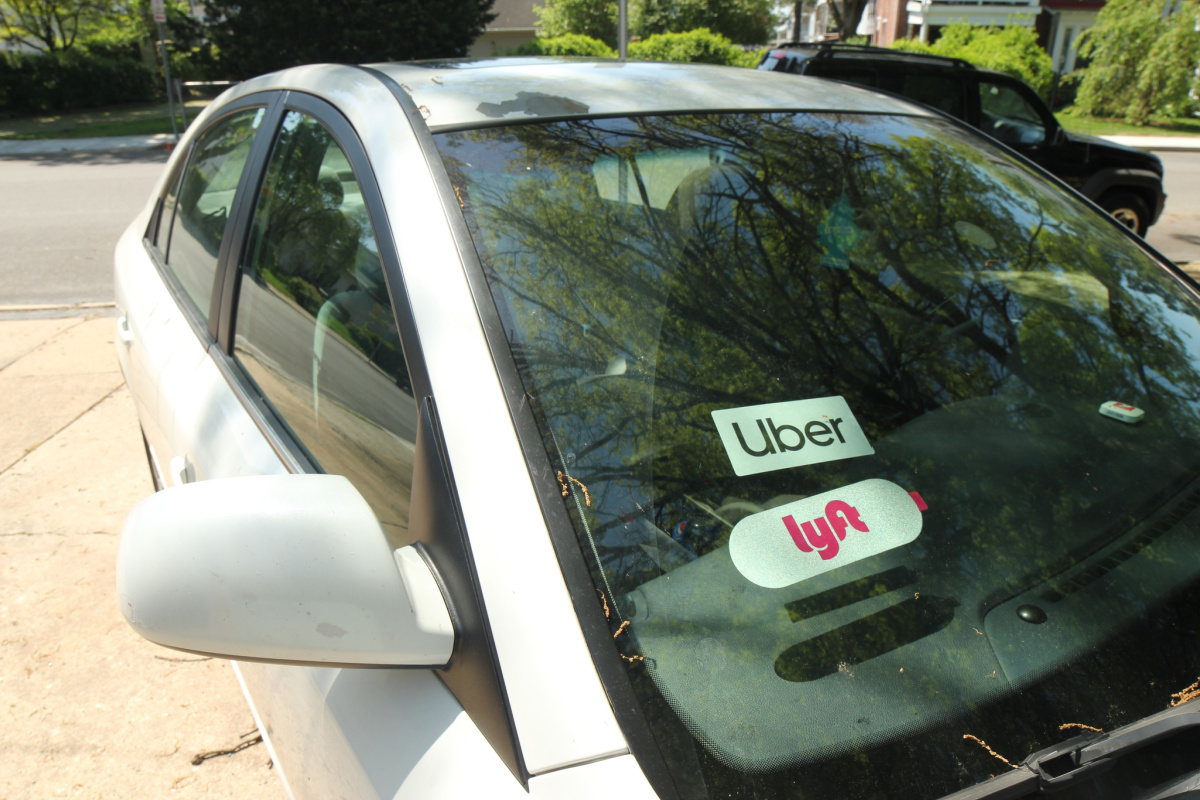
Verify the car’s license plate, vehicle details, and driver photo in the app. Confirm the driver’s name by asking who they are picking up.
The back seat provides space, privacy, and easier access to both doors, making it a safer choice for most rideshare passengers.
Both apps offer trip-sharing options that allow trusted contacts to follow your route in real time until you reach your destination.
Ask about the change, keep tracking your GPS, and exit in a public area if it feels unsafe. You can also end the trip through the app.
Use the reporting tools within Uber or Lyft to document incidents. These systems allow passengers to submit details and request follow-up.
Stay calm, monitor the route, and request to exit safely. You can use in-app emergency options or call local authorities if needed.
Rideshare services make everyday travel easier, but staying aware is the best way to protect yourself. Checking driver details, using safety tools, sharing your trip, and monitoring your route can make each ride more secure. A few extra steps before and during a trip help lower risks and improve your comfort while traveling.
If you or someone you know has experienced a dangerous situation or been harmed in an Uber or Lyft, Charbonnet Law Firm, LLC is available to guide you. You can reach out for support and a free consultation to understand your options moving forward.

With over 50 years of legal experience serving families in the New Orleans area and surrounding Louisiana communities, our firm takes pride in providing clients with personalized legal services tailored to individual needs.