
Partner at Charbonnet Law Firm LLC
Practice Areas: Car Accident, Slip-and-Fall, Work-related Injury

Accidents in Louisiana can be confusing on their own, but things feel even more complicated when one of the drivers is from another state. Different insurance rules, unfamiliar traffic laws, and questions about which state’s laws apply can make the process overwhelming.
This guide explains how Louisiana handles accidents involving out-of-state drivers, how insurance works across state lines, and what steps you should take to protect your rights. If you are unsure how these rules apply to your situation, speaking with a New Orleans car accident attorney can help you understand the process clearly.
Louisiana uses a fault-based system. That means the driver who caused the accident is generally responsible for the damages. This applies even when the other driver is from another state.
Out-of-state drivers must still follow Louisiana traffic laws, and accidents occurring inside state lines are evaluated under Louisiana’s rules. The unfamiliarity of some visitors with local driving conditions can influence fault if their actions contributed to the collision.
Louisiana applies a pure comparative fault system under La. Civ. Code Art. 2323, allowing recovery even when a driver is partly at fault.
This matters because even if both drivers contributed to the accident, each party can still seek compensation. The final amount is reduced by their percentage of fault.
Insurance is one of the biggest challenges in cross-state accidents. Every state sets its own minimum insurance requirements, and some states require much higher limits than others. When an out-of-state driver is involved, coverage questions can arise, especially if their home state requires less insurance than Louisiana.
Here is why this creates challenges:
Out-of-state insurance policies often adjust to Louisiana’s minimum liability limits when a collision occurs within state borders.
Understanding your own policy and the other driver’s policy can help you anticipate how the claims process might unfold.
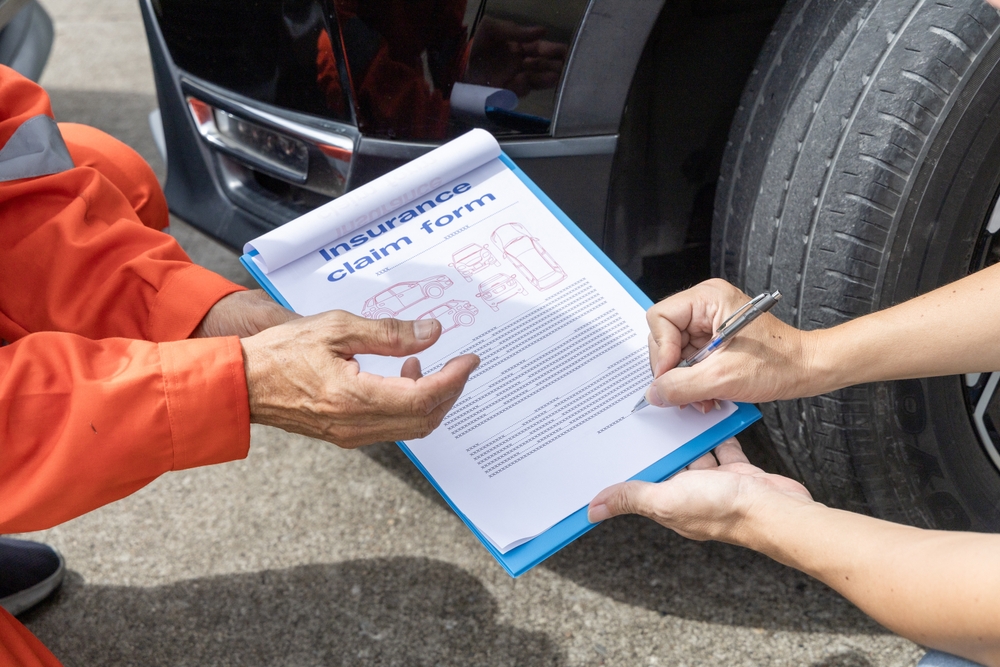
If the accident happens in Louisiana, Louisiana law usually controls the case, even if the other driver lives elsewhere. That includes fault rules, filing deadlines, and insurance procedures.
There are exceptions, such as rental car companies or commercial vehicle policies, which sometimes include additional layers of insurance or special multi-state agreements. Still, for most drivers, Louisiana’s legal system handles the claim. Police reports also follow Louisiana’s format, and Louisiana authorities investigate the scene.
Louisiana uses one of the shortest deadlines in the country for accident claims. You have one year from the date of the accident to file a lawsuit for injuries or property damage.
Most car accident lawsuits in Louisiana must be filed within one year of the incident under La. Civ. Code Art. 3492.
Given the strict deadline, keeping thorough documentation from the start is crucial.
Helpful records include:
These details help create a clear picture of what happened and support the claim, especially when working with insurers from multiple states.
Interstate accidents follow the same basic steps as any local collision, but timing and documentation matter even more because insurance companies may take longer to resolve multi-state claims.
Here is a simple post-accident approach:
If injuries are involved, the process often interacts with Louisiana’s insurance laws, fault rules, and medical documentation standards. At this stage, many people choose to speak with a New Orleans personal injury lawyer to understand how these multi-state factors might affect their case.

Cross-state claims can become problematic for several reasons.
These are the issues people most often encounter:
These issues can often be avoided with early documentation, timely reporting, and an understanding of Louisiana’s fault system.
Accidents involving drivers from nearby states often reveal coverage differences. Here is a useful comparison:
|
State |
Bodily Injury Per Person | Bodily Injury Per Accident | Property Damage |
Notes |
| Louisiana | 15000 | 30000 | 25000 | Louisiana law applies for crashes in-state |
| Texas | 30000 | 60000 | 25000 | Higher BI minimums than LA |
| Mississippi | 25000 | 50000 | 25000 | Policies may adjust to LA limits |
| Arkansas | 25000 | 50000 | 25000 | Comparable coverage requirements |
These differences explain why multi-state claims often involve additional review and communication between insurers.
Their policy may adjust to Louisiana’s minimum limits depending on the insurer and policy language.
If the crash happens inside Louisiana, local traffic laws and legal rules usually apply.
Yes. Louisiana reduces compensation based on each driver’s percentage of fault.
Insurers must review two states’ laws and verify coverage, which adds processing time.
Accidents involving out-of-state drivers bring extra layers of insurance rules, different state requirements, and questions about responsibility. Louisiana’s fault system and one-year filing deadline add additional structure to the process, making thorough documentation and timely action essential.
If you want help understanding how Louisiana law applies to your situation or need guidance with a multi-state insurance claim, Charbonnet Law Firm, LLC is available to review your situation and explain your options clearly. You can request a free consultation to discuss the next steps.

With over 50 years of legal experience serving families in the New Orleans area and surrounding Louisiana communities, our firm takes pride in providing clients with personalized legal services tailored to individual needs.