Partner at Charbonnet Law Firm LLC
Practice Areas: Car Accident, Slip & Fall Accidents

Cars with driver-assist tools can brake, steer, and make decisions in seconds. When something goes wrong and someone gets hurt, it may not be clear who is at fault.
A New Orleans car accident attorney can look at what the driver did, how the car worked, and what caused the crash.
Louisiana does not have a separate law for AI car crashes. These cases use the same negligence, fault, and product liability laws that apply to other crashes.
This guide explains who may be at fault, what evidence can help, how automation levels affect a case, and what to do after a crash.
An AI-assisted vehicle crash is still treated as a crash under Louisiana law. The first step is finding out what caused it. This may mean looking at the driver, the car’s systems, and any technology-related problems.
Negligence law may apply when someone’s actions caused the crash. Product liability law may apply when a defect in the car or its technology caused the injury.
A driver may be at fault for ignoring a warning or using the system incorrectly. A car maker or software company may be at fault if the system failed. More than one party may share fault.
Louisiana law allows fault to be divided among multiple parties. Depending on what caused the crash, responsibility may fall on:
“Every act that causes damage to another obliges him by whose fault it happened to repair it.” La. Civ. Code art. 2315
Each party may be assigned a share of fault based on the facts of the crash.

The level of automation can help show who was expected to control the car when the crash happened.
The level alone does not decide who is at fault. How the system was used and what caused the crash also matter.
You can learn more about these automation levels through the NHTSA overview of automated vehicle safety.
These cases often depend on digital evidence. Unlike a normal crash investigation, an AI vehicle may create records showing what the system detected and how it responded.
Important evidence may include:
This information may not remain available forever. Preserving the vehicle and requesting important records quickly can make a major difference.
Louisiana’s Products Liability Act may apply when a vehicle defect causes an injury. A manufacturer may be responsible when a product is unreasonably dangerous because of:
Under the Louisiana Products Liability Act, the injured person generally must show that the defect existed and caused the injury.
“The manufacturer of a product shall be liable to a claimant for damage approximately caused by a characteristic of the product that renders the product unreasonably dangerous when such damage arose from a reasonably anticipated use of the product.” La. R.S. 9:2800.54
Louisiana does not always place blame on only one person or company.
For example, a crash may involve:
|
Possible Party |
Example Issue |
| Driver | Failed to supervise the system |
| Manufacturer | Defective vehicle design |
| Software company | Unsafe programming or update |
| Fleet operator | Poor maintenance |
| Third party | Unsafe road conditions |
The final amount recovered may depend on each party’s percentage of fault.
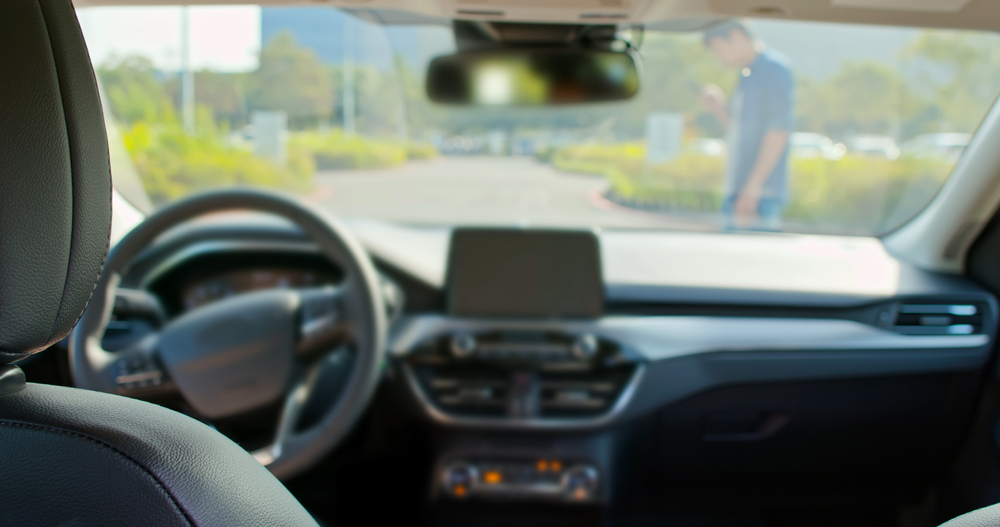
After a crash, focus on your safety first. Then protect evidence that may help show what happened.
Vehicle data and system records may help show what happened before the crash. See our guide on documenting the accident scene for more steps. You can also learn how to deal with insurance adjusters after a crash.
Responsibility depends on the facts. The driver, manufacturer, software developer, fleet operator, or other parties may share fault.
Yes. A manufacturer may be responsible if a defect in the vehicle contributed to the accident under Louisiana product liability law.
Yes. Most current systems require drivers to monitor the road and take control when necessary.
Vehicle logs, sensor data, software records, dashcam footage, and driver monitoring data may help show what happened.
For many crashes on or after July 1, 2024, you generally have two years from the date of injury to file a lawsuit.
AI vehicle crashes can involve complicated questions about technology, evidence, and fault. The sooner you preserve the facts, the easier it may be to understand what happened.
At Charbonnet Law Firm, our attorneys help injured people across Louisiana understand their rights after serious accidents. If an automated system was involved in your crash, contact our team to discuss your options. Call (504) 888-2227 for a free consultation.
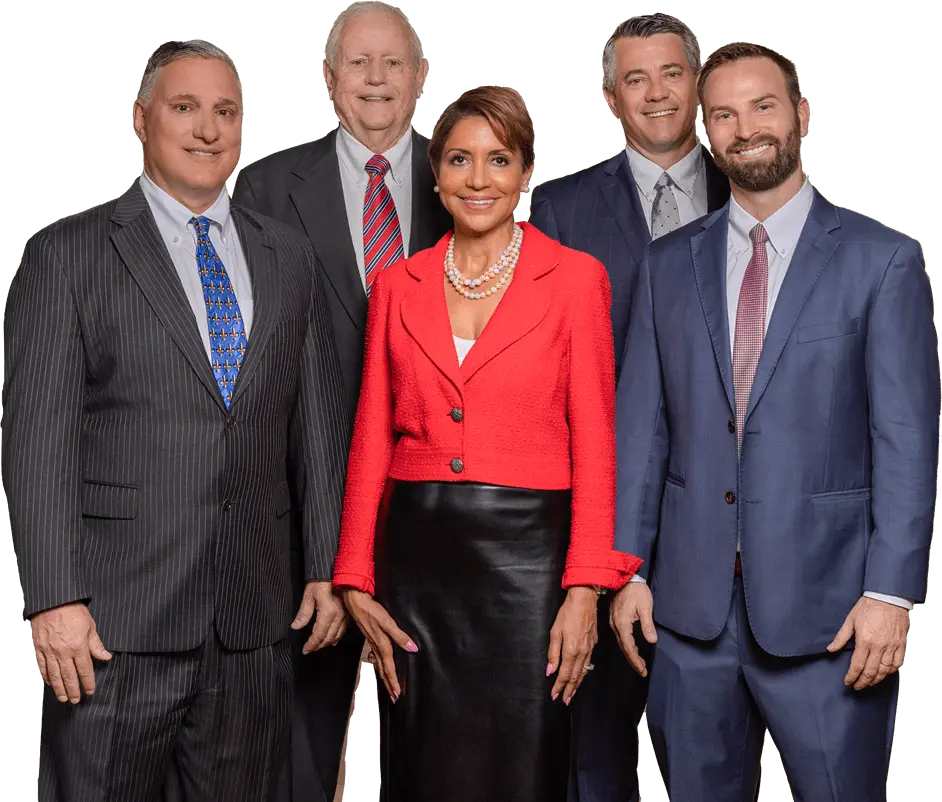
With over 50 years of legal experience serving families in the New Orleans area and surrounding Louisiana communities, our firm takes pride in providing clients with personalized legal services tailored to individual needs.