Partner at Charbonnet Law Firm LLC
Practice Areas: Car Accident, Slip-and-Fall, Work-related Injury
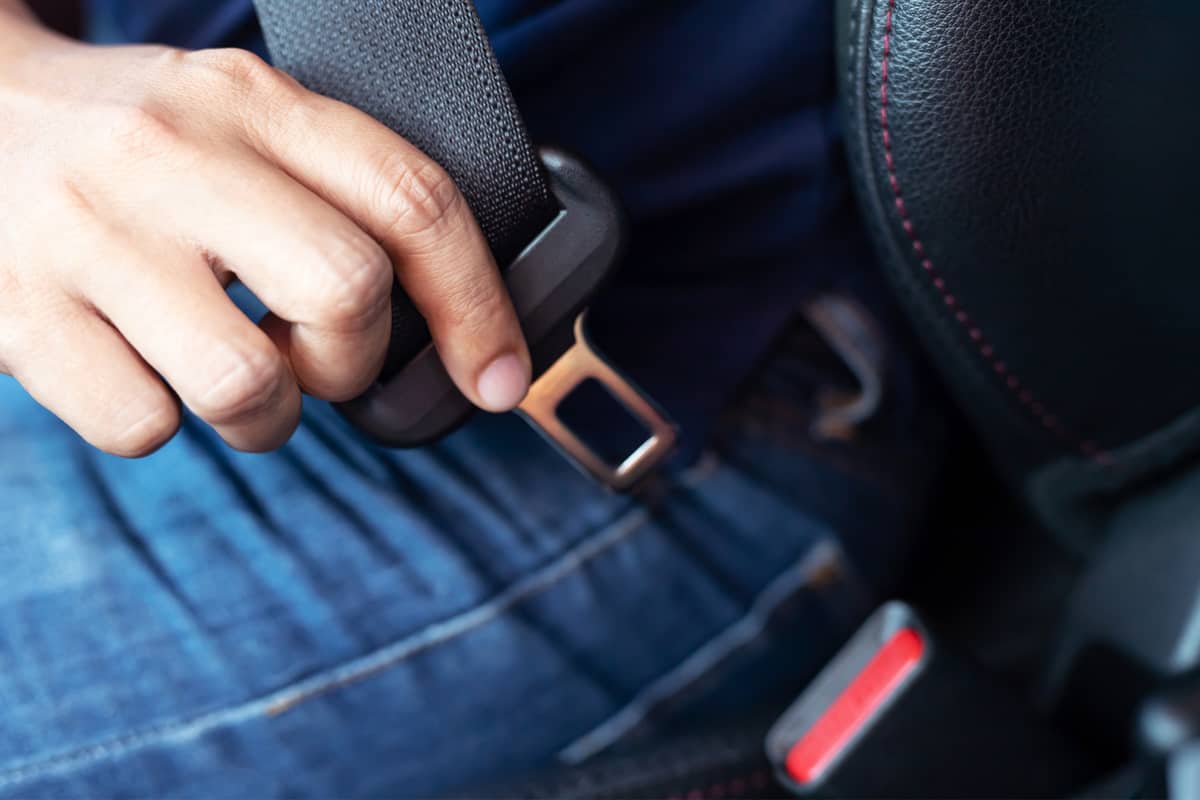
A seat belt can make a big difference in a crash, but what happens legally when you were not wearing one? Louisiana has specific rules about how seat belt use can be discussed in a car accident case. A car crash lawyer in New Orleans can help you understand how those rules may affect your claim.
This guide explains what happens when you are not wearing a seat belt, how fault may affect your claim, and what compensation you may still be able to recover.
Yes. Not wearing a seat belt does not automatically take away your right to seek compensation after a Louisiana car accident. If another driver caused the crash, you can still make a claim for your injuries and other losses.
Seat belt use can still come up in the case. Louisiana changed its law in 2021, allowing evidence that a person was not wearing a seat belt to be used in a civil case. So, while the other driver’s actions caused the crash, the seat belt issue may still affect how the injuries are viewed.
Before January 1, 2021, Louisiana law did not allow evidence of a person’s failure to wear a seat belt in a civil case. The Civil Justice Reform Act of 2020 removed that rule, so seat belt use can now be considered for relevant issues, including comparative fault.
That does not mean you automatically lose part of your claim because you were unbelted. The other side must show that not wearing the seat belt actually contributed to the injuries you suffered. This may require evidence or expert testimony showing that a seat belt would have reduced those injuries.
Being unbelted does not prove that a seat belt would have prevented or reduced your injuries. That connection still has to be shown.

Louisiana reduces your compensation based on your share of fault. For crashes on or after January 1, 2026, you generally cannot recover if you are 51% or more at fault. At 50% or less, your payment is reduced by your share of fault. Louisiana Civil Code Article 2323 explains the rule.
This can include a seat belt issue. If your damages are $100,000 and you are found 20% at fault because you were not wearing a seat belt, you could recover $80,000. The other side must show that not wearing the seat belt contributed to your injuries.
Not wearing a seat belt does not change what you need to prove. You still need to show that the other driver caused the crash and that the crash caused your injuries and losses. Our guide on who is liable for a car accident explains how fault is decided.
Your records can help prove your case. Keep photos, the police report, medical records, and witness information. Our guide to documenting the accident scene explains what to collect.
You may be able to recover different types of damages after a car accident. The table below shows what each category covers and how not using a seat belt may affect it.
|
Damages category |
What it covers |
Affected by seat belt non-use? |
| Economic | Medical bills, lost wages, future care, and out-of-pocket costs | May be reduced by proven fault |
| Non-economic | Pain and suffering, mental anguish, scarring, and loss of enjoyment of life | May be reduced by proven fault |
| Punitive | Rare damages allowed only in certain cases, such as certain drunk-driving crashes | Not automatically barred by seat belt non-use |

An insurer may argue that not wearing a seat belt made your injuries worse. It may use this to argue that you should share some of the fault for your injuries.
But simply showing that you were not wearing a seat belt is not enough. The insurer must show that the lack of a seat belt contributed to the injuries you suffered.
The seat belt issue does not erase the other driver’s responsibility for causing the crash.
If the issue comes up during your claim, be careful when speaking with the adjuster. Learn more about dealing with the insurance adjuster.
Seat belt non-use does not automatically prevent compensation when another driver caused the crash. You may still recover damages for your injuries and losses.
Since January 1, 2021, Louisiana courts can consider evidence that someone was not wearing a seat belt when it is relevant to the case.
Your compensation may be reduced if the defense proves that not wearing a seat belt contributed to your injuries. The reduction depends on your assigned fault.
Your claim may include medical expenses, lost wages, future care, pain and suffering, and other losses caused by the crash and resulting injuries.
For crashes on or after July 1, 2024, Louisiana generally gives you two years from the date of injury to file a lawsuit.
If you were hurt by another driver and were not wearing a seat belt, the worst mistake is assuming the claim is not worth pursuing. Louisiana law still lets you recover, and the rules around the seat belt are narrower than an insurer will admit. Knowing where you actually stand costs you nothing.
At Charbonnet Law Firm, we have represented injured people across New Orleans for three generations, and we know how to keep a seat belt argument in its place while we pursue full compensation for your injuries.
The consultation is free, and the two-year deadline means there is real value in calling early. Reach us at (504) 888-2227 to talk through your crash and your options.

With over 50 years of legal experience serving families in the New Orleans area and surrounding Louisiana communities, our firm takes pride in providing clients with personalized legal services tailored to individual needs.