Partner at Charbonnet Law Firm LLC
Practice Areas: Life Insurance Disputes
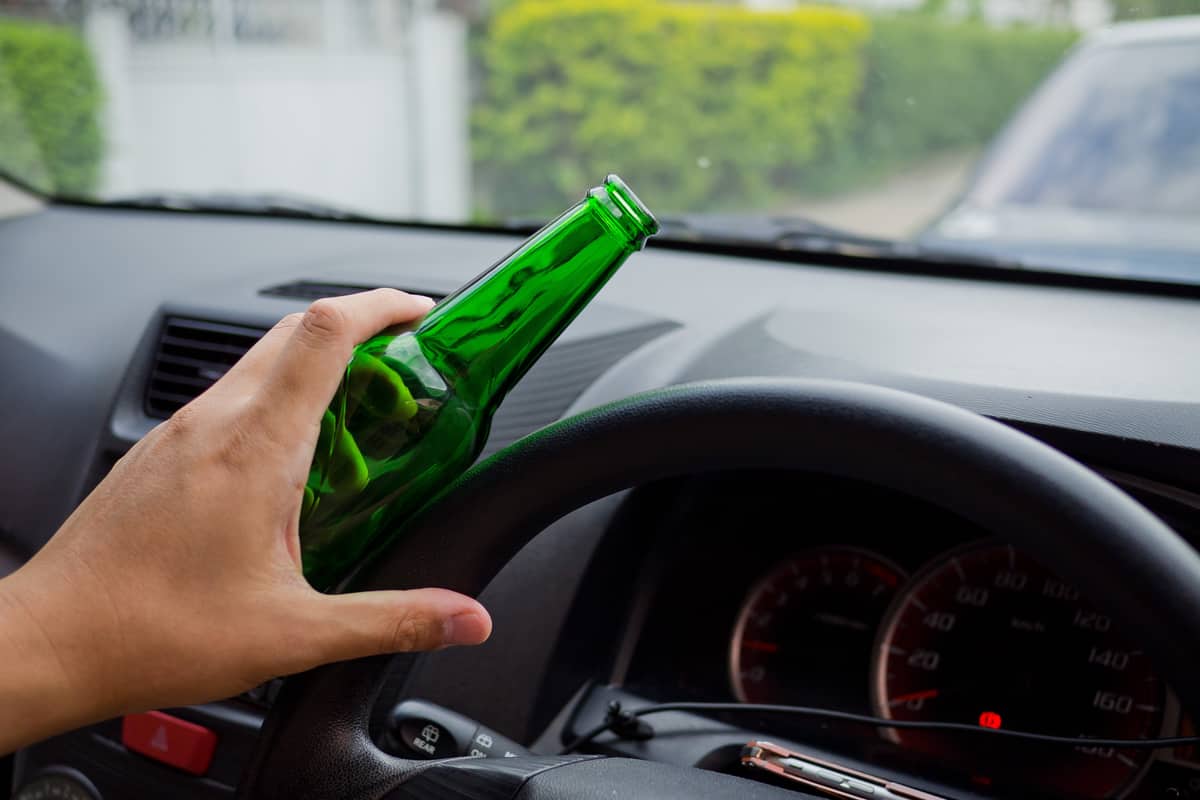
When an intoxicated driver causes a serious crash, most people focus first on medical care and the immediate after effects. But once the dust settles, another question often comes up: can punitive damages be awarded for this kind of reckless behavior? Louisiana treats punitive damages differently than most states, so the answer isn’t always obvious.
People looking for basic clarity usually want simple explanations about how these damages work and what courts look for in intoxication-related cases. These are the same types of questions a New Orleans car accident lawyer might help someone understand in an everyday legal discussion, and having that knowledge upfront makes the topic far easier to navigate.
This guide explains what punitive damages are, why Louisiana limits them, and the specific circumstances where they may apply after an alcohol- or drug-impaired crash.
Punitive damages are different from compensatory damages. Compensatory damages help someone recover from losses like medical bills or missed work. Punitive damages focus on punishing dangerous behavior and discouraging it in the future.
Louisiana rarely awards punitive damages, because the law only allows them in specific situations. One of the clearest exceptions is when someone causes an accident while intoxicated and their behavior shows reckless disregard for others.
Louisiana generally prohibits punitive damages unless a statute specifically authorizes them.
Most states allow punitive damages more broadly, but Louisiana requires strict proof and clear statutory authority.
Punitive damages in Louisiana only apply when very specific conditions are met. Courts look closely at three main factors before considering them.
Impairment can come from alcohol, illegal substances, or prescription drugs that reduce judgment, coordination, or reaction time.
There must be a clear connection between the driver’s impairment and the collision, not just proof that the driver had consumed something.
Louisiana courts review actions such as extreme speeding, weaving between lanes, ignoring signs, or choosing to drive despite obvious impairment.
Punitive damages are different from ordinary compensation. They are meant to respond to conduct the law views as especially dangerous, not to make up for financial losses.
Because punitive damages are not automatic, evidence plays a major role. Courts want clear proof of impairment, reckless behavior, and a direct link to the injuries.
Common forms of evidence include:
In claims involving intoxication, courts require strong evidence that impairment directly caused the injuries rather than merely being present.
These points help build a clearer understanding of how courts evaluate whether reckless disregard occurred.
Louisiana courts analyze several factors before determining whether punitive damages are appropriate:
Courts do not award punitive damages often. They look for clear evidence that the driver’s impairment directly caused the crash and that the behavior went beyond ordinary negligence. Actions like excessive speeding, ignoring signals, or showing obvious disregard for safety can all influence the court’s decision.
If someone wants general clarity on how these rules work in Louisiana, a New Orleans personal injury lawyer can help explain how evidence and driver conduct are evaluated in these cases.
Louisiana also recognizes a test for cases involving more than one state. Punitive damages may apply if at least two of these conditions are met:
This rule is not commonly discussed in competitor articles, but it helps readers understand how interstate claims may be handled.
|
Type of Evidence |
What It Shows |
Why It Matters |
| Police reports | Officer observations | Establishes early proof of impairment |
| BAC or toxicology tests | Level of intoxication | Helps show reckless disregard |
| Field sobriety tests | Driver’s physical condition | Indicates impaired control |
| Witness statements | Driving behavior or signs of impairment | Supports causation |
| Photos or videos | Road scene or behavior | Illustrates patterns or hazards |
| Surveillance footage | Real-time actions | Helps demonstrate reckless conduct |
| Receipts | Recent alcohol purchases | Supports timeline of impairment |
| Social media posts | Pre-crash behavior | Shows context or intent |
Punitive damages are not easy to obtain.
Challenges may include:
These challenges do not prevent someone from pursuing a claim but show why the process requires careful evaluation.
These examples are hypothetical and not based on any real case:
These scenarios help readers understand behaviors courts may examine.
No. They apply only when clear evidence shows the driver was intoxicated, acted recklessly, and directly caused the injuries.
No. Courts evaluate the driver’s overall impairment and behavior rather than relying on a single blood alcohol number.
Yes. Louisiana allows punitive damages when a driver is impaired by alcohol, illegal drugs, or medications that affect judgment and control.
No. Criminal convictions and civil punitive damages are separate. The civil case still requires proof of impairment, recklessness, and causation.
Louisiana has no general cap on punitive damages, but specific statutory rules and requirements still determine how and when they may apply.
Punitive damages in Louisiana are allowed only in limited situations, and intoxication-related accidents are one of those exceptions. To qualify, there must be strong proof of impairment, reckless behavior, and a direct link to the injuries. Understanding these requirements helps individuals better navigate how the law handles intoxicated driving and civil responsibility.
If you or someone you know has been injured by an intoxicated driver and wants to understand how Louisiana law approaches punitive damages, Charbonnet Law Firm, LLC can explain your options and answer your questions. The firm offers free consultations and provides clear guidance based on the circumstances of each situation
With over 50 years of legal experience serving families in the New Orleans area and surrounding Louisiana communities, our firm takes pride in providing clients with personalized legal services tailored to individual needs.