Partner at Charbonnet Law Firm LLC
Practice Areas: Car Accident, Slip-and-Fall, Work-related Injury
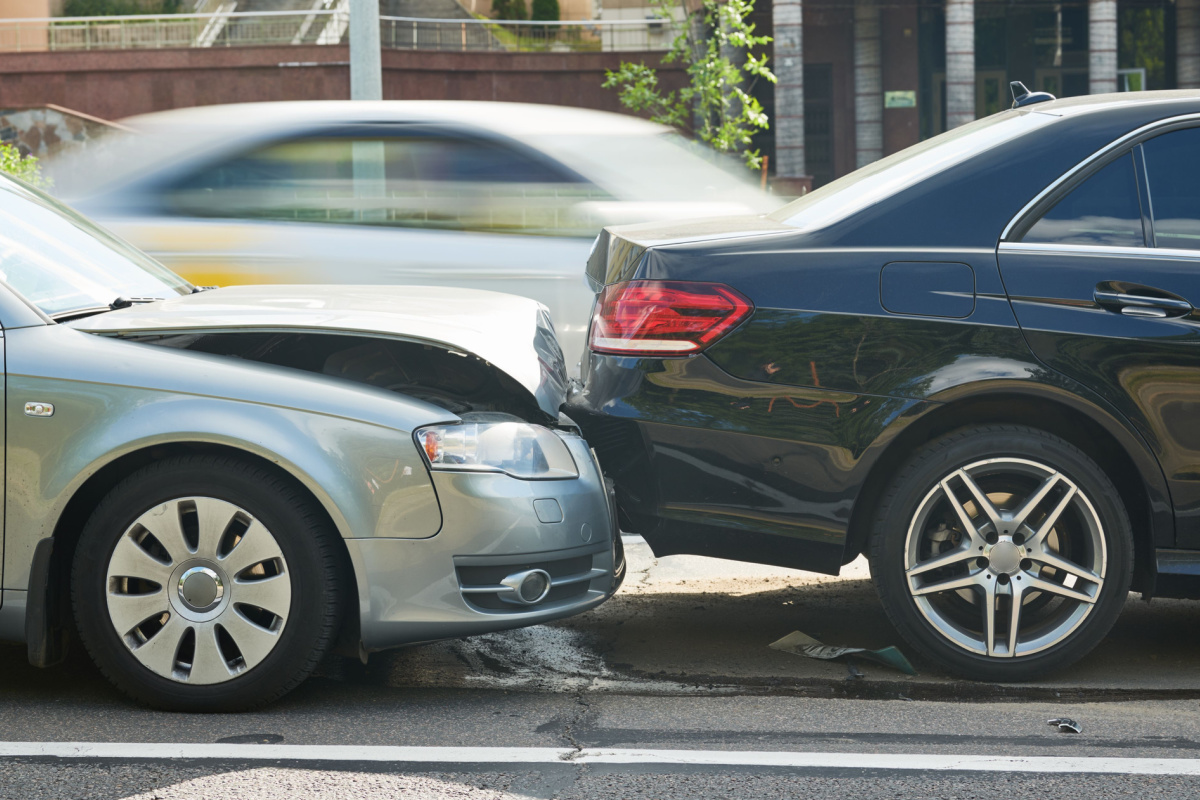
The seconds after a crash on Claiborne or I-10 can feel like a blur. Your heart is racing, another driver is walking toward you, and you are trying to figure out what to do first. Feeling hurt, shaken, or unsure is normal. The following steps are simpler when you know the order.
The steps mentioned below are the same ones a New Orleans car accident lawyer would usually give you early on, like get to safety, call for help, record what happened, and protect your health before blame starts being assigned.
This guide covers what to do at the scene, when Louisiana requires a crash report, how fault works here, including the 2026 rule change, and the deadline that determines whether you can recover anything.
In the first few minutes, your job is small and specific: make sure nobody is in danger, call for help, and start a record. Check upon yourself and your passengers for injuries, move drivable cars out of moving traffic if it is safe to do so, and call 911 right away if anyone is hurt or the scene is unsafe.
Stay at the scene. Everything else (insurance, fault, repairs) comes later. One warning belongs at the top: leaving the scene of an injury crash is a crime in Louisiana, not a shortcut, so however rattled you are, do not drive off.
Before anything else, look after people. Check yourself, then your passengers, then the occupants of the other vehicle if you can reach them safely. If someone is unconscious, bleeding, or complaining of neck or back pain, leave them where they are unless there is a fire or another immediate danger, and tell the 911 dispatcher exactly what you see.
Adrenaline is a powerful painkiller that can mask a serious injury for an hour or more, so do not let “I feel okay” decide whether you call for help.
Once people are accounted for, think about the cars. A vehicle stalled in a live lane on a road like Carrollton or the Pontchartrain Expressway is a danger to everyone, so move it if it is drivable and the move is safe; if it is not, get behind a barrier and wait.
Call 911 whenever there are injuries, a death, or significant damage, or whenever the scene feels unsafe. Inside the city, the New Orleans Police Department (NOPD) is the agency that responds and prepares the crash report. For a non-emergency situation with no injuries, call NOPD at (504) 821-2222. A responding officer and an official report can provide your claim with a balanced, dated record of exactly what happened.
Why does that record matter? Because memories fade, and an officer’s report captures the scene while it is still fresh: vehicle positions, driver statements, and sometimes the officer’s view of who failed to yield. If police respond, get the officer’s name and badge number. When in doubt, call.
Louisiana law (La. R.S. 32:398) requires the driver of a vehicle involved in a crash to immediately notify police if the accident causes injury, death, or property damage of at least $500. In New Orleans, that immediate report goes to the NOPD. This reporting duty is its own obligation, separate from the deadline to file a lawsuit (covered further down).
“The driver of a vehicle involved in a crash resulting in injury to or death of any person or property damage in excess of five hundred dollars shall… immediately give notice of the crash to the local police department.” — La. R.S. 32:398
You can read the statute in full on the Louisiana legislature’s site here. The takeaway is simple. When something serious happens on the road, get the police involved and get it on the record, because skipping that step can mean a fine and almost always makes an insurance claim harder to prove later.

If you are physically able, gather two kinds of information: what you trade with the other driver, and what you record yourself. Exchange names, phone numbers, driver’s license numbers, license plates, and insurance and policy numbers, then build your own file, because the other driver’s account and yours will not always match.
Use your phone. Photograph every vehicle from several angles, the damage up close, the wider scene (signals, signs, skid marks, debris), and any visible injuries. If you are not sure what to capture, our guide to documenting the accident scene breaks down exactly what to shoot and why. Witnesses disappear fast, so if anyone saw what happened, ask for a name and number before they drive off.
See a doctor promptly after any meaningful crash, even if you walked away feeling fine. Some of the most common car-accident injuries (whiplash, concussions, soft-tissue damage, internal bleeding) do not announce themselves at the scene. Symptoms can surface hours or days later, by which point the connection between the crash and your pain has started to blur.
There is another reason to see a doctor, even if you feel okay. An immediate visit ensures a medical record close to the crash, and that record helps tie your injuries to the collision if the insurer later claims they came from somewhere else.
Wait three weeks, and the adjuster will use that gap against you. Get checked, then keep every bill and discharge note.
Before January 1, 2026, Louisiana followed a pure comparative fault. You could recover your damages reduced by your own share of fault, even if you were mostly to blame. Someone who is 80% at fault could still recover 20% of their damages.
For crashes on or after January 1, 2026, Louisiana switched to modified comparative fault with a 51% bar, under article 2323 as amended by HB 431 (2025), and now there is a hard cutoff: if you are found 51% or more at fault, you recover nothing, while if your share is 50% or less, you still recover, reduced by that percentage.
Here is the math on a single set of facts. Say your damages come to $100,000, and you are found 30% at fault. Under either version of the law, you recover $70,000, because 30% is below the cutoff.
Now move the same crash to on or after January 1, 2026, and suppose the jury puts you at 55% at fault. Under the new 51% bar, your recovery is $0. The injuries are identical; the date and the fault split decide everything.
No. Louisiana is an at-fault state, so there is no PIP or no-fault system. Your claim usually runs against the driver who caused the crash and that driver’s insurer, not your own policy paying first regardless of blame. If you are used to a no-fault state, know the difference before you file anything.
So the other driver’s insurance is your first stop. But a lot of Louisiana drivers carry too little coverage, or none, which is where your own uninsured/underinsured motorist coverage can fill the gap. It is optional coverage your insurer has to offer you, and after a crash with an uninsured driver, it can make all the difference.
There are two clocks, and people constantly mix them up. The first is the immediate duty to report the crash to police (covered above), which is a matter of hours, not years. The second is the deadline to file an injury lawsuit, known as the prescription in Louisiana.
For crashes on or after July 1, 2024, you have two years from the date of injury to file suit, under La. Civ. Code article 3493.1. For crashes before that date, the old one-year deadline applies.
That two-year window, explained in our piece on Louisiana’s two-year filing deadline, sounds like a lot of time. It is not, once you are deep in treatment and back-and-forth with an adjuster.
Miss it, and a court will almost certainly throw the case out, no matter how strong it was (you can review the prescription article on the legislature’s site). When in doubt about which deadline applies, ask early rather than late.
A few common missteps can quietly shrink or sink an otherwise solid claim, and most of them happen in the first day or two, before anyone has had time to think clearly, which is exactly why it helps to know them in advance. Keep this short list in mind.

If NOPD responds, the department writes and holds the crash report, and you can request a copy once it has been filed. To pull it, you will generally need the date and location of the crash and, if you have it, the report or item number the officer gave you. Reports are not available the same day. Allow some time for the paperwork to clear before you ask.
You can request a New Orleans police report through NOPD’s records process, and the city’s official information lives on the NOPD pages at nola.gov. Read your copy carefully, because errors in a crash report do happen and are easier to fix sooner than later.
| Step | Action | Why It Matters |
| 1 | Check for injuries and get to safety | Prevents further harm and a second collision |
| 2 | Call 911 / NOPD | Creates an official, dated report of the crash |
| 3 | Exchange and collect information | Supports your insurance and injury claim |
| 4 | Photograph everything | Preserves evidence before the scene clears |
| 5 | Seek medical care promptly | Documents injuries and ties them to the crash |
| 6 | Notify your insurer (stick to facts) | Starts your claim without guessing at fault |
| 7 | Note the deadline to file | Two years for most crashes since July 1, 2024 |
Look for injuries, move to safety if it is safe to do so, and call 911 if anyone is hurt or the scene is unsafe. Then stay at the scene, exchange information, photograph everything, and get medical care promptly, even if you feel fine.
Yes, if the crash involves injury, death, or property damage of roughly $500 or more. Louisiana law (La. R.S. 32:398) requires the driver to immediately notify police, which, inside the city, means NOPD. A report also gives you a neutral record for your claim.
These are two separate clocks. The duty to report a serious crash to the police is immediate. The deadline to file an injury lawsuit is two years from the date of injury for crashes on or after July 1, 2024 (one year before that date), under La. Civ. Code article 3493.1.
Exchange names, phone numbers, driver’s license numbers, license plates, and insurance and policy details with every driver. Then build your own record: photos of the vehicles, damage, and any injuries, plus the names and numbers of any witnesses before they leave.
Louisiana assigns each party a percentage of fault under Civil Code article 2323. For crashes before January 1, 2026, pure comparative fault applied, so you could recover reduced by your share even if mostly at fault. For crashes on or after January 1, 2026, a 51% bar applies: at 51% or more fault, you recover nothing, and at 50% or less, you recover reduced by your share.
As soon as possible, even if you feel fine. Injuries like whiplash, concussions, and internal trauma can take hours or days to surface, and adrenaline often masks pain at the scene. Early treatment also creates a record that ties your injuries to the crash.
No two crashes are the same, and the worst time to learn how Louisiana’s fault and deadline rules apply to yours is after the two-year window has closed. If you have questions about who was at fault or what to do next, talking it through early costs you nothing.
At Charbonnet Law Firm, our attorneys have represented injured people across New Orleans for three generations. The consultation is free, so if you are weighing what to do after a crash, there is no cost to getting a clear answer early. The call costs nothing. Reach us at (504) 888-2227 to talk through your crash and your options while there is still time to act.
With over 50 years of legal experience serving families in the New Orleans area and surrounding Louisiana communities, our firm takes pride in providing clients with personalized legal services tailored to individual needs.