
Partner at Charbonnet Law Firm LLC
Practice Areas: Car Accident, Slip-and-Fall, Work-related Injury

A truck crash can change your life in seconds. You may face large medical bills and months away from work. Pain or disability may also affect your home life and family.
Louisiana law may let you seek payment for each of these losses. Your claim is not limited to the bills you have already received.
Truck crash damages usually fall into two groups. Special damages cover money you lost or had to spend. General damages cover pain and other personal harm. In some drunk-driving cases, exemplary damages may also be available.
A new Louisiana rule took effect on January 1, 2026. It changed how some past medical bills are counted. This guide explains what you may claim and how you can prove it.
Special damages have a clear dollar value. Bills, pay records, and expert reports can help prove them.
Past medical costs may include:
Future medical costs cover care you may need later. This may include another surgery, long-term therapy, medical equipment, home changes, or daily help. Doctors can explain why the care is needed. A life-care planner can estimate how much it may cost.
Lost wages cover income you have already missed. Pay stubs, tax returns, and employer records can show this loss. Lost earning capacity is different. It looks at your ability to earn money in the years ahead. A serious injury may force you to change jobs or work fewer hours. An economist or job expert can measure that loss.
You may also claim the cost of vehicle repairs, towing, storage, and a rental car. Other reasonable costs caused by the crash may also be included.
Not every loss comes with a receipt. General damages may cover:
A spouse or another qualified family member may have a separate loss of consortium claim. It can cover lost companionship, care, support, and help at home.
There is no set formula for these damages. Medical records can show the type and length of an injury. Family members, coworkers, and doctors can explain how it changed your daily life.
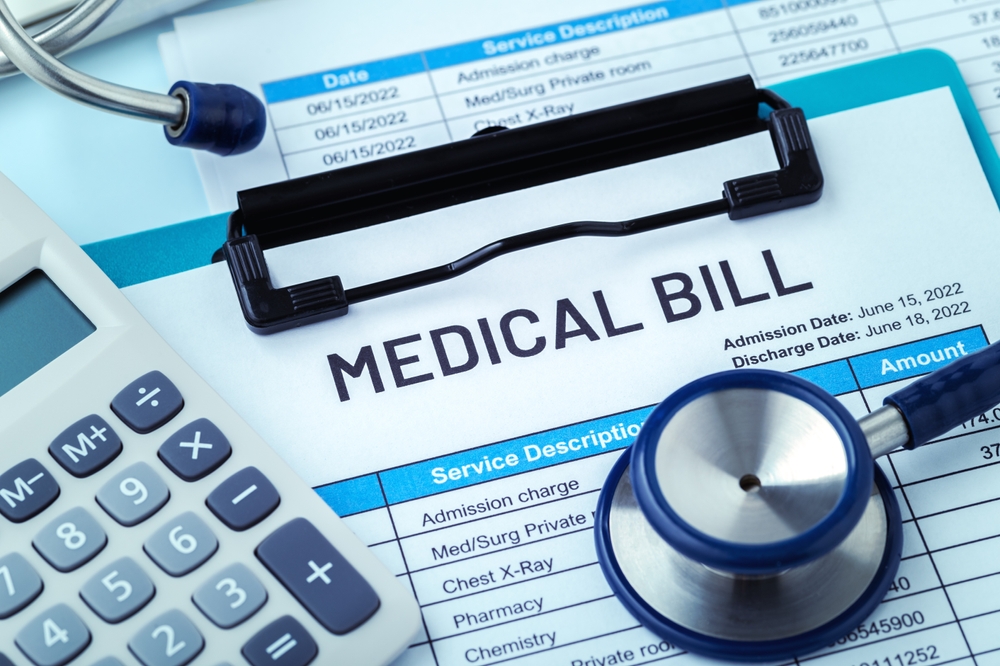
Louisiana changed the way some past medical bills are valued. The change applies to claims filed on or after January 1, 2026.
In many cases, the claim is now based on the amount actually paid by insurance, Medicare, or Medicaid. It may also include deductibles, copays, coinsurance, and other costs paid by the injured person.
The old 40% add-on was removed. That add-on covered part of the gap between the amount billed and the amount paid. A judge or jury may now see both amounts.
A lower rate arranged with a medical provider may be handled in the same way. The rule affects past medical bills. It does not limit future care, lost income, pain, or other losses.
|
Damage category |
What it covers |
Common proof |
| Past medical costs | Care already received | Bills and payment records |
| Future medical costs | Later surgery, therapy, or care | Doctors and a life-care plan |
| Lost wages | Income already missed | Pay records and tax returns |
| Lost earning capacity | Lower ability to earn in the future | Job and economic reports |
| Pain and mental distress | Physical and emotional harm | Records and testimony |
| Disability and scars | Lasting injury or changes in appearance | Photos and medical opinions |
| Loss of consortium | Harm to family life | Family testimony |
| Exemplary damages | Reckless acts by an intoxicated driver | Proof of intoxication and crash records |
Truck crashes may involve larger insurance policies than ordinary car crashes. Federal rules often require at least $750,000 in public liability coverage for many interstate carriers. This applies to many trucks that weigh more than 10,000 pounds. Trucks carrying some dangerous cargo may need $1 million or $5 million in coverage.
A trucking company may carry more than the minimum. Other businesses may also share fault. These may include the driver’s employer, trailer owner, repair company, shipper, or broker.
Each business may have its own policy. Finding all responsible parties can matter when an injured person needs years of treatment or care.

Trucking companies must keep driver duty records and related papers for at least six months. Some evidence may be lost much sooner. Video may be deleted, truck data may be overwritten, and dispatch messages may be removed.
A preservation letter can ask the company to keep:
An early request gives you a better chance of saving this proof.
Louisiana uses a 51% fault rule for crashes on or after January 1, 2026. You may recover money if you are less than 51% at fault. However, your payment will drop based on your share of fault.
For example, a $1.2 million award becomes $840,000 when the injured person is 30% at fault. A person found 51% or more at fault cannot recover damages.
The filing deadline also matters. Most claims from crashes on or after July 1, 2024, must be filed within two years. An earlier crash may still have a one-year deadline.
Yes. A doctor must show that the surgery will likely be needed because of the crash. Medical records and a care plan can support the cost.
The Act applies going forward and does not cover cases filed before January 1, 2026. Both the crash and filing dates should be checked.
Louisiana allows survival and wrongful death claims. State law decides which relatives may file and which claim comes first.
It may. A private insurer, Medicare, or Medicaid may have a right to repayment. This must be reviewed before the settlement is paid.
A truck crash claim may cover more than today’s bills. It may include future care, lost income, reduced earning ability, pain, disability, and harm to family life. Some drunk-driving cases may also allow exemplary damages.
The 2026 rule changed how past medical bills are counted. Clear proof of future care and long-term harm is now even more important.
Charbonnet Law Firm, LLC has represented injured people in New Orleans since 1975. The firm handles commercial truck accident claims across southeast Louisiana. Free case reviews are available.

With over 50 years of legal experience serving families in the New Orleans area and surrounding Louisiana communities, our firm takes pride in providing clients with personalized legal services tailored to individual needs.