Partner at Charbonnet Law Firm LLC
Practice Areas: Car Accident, Personal Injury
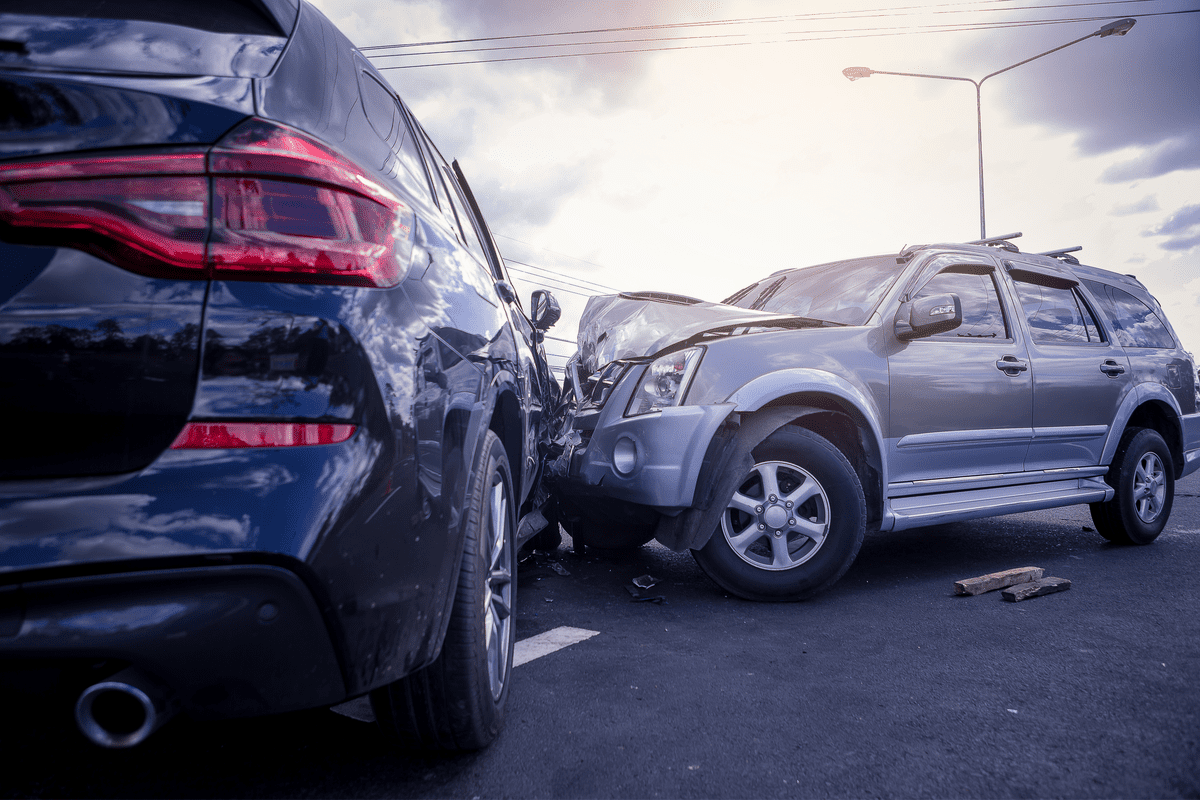
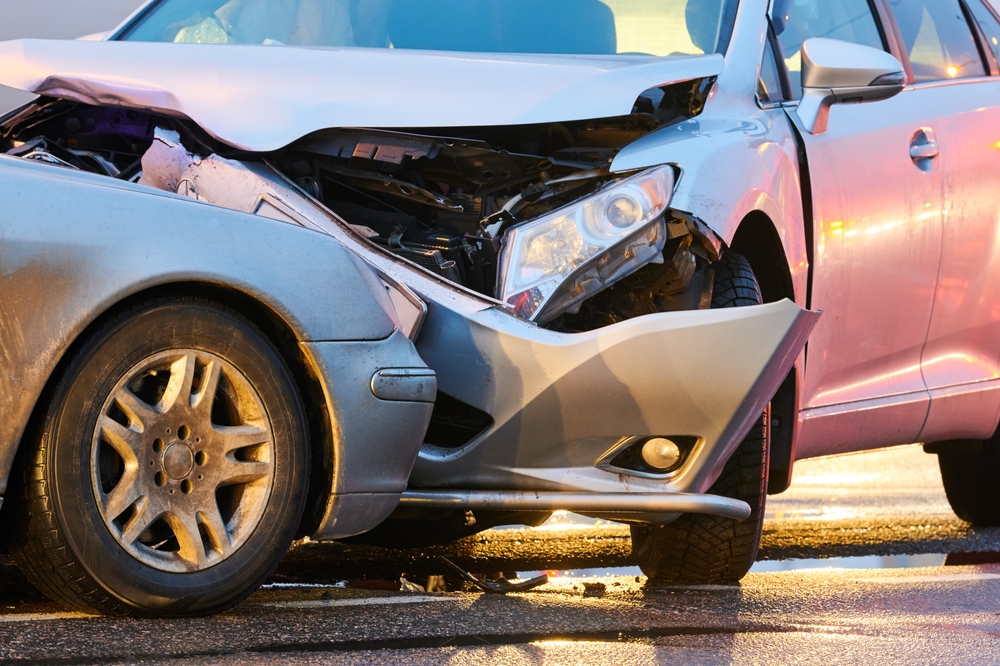
Autonomous vehicle features can now handle parts of driving, such as steering, braking, and maintaining speed. But when one of these features is involved in a crash, determining what went wrong can be more complicated than in a typical car accident.
The investigation may involve the driver, the vehicle’s systems, the software, and road conditions. Vehicle data and system records may also play an important role in understanding what happened. A New Orleans car accident lawyer can help investigate the crash and review the evidence.
This guide covers how Louisiana determines fault in these crashes, when driver negligence or product liability may apply, how fault is divided between multiple parties, and what evidence can help establish what happened.
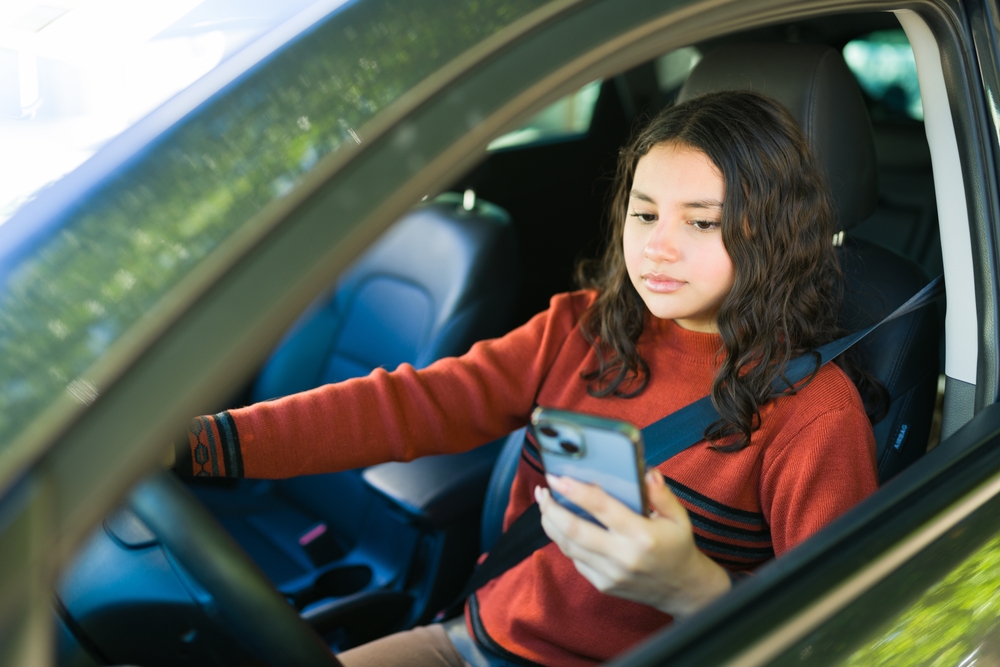
Many vehicles with automated features still require the driver to pay attention and remain ready to take control. Features like lane assistance, adaptive cruise control, and automatic braking are designed to support the driver. They are not a replacement for safe driving.
A driver may share fault if they:
For example, if a driver activates a driver-assistance feature and stops paying attention, the driver may still be responsible even if the system later fails.
Using technology does not remove the driver’s duty to operate the vehicle safely.
A manufacturer may be responsible when a problem with the vehicle or its safety features contributes to a crash. These claims are generally based on product liability laws. Under the Louisiana Products Liability Act, an injured person may have a claim if a defective product causes harm.
A manufacturer may face liability for issues such as:
| Possible Problem |
Example |
| Design defect | The system was unsafe by design |
| Manufacturing defect | A specific vehicle component failed |
| Warning failure | Drivers were not properly informed about limitations |
| Safety feature failure | The system reacted incorrectly |
The key question is whether a problem with the vehicle contributed to causing the crash.
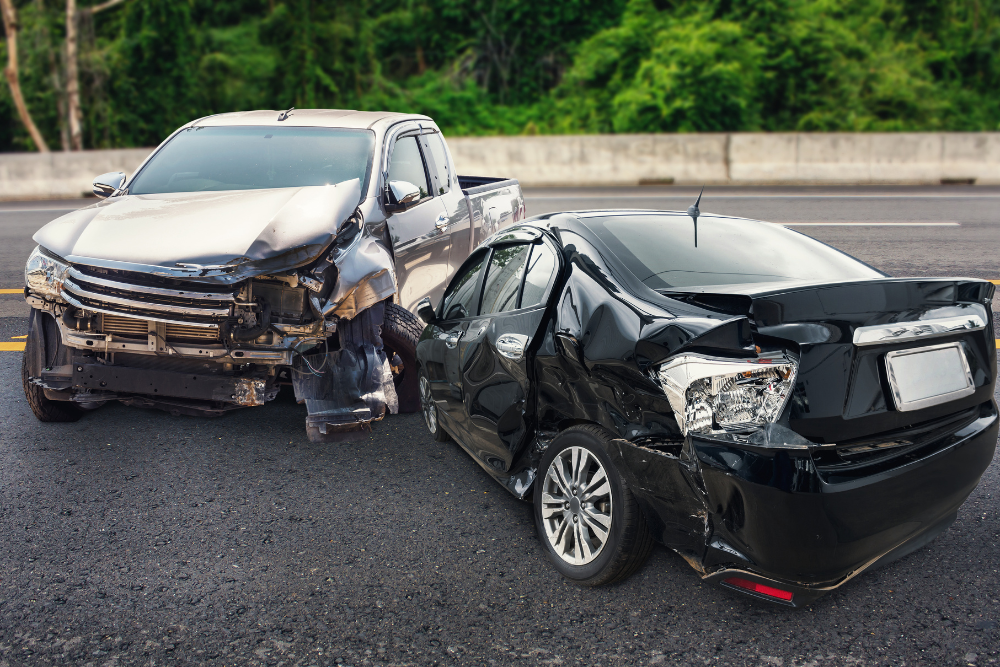
Modern vehicles rely heavily on software. A crash may happen because of a problem with how the system processes information or responds to a situation.
A software-related claim may involve:
If software played a role in causing the crash, the company responsible for that technology may become part of the investigation.
Not every autonomous vehicle crash involves only the driver or manufacturer.
Other parties may share responsibility, including:
Every case depends on the specific facts.
Louisiana can divide fault among everyone who contributed to a crash. This could include the driver, vehicle manufacturer, software company, repair provider, or another driver.
Under Louisiana Civil Code Article 2323 , each party can be assigned a percentage of fault.
For crashes on or after January 1, 2026, an injured person who is 51% or more at fault generally cannot recover damages. If they are 50% or less at fault, their compensation is reduced by their share of fault.
Autonomous vehicle crashes often involve more than what happened in the moments before impact.
Investigators may need to determine:
The answer may come from vehicle records, maintenance information, software history, and other evidence.
Louisiana has also created rules addressing autonomous vehicle operations, but those rules do not eliminate normal questions about responsibility when someone is injured.
After a crash, get medical care first. Then take steps to protect yourself and preserve evidence.
You should:
Automated vehicles can store data about system activity, warnings, and what happened before the crash. Preserving that information early may help determine what caused the accident.
No. The driver may be responsible, but fault may also involve the manufacturer, software company, repair provider, or another party depending on the cause of the crash.
Yes. A manufacturer may face a product liability claim if a defect in the vehicle or safety system contributed to the accident.
Yes. Louisiana allows fault to be divided among multiple parties who contributed to causing an injury.
No. Most driver-assistance features still require drivers to monitor the road and take control when needed.
Vehicle records, system information, maintenance records, witness statements, and crash evidence may all help determine what caused the accident.
When an automated feature is involved in a crash, finding out who is responsible may require more than reviewing the accident scene. Vehicle data, maintenance records, and other evidence may help show what happened.
At Charbonnet Law Firm, our attorneys help injured people across Louisiana after serious accidents. If an automated feature played a role in your crash, we can review the facts and discuss your legal options.
Call (504) 888-2227 for a free consultation.
With over 50 years of legal experience serving families in the New Orleans area and surrounding Louisiana communities, our firm takes pride in providing clients with personalized legal services tailored to individual needs.