james

Partner at Charbonnet Law Firm LLC

Practice Areas: Car Accident, Slip-and-Fall, Work-related Injury
Self-driving features are no longer a concept car at an auto show. They are on I-10 and the Pontchartrain Expressway right now, with Louisiana drivers leaning on systems like Tesla’s Autopilot and “Full Self-Driving (Supervised)” to handle the boring parts of a commute.

The technology is sold as safer. The problem starts when it acts in a way a human driver would not, and someone gets hurt. When that happens, a New Orleans auto accident lawyer has to ask a simple but important question: who was really driving, and what went wrong?

The answer may point to the person in the seat, the automaker, a software developer, or more than one of them.

This guide breaks down what happens when a car with autonomous features crashes, who may be at fault, and what to do if one of these systems puts you in the hospital.

Key Takeaways

  • Louisiana decides autonomous-vehicle crashes with existing negligence and product-liability law, not a separate AI statute.
  • In Level 2 systems (Autopilot, “Full Self-Driving (Supervised)”), the human driver is still expected to supervise and take over.
  • Fault can be shared among the driver, the manufacturer, and software or parts suppliers under Civil Code article 2323.
  • Federal regulators require crashes involving automated systems to be reported, and NHTSA has opened several investigations into Tesla’s features.
  • The deadline to file suit is two years for crashes on or after July 1, 2024, and a 51% fault bar applies to crashes on or after January 1, 2026.

The Rise of Autonomous Vehicle Features

Driver-assist technology has gone mainstream. Lane-keeping support, adaptive cruise control, and automatic emergency braking now ship on ordinary cars, and Tesla has pushed furthest with its Autopilot and Full Self-Driving packages. These features can genuinely help. They also fail, and they were never meant to run unsupervised.

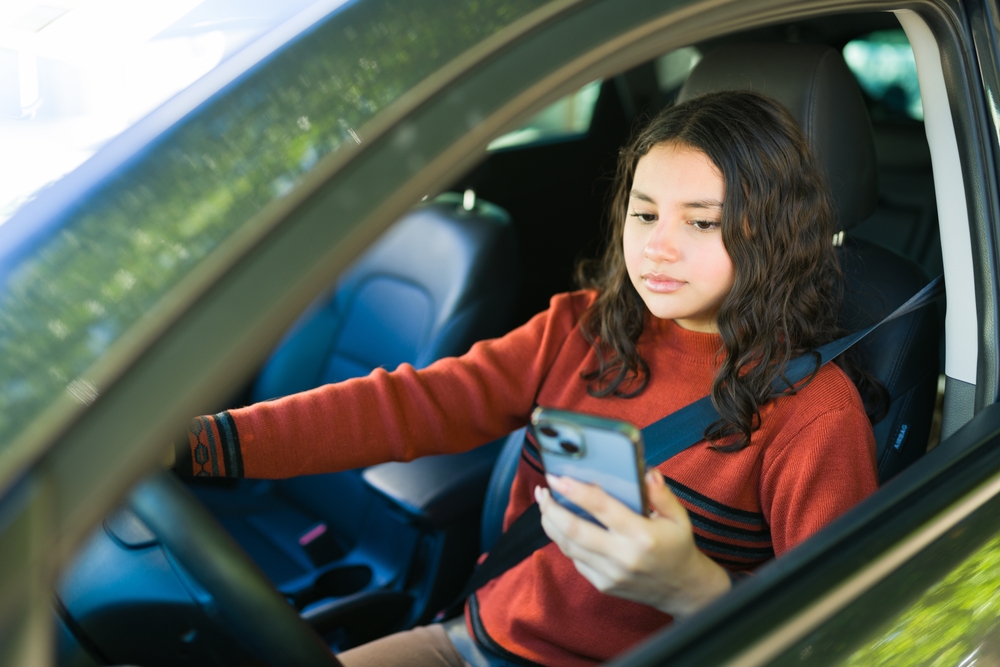
That gap (helpful, but not autonomous) is where the legal trouble lives. Drivers are still told to stay alert and ready to grab the wheel, yet many treat the system as if it were fully self-driving.

When over-reliance meets a system that incorrectly reads a scene, the result can be a serious or fatal crash that neither the marketing nor the manual prepared anyone for.

Phantom Braking and Other Failures

Phantom braking is one of the most documented problems with these systems. The car suddenly slows or slams on the brakes due to a hazard that isn’t there, often while adaptive cruise control or Autopilot is engaged. On a fast-moving highway, an unexpected stop is exactly how rear-end collisions happen.

Federal regulators took this seriously enough to investigate. In its phantom-braking probe (PE22-002), the National Highway Traffic Safety Administration looked into roughly 416,000 Tesla Model 3 and Model Y vehicles over reports of unexpected brake activation.

The point was to understand how often it happened and why. You can read more about the agency’s role at the NHTSA website.

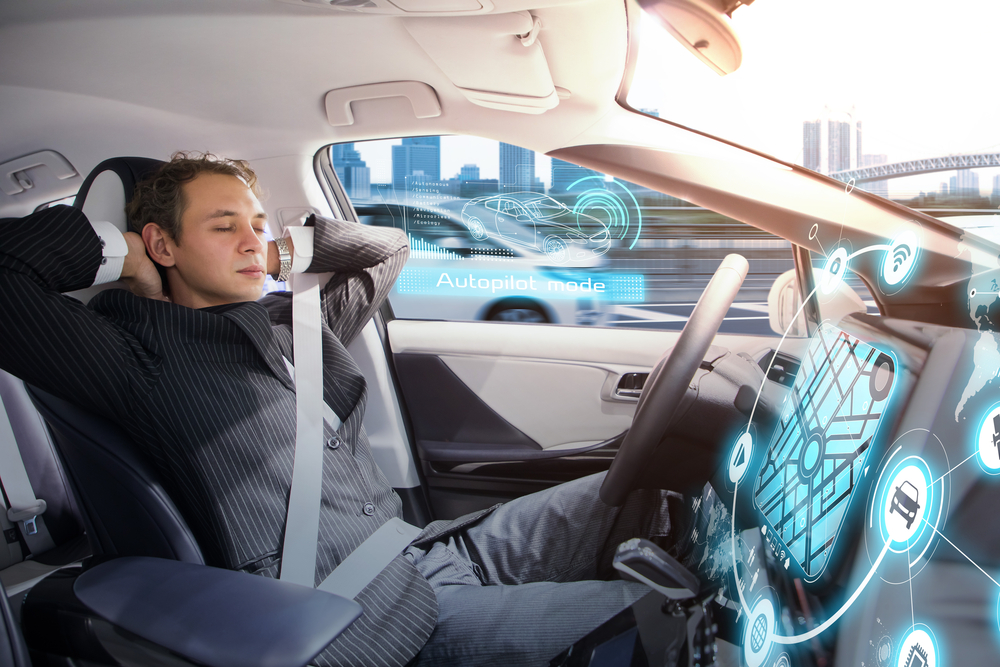
Phantom braking in autonomous car failure

When the System Fails, the Consequences Are Real

These are not abstract glitches. A car that brakes without reason, accelerates unexpectedly, or fails to register a stopped vehicle creates the same broken bones, brain injuries, and worse that any serious wreck does.

The difference is that the “driver” may have been software, which makes the case more complicated, not less.

Regulators have tied specific failures to real harm. NHTSA’s investigation into Tesla’s Full Self-Driving software covers roughly 2.4 million vehicles from the 2016 through 2024 model years, and it was opened after the agency identified crashes during low-visibility conditions, including a pedestrian fatality, while the feature was engaged.

That is the federal government, not a plaintiff’s lawyer, connecting the technology to deaths on the road.

Who Is Accountable in an Autonomous Crash?

Often more than one party. Whose fault, then? Unlike an ordinary wreck, where blame usually falls on one driver or the other, an autonomous-vehicle crash can involve several responsible parties at once, and Louisiana law is designed to divide blame among them.

The driver, the manufacturer, and a software or parts supplier can each carry a percentage.

Driver Responsibility

Even with Autopilot engaged, the driver is supposed to stay focused and set to intervene. A driver who ignores warnings, takes their hands off the wheel in violation of the system’s instructions, or fails to react to an obvious hazard can be held liable. The car driving itself is not a defense in a Level 2 vehicle.

Vehicle Manufacturer Liability

When a defect in the car’s system causes the crash (phantom braking, a steering error, a sensor that fails to see a hazard), the manufacturer can be at fault. Tesla has faced multiple lawsuits alleging that its Autopilot technology malfunctioned, and such claims fall under Louisiana’s product-liability law.

Software Developers and Parts Suppliers

Sometimes the failure isn’t the car as a whole but the code or a component inside it. When a driving algorithm misjudges a situation or a supplier’s part fails, the company responsible for that part may share the blame.

“Full Self-Driving (Supervised)” requires an attentive driver ready to take over at any time and is not a fully autonomous system. — manufacturer guidance

What the Law Says: Oversight and Crash Reporting

Regulators have hastened to keep up. In 2021, NHTSA issued a Standing General Order requiring crashes involving automated driving systems to be reported, generally within a short window, when they result in serious outcomes. The triggers include:

  • A death
  • An injury requiring medical treatment
  • Airbag deployment
  • A vehicle being towed away
  • Involvement of a pedestrian or cyclist

Failing to report can bring penalties. The federal investigations into Tesla’s features give a sense of the scale of the scrutiny.

Selected NHTSA Investigations into Tesla’s Automated Features

Investigation Opened Models Vehicles Issue
PE22-002 Feb 2022 Model 3 & Model Y ~416,000 Phantom braking
EA22-002 June 2022 Multiple models ~830,000 Autopilot crashes
FSD probe Oct 2024 Various (2016–2024) ~2.4 million FSD crashes in low visibility

The EA22-002 engineering analysis led to Tesla recalling more than 2 million vehicles in December 2023 to strengthen Autopilot’s driver-attention safeguards.

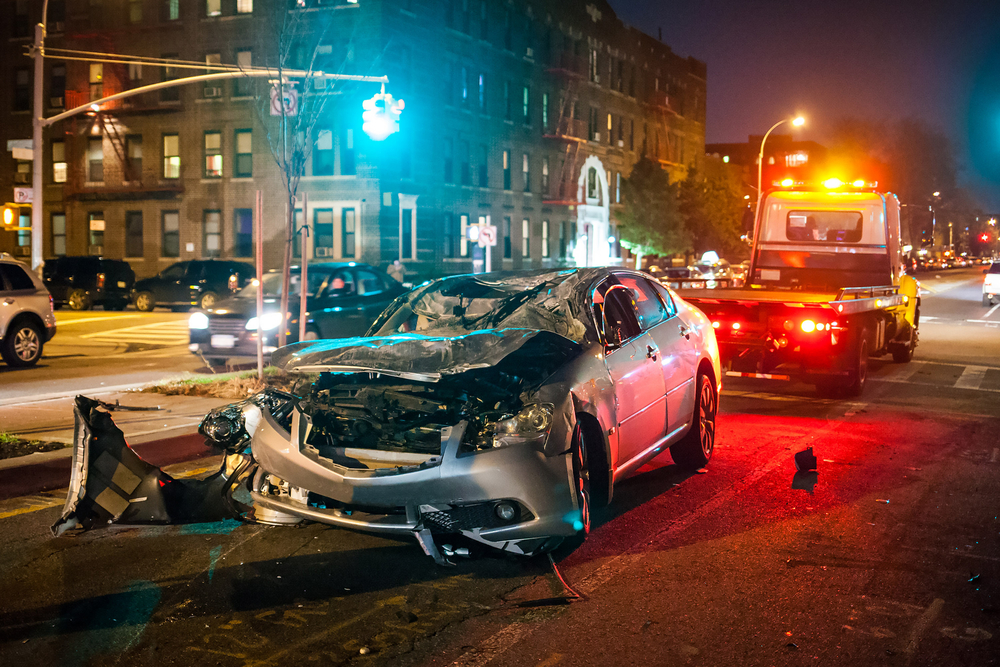
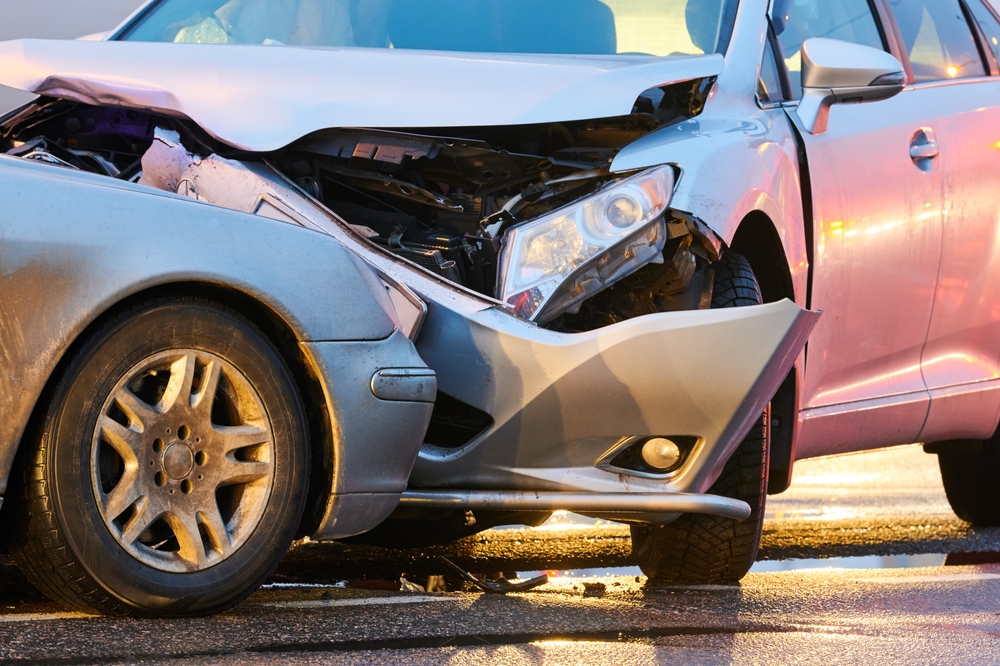
Autonomous Vehicle Crash

How Louisiana Law Handles These Crashes

Louisiana manages these crashes with the same tools used in other wrecks, plus product liability. There is no special liability code that takes over just because a car has autonomous features.

The state applies general negligence rules, divides fault by percentage, and uses the Louisiana Products Liability Act when a defect is involved.

It has defined “automated technology” in its motor-vehicle code and separately regulates autonomous commercial trucks, but a passenger-car crash is decided under the usual statutes.

Fault, Defects, and the Math

When a defect leads to a crash, a manufacturer can be liable under the Louisiana Products Liability Act for a product that was “unreasonably dangerous,” and a court still divides fault under Civil Code article 2323.

Say your damages are $300,000, the proof shows a software defect caused the crash, but you were also speeding, so the jury assigns 70% to the manufacturer and 30% to you.

You recover $210,000 after your 30% share is taken out. Move the same crash to January 1, 2026, or later, raise your fault to 55%, and the 51% bar wipes out your recovery.

What To Do After an Autonomous Vehicle Crash

Protect your health first, then focus on preserving the proof. When an automated system is involved, the evidence can disappear fast, so early steps matter more than in a routine fender bender.

  • Get a check-up and medical care, even if you feel okay, because some injuries may not show up for hours or days.
  • Take photos, get witness names, and save any dashcam or surveillance footage.
  • Report the crash to the police and your insurer, and stick to the facts.
  • Preserve the vehicle and its data before repairs, since event data logs and software history can be overwritten.

Lastly, consult a lawyer who understands how these cases work. Multiple layers of fault and technical evidence make them different from ordinary crashes, and our guide on documenting the accident scene covers what to capture before it disappears.

Frequently Asked Questions

What is phantom braking, and why is it dangerous?

Phantom braking occurs when a vehicle suddenly slows or brakes hard for a hazard that isn’t there, often while adaptive cruise control or Autopilot is engaged. It is dangerous because an unexpected stop on a fast road can lead to rear-end collisions. NHTSA has investigated hundreds of complaints about the behavior in Tesla vehicles.

Are drivers still responsible when using Autopilot or Full Self-Driving?

Yes. These are Level 2 systems that require an attentive driver ready to take over at any moment. A driver who ignores that responsibility, takes their hands off the wheel against the system’s warnings, or fails to react to a hazard can be held liable for the crash.

Can a manufacturer be liable for an autonomous-feature crash in Louisiana?

Yes. Under the Louisiana Products Liability Act, a manufacturer can be liable if the vehicle was unreasonably dangerous in design, construction, warnings, or warranty, and that defect helped cause the crash. These product-liability claims usually require technical investigation and expert examination.

What procedures should I follow after an automated-vehicle crash?

Get medical help, document the scene, save any dashcam footage, notify law enforcement, and preserve the vehicle before it is repaired so its data survives. Then speak with an attorney experienced in autonomous-vehicle cases, because the digital data that proves them can be lost quickly.

How do regulators monitor autonomous vehicle technology?

Agencies like NHTSA collect crash data, require reporting of serious incidents involving automated systems, and investigate complaints. They can order recalls and impose penalties for unsafe systems, as the Tesla investigations and the December 2023 Autopilot recall show.

How long do I have to file a claim after an autonomous-vehicle crash?

Two years from the date of injury for crashes on or after July 1, 2024, under Civil Code article 3493.1. Crashes before that date fall under the older one-year deadline. A product-liability claim against the manufacturer runs under the same period, so do not wait to examine.

Get Your Free Consultation

Talk to a New Orleans Lawyer About Your Autonomous-Vehicle Crash

Autonomous driving technology is changing the road, but it also brings new risks. A crash involving Autopilot or Full Self-Driving can raise tough questions about who is responsible, what the company knew, and what the vehicle data shows.

That evidence can disappear while you are focused on healing. At Charbonnet Law Firm, our attorneys have represented injured people across New Orleans for three generations, and consultations are free.

The fault rules changed in 2026, and the deadline to file is two years for the most recent crashes, so the sooner you call, the more options stay open. Reach us at (504) 888-2227 to talk through what happened and what comes next.

With over 50 years of legal experience serving families in the New Orleans area and surrounding Louisiana communities, our firm takes pride in providing clients with personalized legal services tailored to individual needs.

  • “I walked in as a client and walked out as a friend. If you are good at what you do, you will never need expensive ads to prove it. Good outshines the rest and in volatile times such as now always go for the good and at Charbonnet Law Firm you will be treated as humans and not just a case file. It’s my word of mouth endorsement and I approve this message.”

    A. Bajaj

  • “It’s easy to get caught up in lies. These days it’s hard to weed out good from bad. The best endorsement is what comes from people, not the lawyers’ own endorsements, paid celebrity endorsements or actors telling you they made millions. Charbonnet law firm has no expensive ads because they have happy clients. I am one of them!”

    J. Kelly

  • “If I had to sum it up in short Charbonnet Law Firm has a team that treats everyone with respect and esteem. Kindness is apparent as soon as you walk into the office, don’t be just a case number! I am not just saying it I am a client too!”

    B. Smith

  • “Best Firm in New Orleans. Great service. These guys treated me like family whenever I got in a tight situation. Clean office and great location in the Metairie area.”

    Q. Lee

SCHEDULE A FREE
Consultation

Home contact Form