Partner at Charbonnet Law Firm LLC

Practice Areas: Car Accident, Slip-and-Fall, Work-related Injury
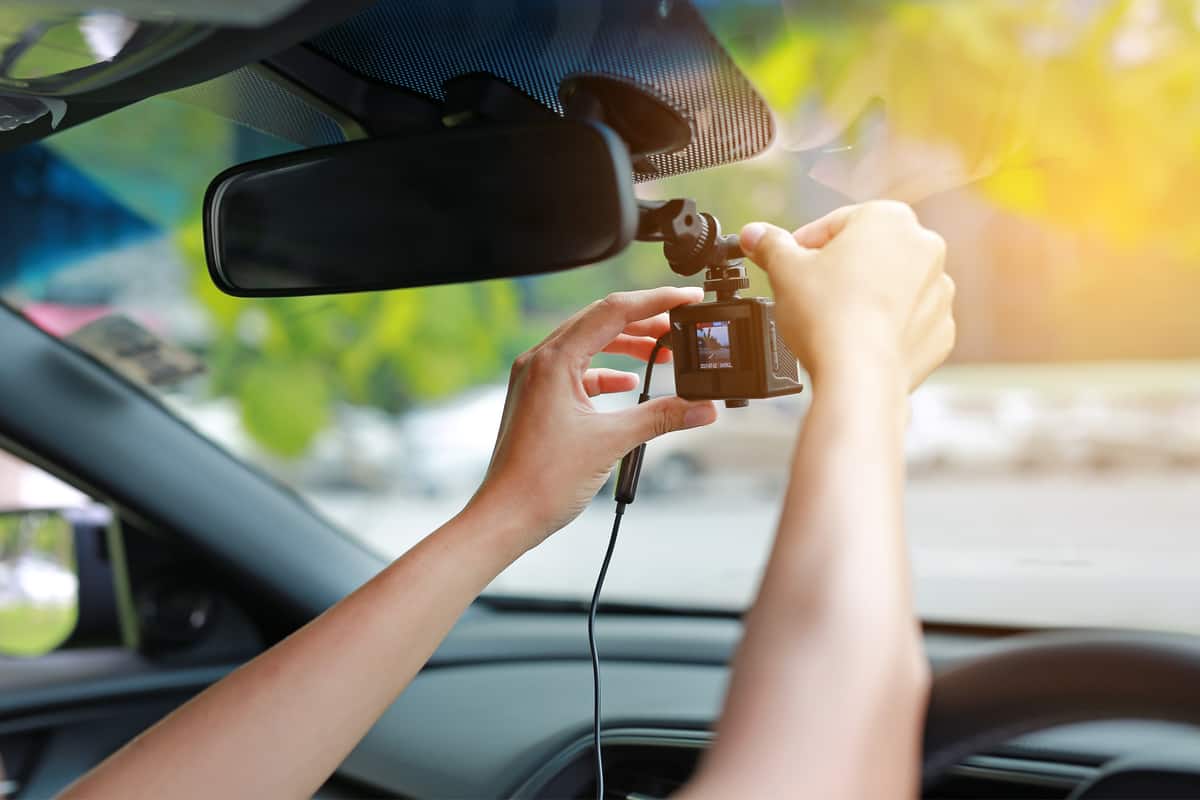
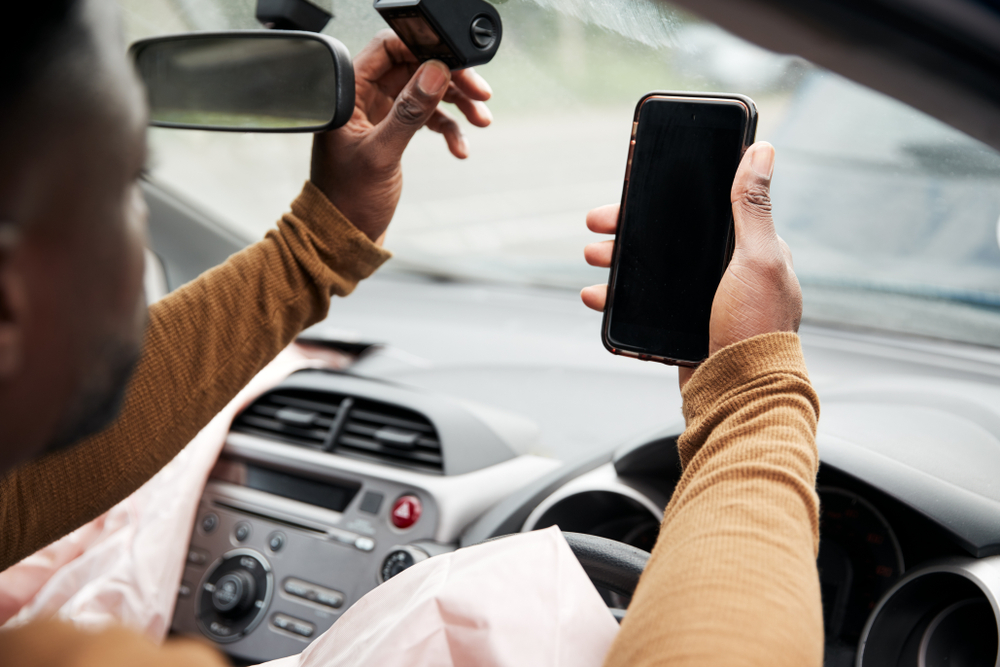
A dash cam sits quietly on your windshield for months, recording nothing you ever look at, and then one afternoon on I-10, it catches the three seconds that decide your whole case. Two drivers, two stories, and a camera that does not care who is more convincing.

In a state where the at-fault driver pays, that little clip can be the difference between a denied claim and a paid one. It can also work against you, which is the part most articles skip. The same footage a New Orleans car crash lawyer would use to pin fault on the other driver can also show you rolling a stop sign, so it is worth understanding how Louisiana actually treats this video before you assume it is on your side.

This guide explains how dash cams help to record a crash, when the footage can be used, how to preserve it correctly, and how it may affect fault under Louisiana’s 2026 regulations.

Key Takeaways

  • Dash cam video is generally legal in Louisiana and is commonly accepted as evidence in crash claims.
  • The footage can prove the other driver was at fault, or expose your own mistake, so it cuts both ways.
  • Save the clip right after the crash. Many dash cams record on a loop and can overwrite old footage.
  • Louisiana is an at-fault state with no PIP, and your crash date now affects how shared fault is handled.
  • Do not edit or trim the video. Once a file looks altered, it becomes much easier to challenge.

How Dash Cams Work and Why They Matter

A dash cam records while you are driving and saves older clips once the memory card fills up. Most front cameras show only the road ahead; dual- or multi-channel setups may also help record the cabin, rear, or sides.

Many models capture speed, GPS, and time, and some lock a clip when the impact sensor detects a hard jolt.

That metadata is often what makes the video persuasive (a stamped time and a fixed speed are hard to argue with).

Why does any of this concern a claim? Because fault in Louisiana is rarely obvious. A neutral recording of who entered the intersection first, or who drifted across the center line, can settle a dispute that would otherwise come down to two contradictory accounts and an officer’s best guess.

How dash cams help prove fault

Is Dash Cam Footage Legal and Admissible in Louisiana?

Yes, with the usual limits. Louisiana generally allows dash cams as long as they do not block your view of the road, and clear footage can be useful for insurers or in court.

The video still has to meet the basics: it should be real, unchanged, relevant, and traceable to the person or device that recorded it. Trim it or “clean it up,” and you hand the other side an easy reason to keep it out.

There is also a privacy issue with in-cabin recording, especially for rideshare drivers. Louisiana generally allows one-party consent for recorded conversations, but Uber and Lyft drivers should still tell passengers they are recording. A visible notice is the safer move.

The more uncluttered your footage and the more transparent your disclosure, the less room there is for anyone to fight over it later.

The Benefits and Risks of Using Dash Cam Footage

The upside is real. A dash cam can show exactly what happened, speed up an insurance decision, and shut down a false story before it gains traction, which matters here because someone has to be assigned fault before anyone gets paid.

Beyond a basic fault dispute, the footage can also help in a few specific situations:

  • Disputing a traffic ticket you believe was wrongly issued.
  • Documenting a road rage encounter or a hit-and-run where the other driver flees
  • Capturing a vandal or thief near a parked car with parking mode
  • Keeping an eye on a teen driver or a small fleet

Now the part nobody likes. If the clip shows you speeding, distracted, or running a light, it becomes the other insurer’s favored exhibit. Louisiana’s fault system can shrink your recovery or sink the claim.

One practical risk is memory. Many dash cams keep only a short loop and can record over the crash within hours, so any unrecorded clip may be gone before you think to use it .

What Louisiana Drivers Should Know After a Crash

Once everyone is safe and help is on the way, treat the footage like physical evidence. A simple routine can keep the footage usable:

  • Stop the recording if it is safe, so the camera does not record over the crash.
  • Save the clip and copy it to your phone, laptop, or a cloud backup service.
  • Keep the authentic file untouched. Do not crop, rotate, trim, or re-save it.
  • Share it only with your lawyer, insurer, or law enforcement.
  • Driving a Tesla or newer vehicle with built-in cameras? Save the footage right away before the system overwrites it.
  • Pull the TeslaCam clip from the USB drive or the in-car screen before it overwrites.

Whether it came from a TeslaCam or a twenty-dollar dash cam, a properly preserved video can support a claim. The same video, lost to an overwrite, helps no one.

Risks of Using Dash Cam Footage

Types of Dash Cams: Features Comparison

Type of Dash Cam Recording Extra Features Best For
Single-channel Front-facing, continuous loop Basic video capture Personal vehicles
Dual-channel Front and rear Impact sensor, night vision Daily commuters
Four-channel 360-degree coverage GPS, motion sensors, parking mode Fleet or commercial drivers

A higher channel count is not automatically better for you. More angles mean more of your own driving on record, too, so pick the coverage that fits how and where you drive.

How Footage Affects Fault Under Louisiana’s 2026 Rules

Here is where the video meets the law, and where the date of your crash starts to matter. Louisiana assigns each party a percentage of fault under Civil Code article 2323, and dash cam footage is often what nudges that percentage up or down. What a few percentage points cost you depends on when the crash happened.

Before January 1, 2026, Louisiana used pure comparative fault, so you could still recover even if you were mostly to blame, with your award cut by your fault share. For crashes on or after that date, Article 2323, as amended by HB 431 (2025), adds a 51% bar: 51% or more fault means no recovery, while 50% or less still allows a lowered recovery. So if your damages are $100,000 and dash cam footage keeps your fault at 20%, you recover $80,000 under either rule; but if the footage shows you glancing at your phone and a jury puts you at 55%, a post-2026 crash leaves you with nothing.

Under the new law, your recovery is $0; under the old rule, you would still have collected $45,000. Same crash, same camera, a very different outcome depending on the date and the split. You can read Article 2323 on the Louisiana legislature’s website. This is exactly why you let an attorney review the clip before you hand it to an adjuster.

One more attribute that surprises someone is that Louisiana has no PIP or no-fault coverage; there is no automatic pot of money to pay your bills regardless of who is at fault. Your claim runs against the at-fault driver, and if that driver is uninsured, your own uninsured/underinsured motorist coverage is what fills the gap.

Real-World Example: When the Camera Settles It

Imagine a simple left turn at a protected green near Mid-City. The driver finishes the turn and gets hit by an oncoming car, while the other driver insists they had the right of way.

Without video, that can turn into a long fight over two different stories. With a forward-facing dash cam showing the light, timestamp, and approach, the facts are clear, and an insurer that was prepared to reject the claim may have little left to argue.

That is the pattern worth remembering. A clean recording gives insurance adjusters and, if needed, a jury a single version of events instead of two, which tends to shorten the fight and harden your position.

Frequently Asked Questions

Can dash cam footage be used as evidence in Louisiana car accident cases?

Generally, yes. Louisiana courts and insurers commonly accept clear, unaltered dash-cam video as evidence of how a crash occurred. It can confirm or contradict a driver’s account. Like any evidence, it has to be authentic and relevant, and you need to be able to show its source.

How do I preserve my dash cam footage after an accident?

Save it right away before the camera loops back to it. Stop the recording if you can safely do so, then copy the original data file to your phone, a laptop, or a digital storage device. Keep the clip exactly as recorded, since cropping or re-encoding it gives the other side a reason to question its authenticity.

What if my dash cam shows that I made a mistake?

Talk to a lawyer before you give it. Because Louisiana now uses a 51% bar for crashes on or after January 1, 2026, your share of fault directly affects what you can recover, and footage that looks bad in isolation often reads differently in the context of the whole case. A Louisiana accident lawyer can weigh it against the rest of the evidence.

Are there privacy matters with dash cams in Louisiana?

Some. Louisiana is generally a one-party-consent state for recording conversations, but in-cabin recording raises passenger-privacy questions, especially for rideshare drivers. If you record passengers, post a visible notice that recording is in progress. It keeps you on the safe side and avoids a fight over the footage later.

Does dash cam footage affect my insurance claim?

It can, in both directions. Helpful footage can confirm the other driver was at fault and speed up a payout. Unhelpful footage can expose your own error and give the insurer a reason to reduce or deny the claim. Handle it carefully and get advice before you turn it over.

How do I view dash cam footage on a Tesla?

TeslaCam saves clips to a USB drive in the vehicle. You can view recent footage on the car’s touchscreen or remove the drive and open the files on a computer. Pull and back up the crash clip promptly, because the system overwrites older recordings as the drive fills.

Get Your Free Consultation

Talk to a New Orleans Car Accident Attorney

Dash cam footage can be a help or a hurt. It gives you a dated record of the crash that no witness may be able to match, but it can also capture a detail that works against you.

Under Louisiana’s fault rules, especially the 51% bar for crashes on or after January 1, 2026, how that footage plays depends on the small details that most drivers cannot judge from the scene.

Before you send a clip to an adjuster, it costs nothing to have someone review it first. At Charbonnet Law Firm, our attorneys have represented injured drivers across New Orleans for three generations, and consultations are free. If you have footage from a crash, or you are not sure whether yours helps or hurts, reach us at (504) 888-2227, and we will talk it through while the deadline to take action is still open.

With over 50 years of legal experience serving families in the New Orleans area and surrounding Louisiana communities, our firm takes pride in providing clients with personalized legal services tailored to individual needs.


  • “I walked in as a client and walked out as a friend. If you are good at what you do, you will never need expensive ads to prove it. Good outshines the rest and in volatile times such as now always go for the good and at Charbonnet Law Firm you will be treated as humans and not just a case file. It’s my word of mouth endorsement and I approve this message.”

    A. Bajaj

  • “It’s easy to get caught up in lies. These days it’s hard to weed out good from bad. The best endorsement is what comes from people, not the lawyers’ own endorsements, paid celebrity endorsements or actors telling you they made millions. Charbonnet law firm has no expensive ads because they have happy clients. I am one of them!”

    J. Kelly

  • “If I had to sum it up in short Charbonnet Law Firm has a team that treats everyone with respect and esteem. Kindness is apparent as soon as you walk into the office, don’t be just a case number! I am not just saying it I am a client too!”

    B. Smith

  • “Best Firm in New Orleans. Great service. These guys treated me like family whenever I got in a tight situation. Clean office and great location in the Metairie area.”

    Q. Lee

SCHEDULE A FREE
Consultation

Home contact Form