Partner at Charbonnet Law Firm LLC
Practice Areas: Car Accident, Personal Injury

Motorcycle riding offers a sense of freedom, but it also comes with real risks that many riders only think about after a crash. Louisiana has some of the strictest motorcycle helmet laws in the country, and these rules can influence everything from injury severity to how fault is evaluated. The way a rider uses or doesn’t use a helmet often becomes a key factor when insurance companies and courts assess what happened.
If you’ve been involved in a crash or want to better understand your rights before something happens, speaking with a New Orleans motorcycle accident lawyer can help you make sense of what the law actually requires. This guide breaks down Louisiana’s helmet rules, how they shape motorcycle accident claims, and why insurers rely so heavily on medical evidence and expert analysis.
Keep reading to learn how these laws may affect your case and what riders should be aware of on Louisiana roads.
Louisiana Revised Statute §32:190 requires all motorcycle operators and passengers to wear a securely fastened, DOT-approved helmet.
Louisiana motorcycle helmet laws apply to everyone riding a motorcycle, regardless of age or experience. The law requires a DOT-approved helmet with a proper chin strap, secure fit, and clear safety labeling. Riders must follow these rules whether traveling short distances, commuting, or riding recreationally.
A DOT-approved helmet must include:
These safety requirements exist because motorcycle crashes often involve high-impact forces. Lawmakers created strict helmet rules to reduce the severity of head injuries and improve survival rates.
Under Louisiana Civil Code Article 2323, compensation may be reduced if a rider’s lack of helmet use contributed to the extent of their injuries.
Louisiana follows a comparative fault system. This means that if a rider’s decision not to wear a helmet is shown to have increased their injuries, their compensation may be reduced. Riders can still pursue a claim, but the final amount may be adjusted.
Courts look at:
Even when another driver caused the crash, injury-related behavior such as helmet misuse can influence the outcome. This does not prevent riders from filing a claim, but it does shape how much compensation may be awarded.
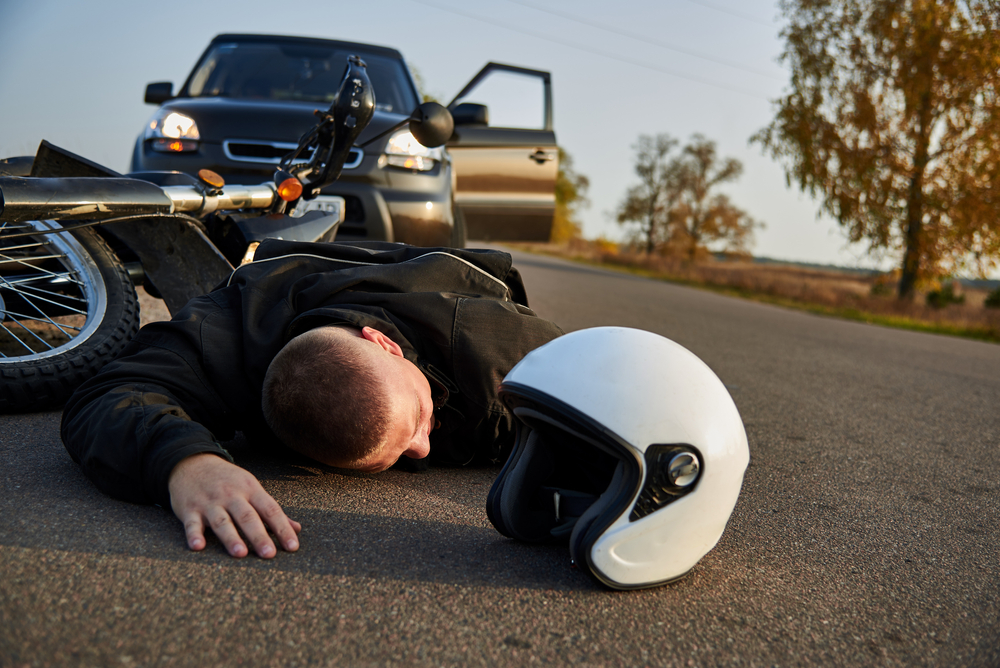
Expert analysis often becomes a key part of motorcycle accident cases. These professionals help explain how the collision happened and whether helmet use affected the injuries. Their testimony provides technical clarity that courts and insurers rely on.
Experts may include:
They review helmet type, helmet condition, medical records, and crash dynamics. Their findings help determine whether injuries were likely preventable or influenced by helmet non-compliance. This evaluation supports decisions about liability and damages.
Helmet compliance is both a safety requirement and a factor evaluated during fault and damages analysis.
Insurance adjusters carefully review helmet use when assessing motorcycle accident claims. They often compare medical records, crash photos, and witness statements to determine how injuries occurred.
Adjusters typically consider:
When helmets are not worn or do not meet safety requirements, insurers may argue that some injuries could have been reduced. This argument can lower the payout, even when the other party caused the collision.
Riders who want clarity about how these evaluations may impact their claim can benefit from speaking with a New Orleans personal injury lawyer who understands how insurers approach motorcycle accident cases.
Insurance assessments often focus on whether injury severity would have been different with proper helmet use.

Some specific situations allow riders to operate without a helmet. These include operating a motorcycle with a fully enclosed cabin or riding in a permitted parade. These exceptions are narrow and rarely apply to everyday riding.
However, these exceptions do not shield riders from scrutiny during a claim. Even when the law allows riding without a helmet, insurers and opposing counsel may still argue that helmet use could have lessened the injuries.
Understanding this distinction helps clarify why helmet use continues to influence claims even when an exception exists.
Medical studies consistently show that helmets significantly reduce the severity of head injuries. They help absorb impact forces, distribute energy, and prevent direct trauma. This has both medical and legal importance.
Courts and insurers evaluate:
Below is a simple comparison of how helmet use influences risk and evaluation.
|
Helmet Status |
Injury Risk Level |
Legal Impact in Louisiana |
Insurance Claim Considerations |
| DOT-Approved Helmet | Lower | May support full recovery of damages | Fewer disputes from insurers |
| No Helmet | Significantly higher | May trigger comparative fault reduction | Higher chance of reduced payout |
| Non-DOT Helmet | Moderate | Helmet may be considered non-compliant | Partial liability arguments |
| Helmet Law Exception | Varies | May limit fault attribution | Still examined for preventability |
Yes. All riders and passengers must wear a securely fastened DOT-approved helmet under Louisiana Revised Statute §32:190.
Yes. You can still pursue a claim, although compensation may be reduced if the lack of helmet increased your injuries.
Insurers often argue that missing or non-DOT helmets contributed to injury severity and may use this to limit payouts.
Exceptions exist, but insurers can still examine whether helmet use would have reduced injuries in a crash.
They can. Non-DOT helmets may be considered non-compliant and lead to debates about preventability and injury severity.
Medical records, crash reconstruction, imaging, and expert analysis help determine how helmet use affected injury outcomes.
Helmet use plays a major role in Louisiana motorcycle accident claims. It influences injury severity, comparative fault, and the way insurers evaluate each case. Understanding Louisiana’s helmet requirements and how they affect the claims process helps riders protect their rights and stay informed after a crash.
Charbonnet Law Firm, LLC assists individuals in understanding how Louisiana’s motorcycle laws apply to their situation. If you were involved in a motorcycle accident and need guidance, the firm offers a free consultation to help you explore your options.

With over 50 years of legal experience serving families in the New Orleans area and surrounding Louisiana communities, our firm takes pride in providing clients with personalized legal services tailored to individual needs.