Partner at Charbonnet Law Firm LLC
Practice Areas: Car Accident, Personal Injury
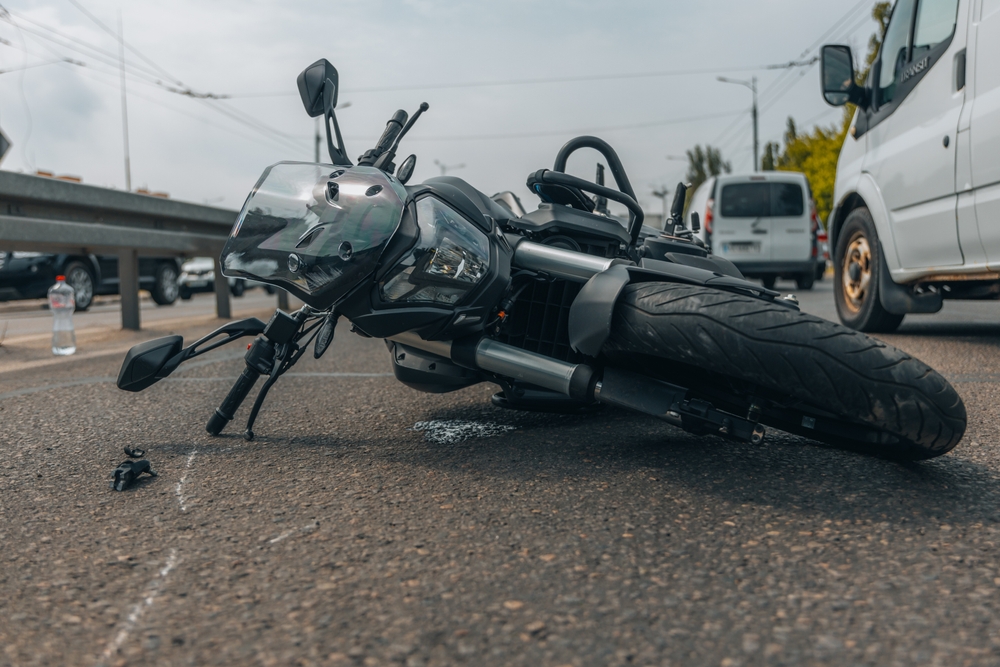
New Orleans is a city full of character, busy intersections, narrow historic streets, and unpredictable weather. These conditions make riding a motorcycle both exciting and challenging. Understanding the common causes of motorcycle accidents in New Orleans can help riders make safer decisions and reduce risks on the road.
This guide walks you through the most frequent causes of motorcycle crashes and the steps riders can take to avoid them. If you ever need guidance after an accident, consulting a motorcycle accident attorney in New Orleans can help you understand your next steps while you explore the information ahead.
Motorcycle safety is a growing concern across Louisiana. Urban areas like New Orleans often see higher accident numbers because riders share the road with dense traffic, distracted drivers, visitors unfamiliar with local roads, and sudden weather changes.
Local crash reports show that riders are more vulnerable at intersections, on narrow streets, and in areas with older infrastructure. The combination of traffic patterns, road conditions, and visibility challenges creates an environment where caution matters every mile.
Data from the Louisiana Highway Safety Commission shows that motorcycle riders experience a high rate of severe injuries at intersections across the state.
Below are the leading causes riders should be aware of, especially in busy or unpredictable parts of the city.
Distracted driving is one of the leading contributors to motorcycle collisions. Drivers focused on phones, food, or dashboard screens often fail to notice motorcycles, especially when traffic is heavy or visibility is limited.
Riders face added risk because motorcycles are smaller and easier to overlook. A moment of inattention by a driver can create a dangerous situation for someone on two wheels.
Speeding reduces reaction time for both drivers and riders. On New Orleans streets, sharp turns, narrow lanes, and frequent stop-and-go traffic make speeding especially risky. Quick stops or sudden lane changes can also catch riders off guard.
New Orleans roads can pose unique hazards due to age, weather, and constant construction activity. Potholes, uneven pavement, loose gravel, and slick surfaces after rain can cause a motorcycle to lose balance.
Common hazards include:
Left-turn collisions remain one of the most frequent types of motorcycle accidents. Drivers may misjudge the speed of an approaching motorcycle or fail to see it entirely. Busy intersections across the city increase the chance of these errors.
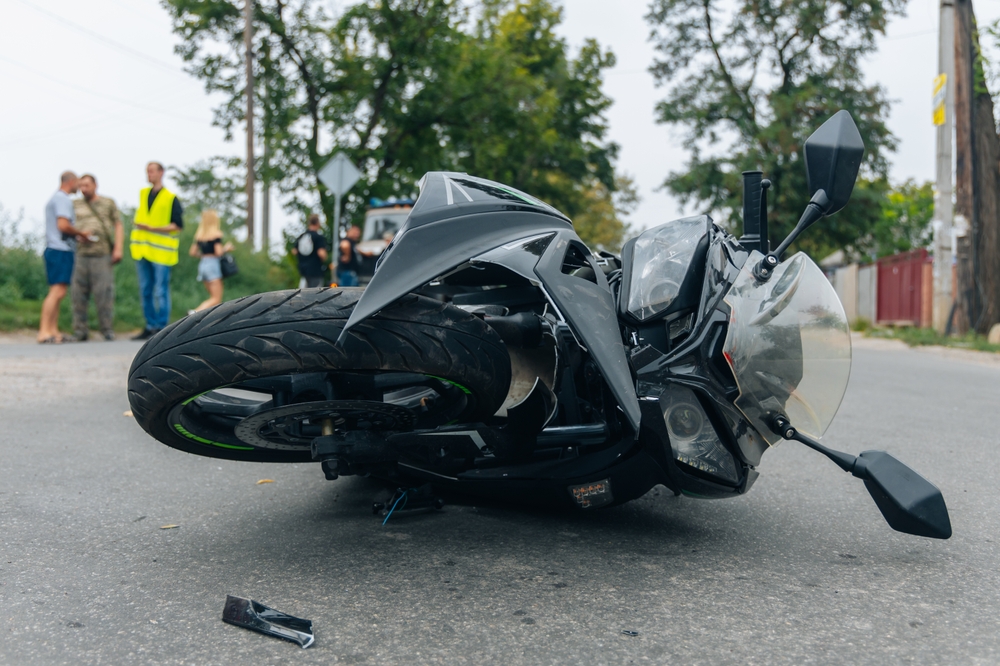
Louisiana does not allow lane splitting. Riding between lanes can put motorcyclists at risk when vehicles shift unexpectedly or when space is limited. The compact design of older New Orleans streets adds another layer of difficulty.
Impairment affects vision, coordination, reaction time, and judgment. Alcohol or drug use creates a dangerous situation on a motorcycle, where even small errors can lead to serious crashes.
New riders face challenges with balance, braking, turning, and scanning for hazards. Without proper training, it becomes harder to react to sudden changes in traffic or road conditions.
Under Louisiana’s comparative fault rules (LA Civil Code 2323), responsibility for an accident may be shared if either party’s actions contributed to the collision.
Riders can significantly lower accident risks by practicing awareness, preparation, and defensive habits. These steps help address the most common hazards found throughout the city.
Motorcycles are easy to miss in traffic. Improving visibility helps drivers notice you sooner.
Tips include:
Avoid lingering in areas where you are harder for drivers to see, such as blind spots.
Following posted speed limits gives you more time to react to potholes, unexpected stops, or merging vehicles. Slowing slightly in neighborhoods, along curved roads, or in construction zones can help prevent sudden loss of control.
Riders should stay focused on the road at all times. Adjust gear before moving, silence mobile devices, and keep both hands on the handlebars.
Before heading out, check the weather and consider how rain, fog, or humidity may affect traction. Some streets develop puddles or become slick quickly. Slowing down and scanning the road ahead helps you avoid rough patches or debris.
Many motorcycle crashes happen when a vehicle turns left in front of a rider. Approach intersections carefully, look for movement from turning vehicles, and be prepared to stop if necessary.
Since lane splitting is not allowed in Louisiana, staying within your lane keeps you safer and reduces the chance of sudden impacts from nearby vehicles.
Skills improve with quality instruction. Programs like the Motorcycle Safety Foundation and Louisiana-approved training courses help riders learn handling techniques, hazard scanning, and safe turning methods.
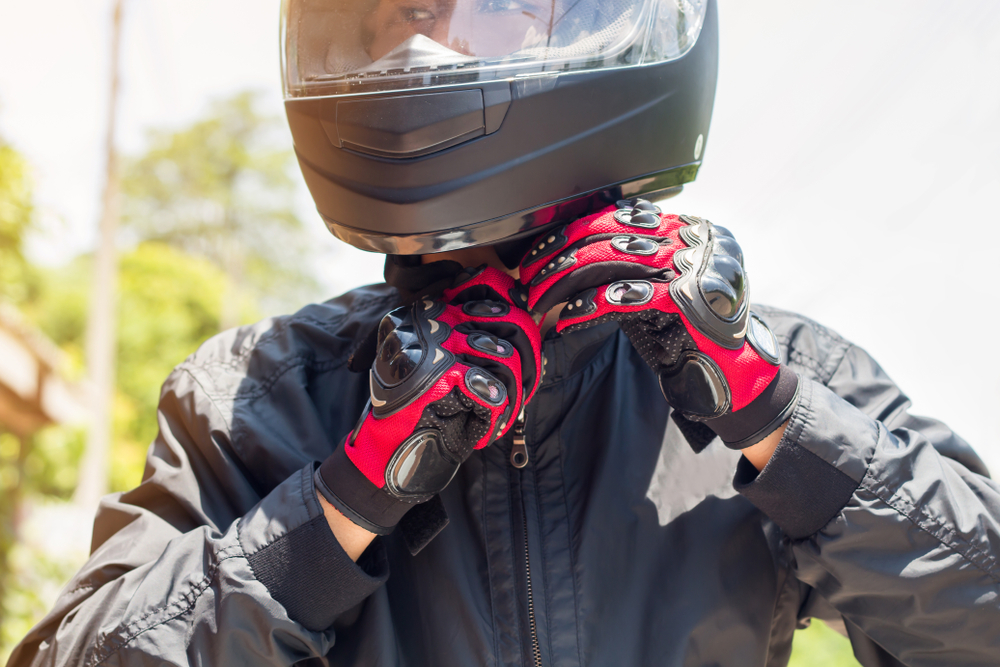
Wearing the right safety gear reduces injury severity and gives riders added protection in challenging conditions. Louisiana law requires motorcycle helmets under LA RS 32:190, but additional equipment can make a meaningful difference.
| Safety Gear |
Protective Benefits |
| Helmet | Shields the head and lowers risk of severe injury |
| Gloves | Improves grip and protects hands from scrapes |
| Jacket | Helps protect the upper body during a fall |
| Pants | Provides abrasion protection for legs |
| Boots | Offers ankle support and shields feet |
| Eye Protection | Keeps wind and debris from affecting vision |
New Orleans has its own set of riding challenges that differ from other cities.
Understanding these conditions helps riders plan ahead:
Some areas with heavy tourism may also have unpredictable pedestrian or vehicle movement.
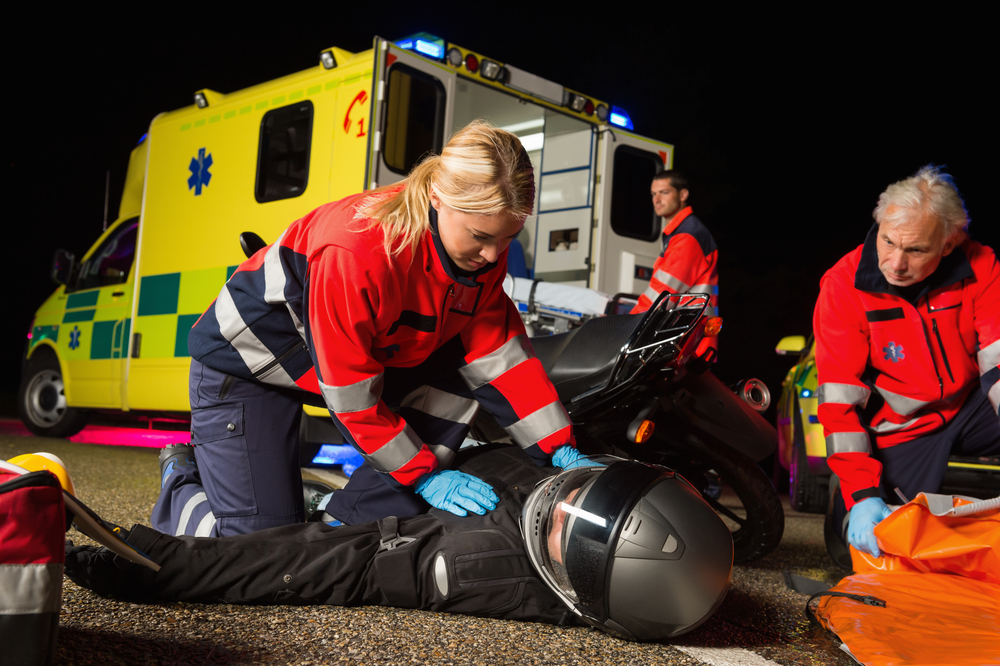
If an accident occurs, taking calm and clear steps can help protect your safety and document the incident properly. Move to a safe area when possible, call emergency services, and gather basic details from the scene. Photograph the road conditions, vehicle positions, and any visible damage. Even if injuries appear minor, a medical evaluation helps identify issues that may not be immediately noticeable.
If you have questions about your rights after a crash, speaking with an experienced New Orleans personal injury attorney can help you understand what steps may apply to your situation.
Dense traffic, narrow streets, busy intersections, and varied road surfaces increase collision risks for riders in the city.
No. Louisiana does not allow lane splitting, and riding between lanes can increase accident risk.
Potholes, uneven pavement, streetcar tracks, construction zones, and slick roads after rain.
Get to safety, call emergency services, document the scene, and seek medical attention.
MSF courses and Louisiana-approved programs offer skills for hazard scanning and safer riding.
Motorcycle accidents in New Orleans often happen due to distraction, speeding, poor road conditions, visibility issues, and inexperience. Riders who stay alert, follow safety practices, wear proper gear, and understand Louisiana laws are better prepared to avoid these risks.
Charbonnet Law Firm, LLC provides reliable guidance for individuals dealing with the aftermath of a motorcycle accident. If you need help understanding your rights or exploring your options, you can reach out to the firm for a free consultation.

With over 50 years of legal experience serving families in the New Orleans area and surrounding Louisiana communities, our firm takes pride in providing clients with personalized legal services tailored to individual needs.