Partner at Charbonnet Law Firm LLC
Practice Areas: Car Accident, Personal Injury
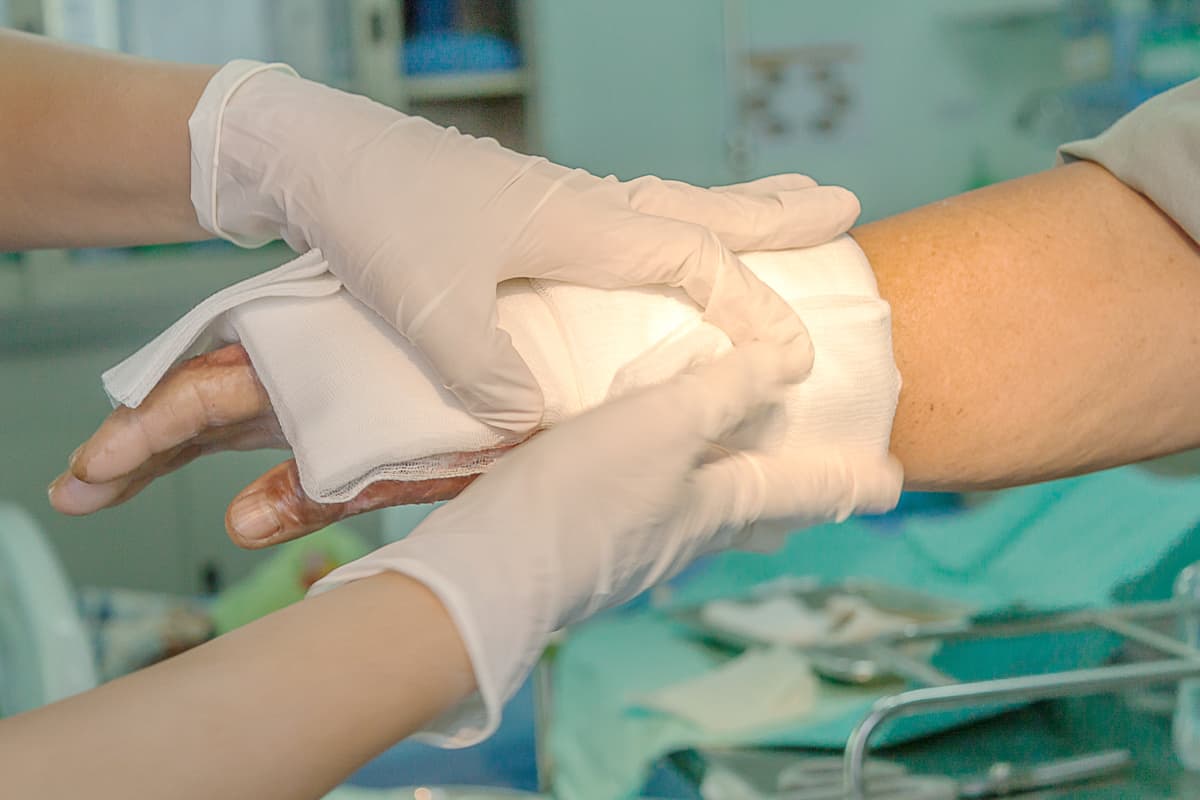
Burn injuries can happen in seconds, but the impact often lasts much longer. When a burn occurs because someone failed to act responsibly, it can form the basis of a burn injury claim. Understanding the different types of burn injuries, how these accidents happen, and how liability is evaluated helps individuals make informed decisions after an incident.
If you need clarity about a burn accident and what may have caused it, speaking with New Orleans personal injury lawyers can help you understand your options. This guide breaks the topic into clear sections so readers can easily skim and understand the essentials.
“The American Burn Association reports that most serious burn injuries occur in the home, workplace, or due to product malfunction. These are the same environments where liability often arises.”
A burn injury claim is generally pursued when someone suffers a burn due to unsafe conditions, defective products, or preventable hazards. In these situations, responsibility is connected to negligence, meaning a party failed to take reasonable steps to prevent harm.
Burn injury claims often start by understanding three core elements:
Many incidents involve fire hazards, unsafe wiring, chemical exposures, or overheated consumer products. Identifying these factors helps clarify whether a property owner, employer, manufacturer, or another party may be responsible.
“Local fire codes establish minimum safety standards for buildings. Violations can contribute to liability in burn injury events.”
Several types of burns frequently appear in liability cases. Each type has unique causes and common scenarios that may point toward negligence.
These result from contact with flames, hot liquids, steam, or overheated objects. They are often linked to residential fires, restaurant accidents, industrial heat exposure, or malfunctioning appliances.
These burns occur when acids, alkalis, solvents, or industrial chemicals contact the skin. Common causes include unsafe storage, mislabeled containers, or inadequate protective equipment in workplaces.
Electrical burns arise from exposed wiring, faulty outlets, defective appliances, or industrial equipment. These burns often happen because of poor maintenance or code violations.
These burns are less common but may occur in industrial settings, construction sites, or controlled environments where radiation-emitting devices malfunction.
A combination of heat and abrasion, friction burns often occur during motorcycle crashes, road accidents, or contact with fast-moving industrial surfaces.
Cold burns develop when someone is exposed to extremely low temperatures due to equipment failures or unsafe conditions, particularly in workplaces handling freezing systems.
Burn injuries linked to liability usually happen in specific, preventable scenarios. Some of the most frequent causes include:
Electronics that overheat, kitchen appliances that malfunction, lithium batteries that explode, or machinery that fails to regulate temperature are common sources of burn-related claims.
Burn incidents often occur in buildings where fire alarms fail, smoke detectors don’t work, exits are blocked, or wiring is outdated. Landlords and property owners must keep environments safe for tenants and visitors.
Industrial environments carry high burn risks due to chemicals, machinery, pressurized systems, or electrical equipment. When employers ignore safety rules, workers face greater danger.
“OSHA regulations require employers to control chemical, electrical, and heat hazards in workplaces where burn risks are present.”
Fuel leaks, electrical shorts, and post-collision fires can cause burns in car or truck accidents. Faulty vehicle components, unsafe repairs, or manufacturing defects may contribute.
Retail stores, labs, industrial sites, and cleaning operations can expose individuals to serious burns if chemicals are stored, handled, or labeled incorrectly.
Determining liability in a burn injury claim starts with understanding whether someone failed to keep an environment or product safe. When a burn happens due to preventable conditions, several parties may be legally responsible depending on where and how the incident occurred.
Here are the key points courts typically review:
Different parties may be responsible based on the circumstances:
In every case, liability comes down to whether a party failed to act responsibly and whether that failure played a clear role in causing the burn injury.
Burn injury claims rely on detailed evidence to establish what occurred and who contributed to the danger.
Common forms of evidence include:
These documents help determine how the burn occurred, whether regulations were violated, and whether the injury could have been prevented.
| Burn Type |
Example Scenario |
Possible Liability |
| Thermal | Fire from faulty wiring or overheated device | Property owner, manufacturer |
| Chemical | Spill of corrosive substances | Employer, chemical supplier |
| Electrical | Shock from defective appliance | Manufacturer, installer |
| Radiation | Malfunctioning industrial equipment | Employer, equipment maker |
| Friction | Road rash from vehicle accident | Other motorists, equipment maker |
Thermal, chemical, and electrical burns are most common in claims because they frequently stem from unsafe conditions or preventable hazards.
Liability depends on who controlled the environment, whether safety rules were followed, and how the incident occurred.
Yes, multiple parties may share responsibility when products, premises, or safety protocols overlap.
Investigators review fire reports, safety records, product data, and expert analyses to determine how the event occurred.
Key evidence includes fire reports, inspection documents, defect records, and expert evaluations.
Understanding the types of burn injuries, how they happen, and how liability is evaluated helps bring clarity to a complex topic. Burn injury claims often involve defective products, unsafe property conditions, workplace hazards, or violations of important safety rules. Recognizing these factors is essential when determining accountability.
If you or a loved one has been affected by a burn injury and need guidance, Charbonnet Law Firm LLC is here to help. Our team can review the details, explain your options, and offer a free consultation to help you move forward with confidence.

With over 50 years of legal experience serving families in the New Orleans area and surrounding Louisiana communities, our firm takes pride in providing clients with personalized legal services tailored to individual needs.