Partner at Charbonnet Law Firm LLC
Practice Areas: Car Accident, Slip-and-Fall, Work-related Injury
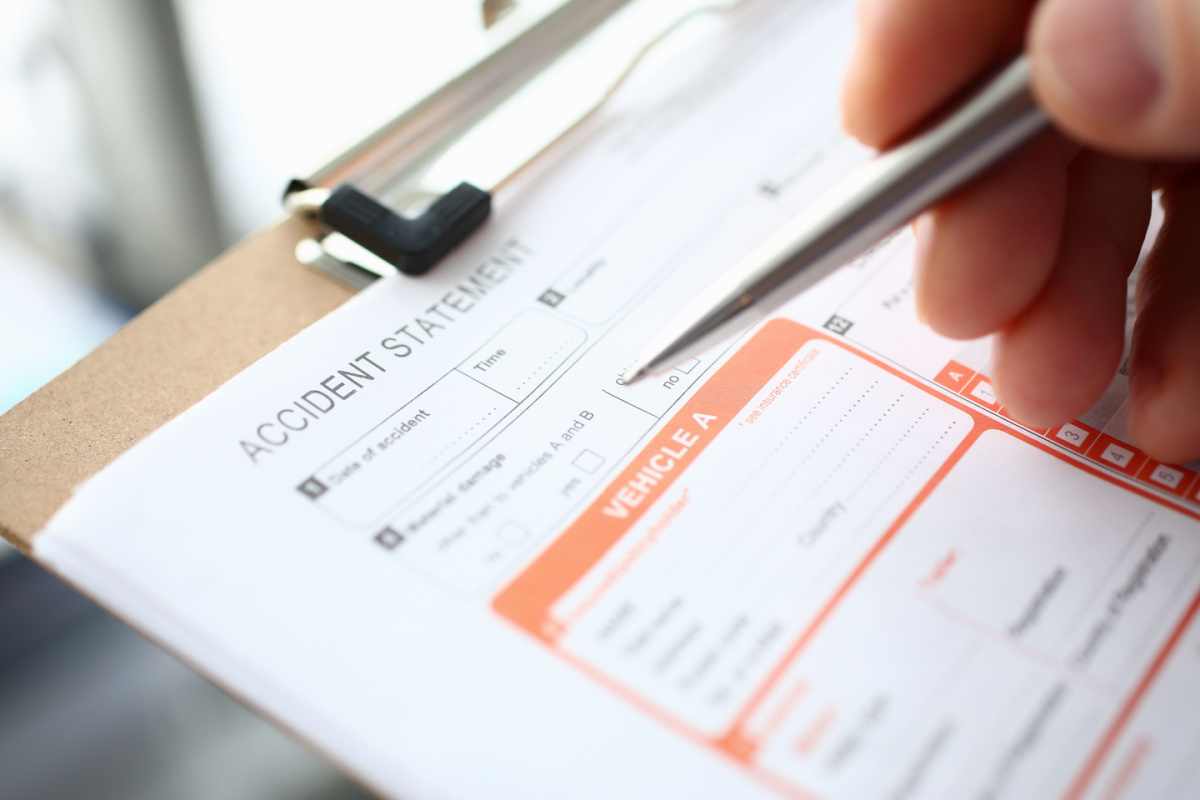
Dealing with insurance adjusters after a car accident can be stressful, especially when the call comes before you’ve had time to process what happened. Adjusters move quickly, and what you say in those early conversations can affect how your claim is evaluated.
Understanding how adjusters work, what information they look for and how Louisiana’s laws apply will help you avoid common mistakes. Clear guidance can make the entire process easier to manage.
If the process ever feels confusing, speaking with a New Orleans car accident lawyer can help you understand your options. For now, this guide explains exactly how to communicate with adjusters and protect your interests after a crash.
Insurance adjusters are responsible for gathering information, reviewing evidence and determining how much the insurer may pay for a claim. Their job is to protect the insurance company’s interests, which means their priorities may not always align with yours.
Insurers reach out early because it gives them a head start on collecting information. Early contact often means you have not spoken to anyone else or fully understood your injuries.
Adjusters often ask about the accident timeline, vehicle damage, injuries and background details. These questions may seem routine, but even small comments can affect how your claim is evaluated.
“Insurance adjusters work for the insurer, not the injured party, and their primary role is to assess liability and limit the insurer’s financial exposure.”
What you say during these early conversations matters. Stick to essential facts and avoid anything that can be interpreted in different ways later.
You can confirm:
Keep it brief and factual.
Sharing too much can lead to problems later Avoid:
“Recorded statements given early in the process may be compared later against medical records or police reports, creating inconsistencies that can affect the claim.”
Louisiana has its own set of accident reporting rules and fault laws that influence how claims unfold. Understanding these helps you stay prepared.
Under La. R.S. 32:398, drivers must report accidents that involve injury, death or significant damage. These reports become important pieces of evidence.
Louisiana follows a pure comparative negligence rule under Civil Code Art. 2323. This means compensation may be reduced if a driver is found partly responsible.
Accurate facts, consistent descriptions and supporting documents help clarify how the accident happened. These details also strengthen your understanding of where fault may lie.
“Louisiana follows a pure comparative negligence system, which means compensation may be reduced according to each party’s percentage of fault.”
Most adjusters follow predictable patterns when gathering information. Knowing these tactics can help you stay calm and make informed choices.
Early offers may seem helpful, but they usually come before you understand the full extent of your injuries or long-term needs. Accepting too soon can affect your ability to recover costs later.
These statements are not required and can be used to compare your answers with later medical records. Even innocent comments can create inconsistencies.
These forms may allow insurers to review years of your medical history. They may look for old injuries or unrelated issues to downplay the accident’s impact.
“Early settlement offers are often made before the full extent of injuries or medical needs is known.”
If you weren’t able to gather information at the scene, you can still build clear and useful documentation later. The sooner you start, the more accurate your notes and details will be.
Good documentation helps you stay consistent when speaking with insurance adjusters and ensures you have accurate information stored in one place.
If you want guidance on what to document or how these records may be used during a claim, a New Orleans personal injury lawyer can help you understand your options.

Life becomes hectic after a crash. Between medical appointments, vehicle repairs and time away from work, it can be difficult to keep track of everything. Staying organized helps lower stress and makes communication with adjusters clearer.
A simple file with accident notes, receipts, medical papers and adjuster conversations can prevent confusion later on.
|
Adjuster Request |
Required? |
What It Means |
Notes |
| Identity verification | Yes | Name and basic details | Safe to provide |
| Accident details | Limited | Date, time and location | Avoid discussing fault or injuries |
| Recorded statement | No | Verbal account on record | Not required |
| Medical history release | No | Access to full medical records | May include unrelated conditions |
| Daily routine info | No | Details about physical ability | Can influence claim value |
| Vehicle repair details | Sometimes | Photos or estimates | Provide factual information only |
Keep the call brief. Confirm your name and accident date, then avoid discussing injuries, fault or details until you review your information.
No. Louisiana drivers are not obligated to provide recorded statements, and anything said early may be compared later and used to challenge your claim.
Only confirm basic identity details and the accident’s date, time and location. Avoid describing injuries, pain levels, daily activities or how the crash occurred.
Your compensation can be reduced depending on your share of fault. Even if partially responsible, you may still pursue recovery based on the remaining percentage.
Insurance adjusters play a major role after a car accident, but understanding their process helps you avoid mistakes that could affect your claim. Keep conversations factual, document everything and stay aware of Louisiana’s accident reporting and fault rules.
If you need guidance on understanding your rights or navigating complex claim issues, Charbonnet Law Firm, LLC offers support through a free consultation. Our team can help you make informed decisions while staying focused on your recovery.
With over 50 years of legal experience serving families in the New Orleans area and surrounding Louisiana communities, our firm takes pride in providing clients with personalized legal services tailored to individual needs.