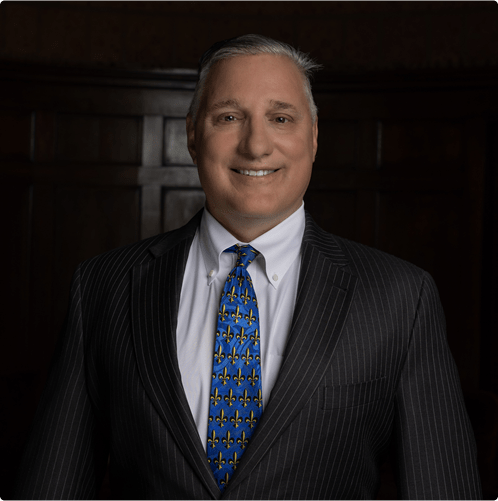
Partner at Charbonnet Law Firm
LLC Practice Areas: Personal Injury

Losing someone in a fatal accident changes everything in a matter of moments. Families are left facing emotional shock, financial pressure and a long list of questions about what truly happened. Many people look for clarity during this time, especially when there are concerns about fault, insurance issues or long-term losses that affect the entire household.
In situations like these, speaking with a wrongful death attorney New Orleans families rely on can help them understand what steps to take next and what rights they have under Louisiana law. Legal guidance becomes important early, especially when evidence needs to be preserved or when multiple parties may be involved.
This guide breaks down five key reasons legal support matters after a fatal accident. It explains the evidence that often shapes these cases, Louisiana’s specific rules and the common mistakes families should avoid while navigating the aftermath.
Fatal accidents involve more than the immediate tragedy. They create layers of emotional, financial and legal challenges that are difficult to manage without a structured process. Many families do not realize how much evidence must be preserved or how quickly important deadlines approach in Louisiana.
Fatal accident cases often include two separate legal paths. A wrongful death action focuses on the losses suffered by surviving family members. A survival action deals with the harm the deceased experienced before death.
Each has different requirements and timelines, which is why understanding the legal landscape early is helpful.
Under Louisiana Civil Code Art. 2315.2, certain family members may file a wrongful death action, starting with the surviving spouse and children.
Families often underestimate the long-term impact of a fatal accident. The losses extend far beyond immediate medical bills or funeral expenses. When the person who passed away contributed income, household services or long-term support, the financial effects continued for years.
Economic losses may include medical bills from final treatments, funeral and burial expenses and future earnings the individual would have contributed. Non-economic losses relate to the emotional and relational impact on the family.
These can include loss of companionship, guidance and stability that shaped the household dynamic. Louisiana law recognizes both categories. Understanding Louisiana’s approach to wrongful death damages helps families evaluate the full scope of their situation, especially when the accident affects multiple areas of daily life.
Determining what happened and who is responsible is at the center of every fatal accident case. Liability depends on strong evidence, objective documentation and a clear understanding of how the crash or incident unfolded.
The process often includes:
Fault can be disputed, especially when multiple parties may have contributed to the incident. In these situations, accident reconstruction experts, engineers or other specialists may be involved to explain the mechanics of the crash or identify hazards.
Louisiana’s comparative fault rule under Civil Code Art. 2323 assigns responsibility based on each party’s percentage of fault, which can affect the final outcome. Learning how this rule works is important because even small details can shift how fault is determined.
Evidence is strongest when gathered early. Over time, photos disappear, vehicles are repaired, witnesses become harder to reach and digital records may be overwritten. Many families do not realize what evidence matters until it is too late.
Critical evidence in fatal accident matters often includes:
Third party evidence, such as surveillance footage or phone records, can also play a major role, but these records are not preserved indefinitely. The sooner an investigation begins, the easier it becomes to obtain this information and establish the timeline of events.
Insurance companies routinely review statements, online posts and documentation to challenge or limit claims in fatal accident cases.
This is why families are advised to avoid discussing the accident publicly or posting details online. Even innocent comments can be misinterpreted or taken out of context later.
The period after a fatal accident is overwhelming, and many families unintentionally make decisions that affect their situation later.
Common mistakes include posting details on social media, accepting early settlement offers or providing statements to insurance representatives without understanding the consequences.
In Louisiana, the prescriptive period for wrongful death actions is generally one year from the date of death. Missing this deadline can prevent families from taking further action. Early settlement offers may not account for long term financial losses, and once accepted, cannot be revisited.
This is also where families often search for guidance from New Orleans personal injury attorneys, because they want clarity on timelines, damages and what steps to take next. These conversations are meant to help them understand their rights rather than make decisions under pressure.
The legal process surrounding fatal accidents has several important steps. Families must identify who is eligible to file, understand whether the situation falls under wrongful death or survival action and gather evidence within the required timeline.
Louisiana Civil Code Art. 2315.1 and 2315.2 outline the framework for survival and wrongful death actions. Many cases can be resolved through structured negotiation, but some move into litigation when liability is disputed.
Litigation typically includes presenting evidence, questioning witnesses and explaining the circumstances to a judge or jury.
When disputes arise about fault or the value of losses, the legal process becomes more demanding. Having support ensures the case follows the correct procedures and remains within Louisiana’s legal requirements.
Some fatal accident cases cannot be resolved through negotiation. Litigation becomes necessary when the parties disagree about fault, evidence or damages. This stage includes gathering expert testimony, compiling records, interviewing witnesses and presenting the evidence with clarity.
The process is structured and focuses heavily on documentation. Strong evidence and organized presentation help establish what happened and who is responsible. Families benefit from knowing what to expect so they can prepare for the steps ahead.
|
Category |
Wrongful Death Action |
Survival Action |
| Who May File | Spouse, children, parents, siblings or grandparents depending on order | Same family hierarchy |
| Covers | Losses experienced by surviving family members | Damages the deceased suffered before passing |
| Timing | Losses begin at death | Losses occur between injury and death |
| Statute | Civil Code Art. 2315.2 | Civil Code Art. 2315.1 |
| Deadline | One year from date of death | One year from date of death |
Evidence clarifies what happened, how the accident occurred and who may be responsible, making it essential for determining fault and losses.
Losses may include medical bills, funeral costs, lost income, emotional harm and the long-term impact on relationships and stability.
Wrongful death focuses on the family’s losses, while a survival action involves harm the deceased experienced before passing.
Louisiana uses comparative fault, which assigns percentages of responsibility to all involved parties.
Most actions must be filed within one year from the date of death under Louisiana law.
Yes, responsibility can be shared among drivers, property owners, companies or other parties depending on the facts.
Fatal accidents leave families with significant emotional and financial challenges. Understanding potential losses, evidence requirements, Louisiana’s deadlines and the full legal process helps families make informed decisions during a difficult time.
If your family is facing the after effects of a fatal accident, Charbonnet Law Firm, LLC is available to explain your options and provide a free consultation.
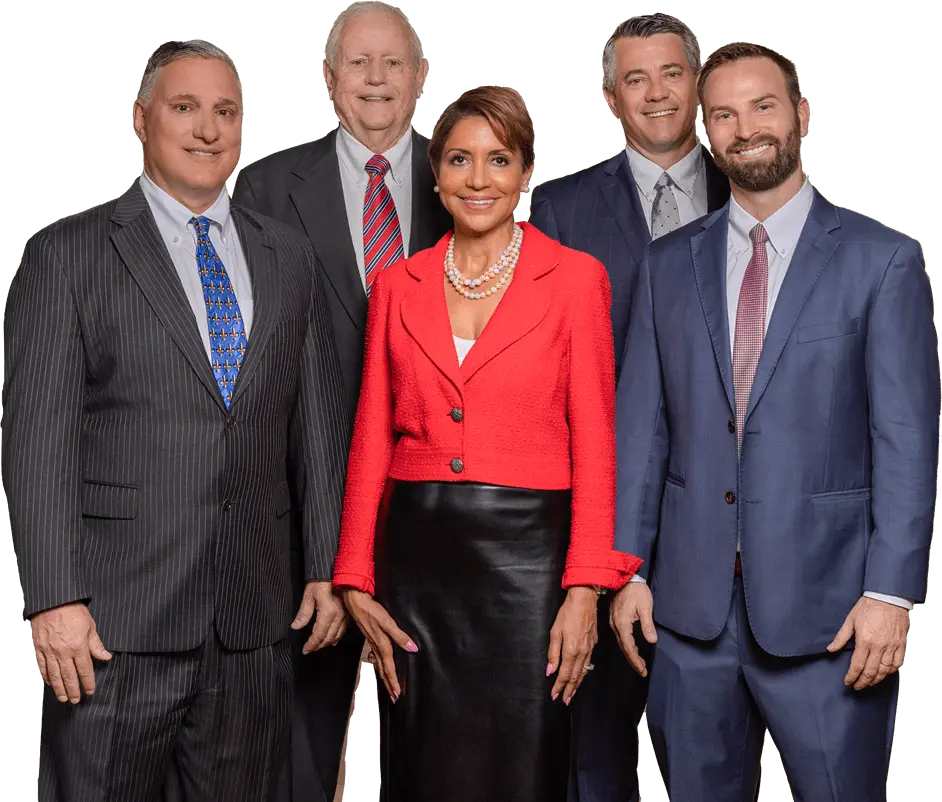
With over 50 years of legal experience serving families in the New Orleans area and surrounding Louisiana communities, our firm takes pride in providing clients with personalized legal services tailored to individual needs.