Partner at Charbonnet Law Firm LLC
Practice Areas: Car Accident, Slip-and-Fall, Work-related Injury
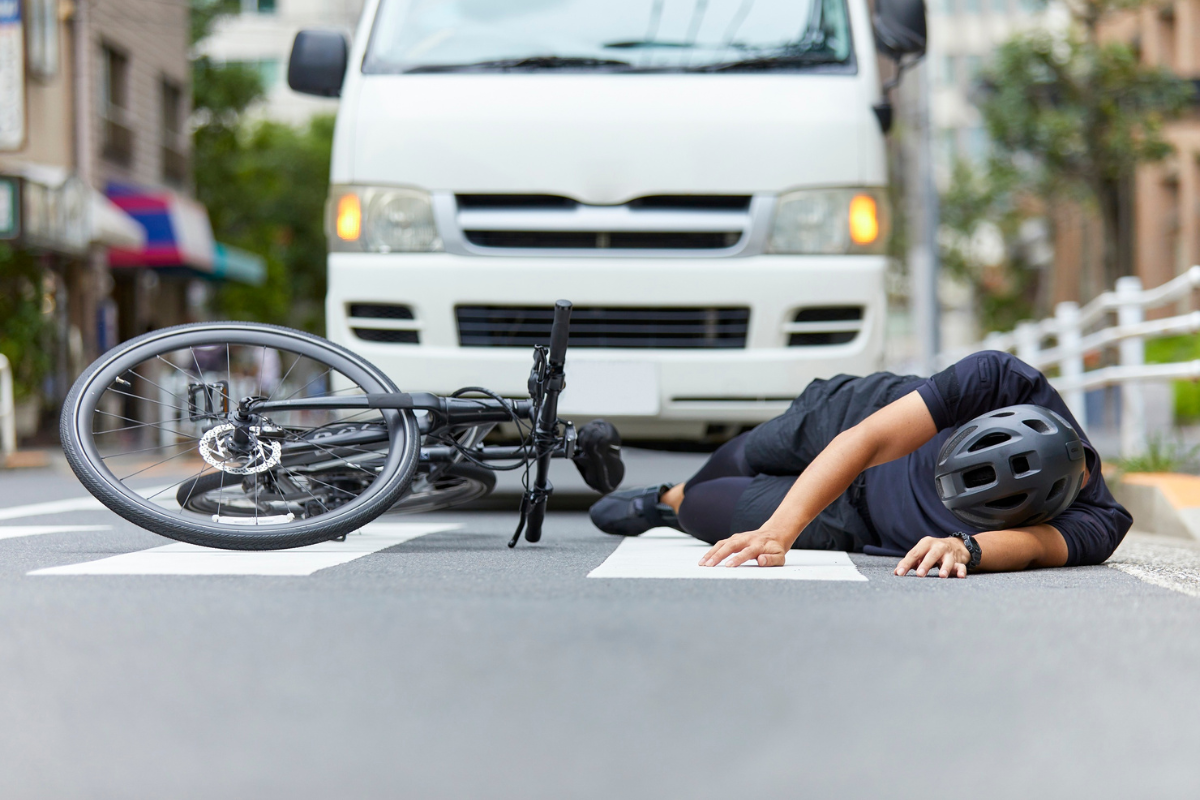
People walking or riding a bike can suffer serious injuries when a car hits them. Medical bills and missed work can add up quickly, leaving you wondering who will pay.
In many cases, the driver’s auto insurance may cover your injuries. But the answer is different if the accident involved a cyclist, a hit-and-run driver, or another type of insurance.
A car accident attorney in New Orleans can help you find out what coverage may apply and who may be responsible.
This guide explains how auto insurance works after a pedestrian or bicycle accident in Louisiana, how fault can affect your claim, and what you should do after a crash.
The type of crash can change which insurance policy applies.
The right coverage depends on the facts and policy terms.
Auto insurance may cover your injuries when a driver causes the crash.
The type of coverage can vary:
If a cyclist causes the crash, auto insurance usually does not apply. The cyclist’s homeowner’s or renter’s insurance may provide coverage instead.
Louisiana also has rules that protect people riding bikes. Under the Colin Goodier Protection Act, La. R.S. 32:76.1, drivers must leave at least three feet when passing a bicycle. Breaking this rule may be used as evidence of fault.
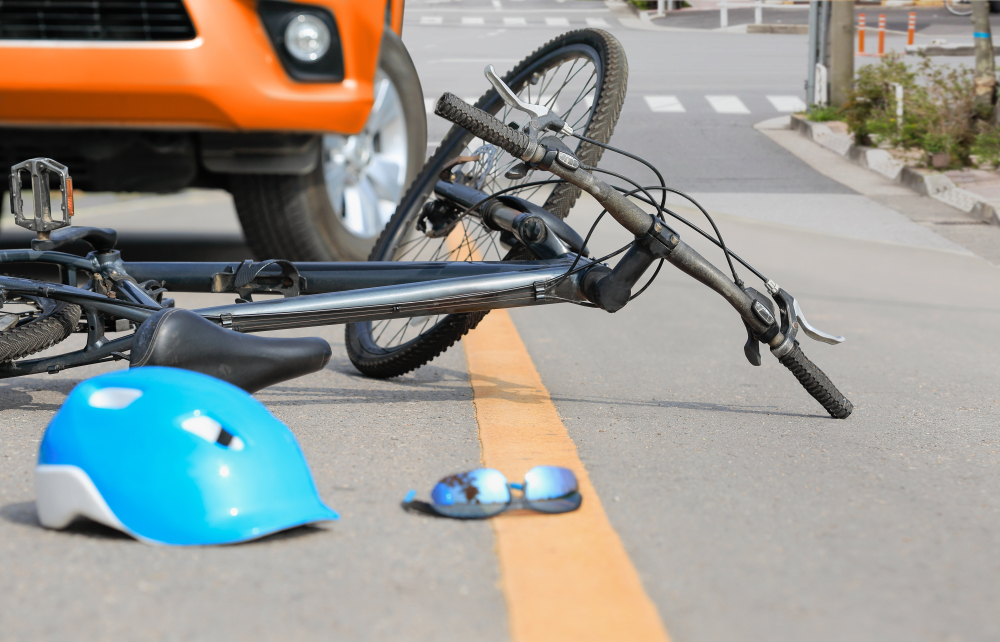
Louisiana does not always place all the blame on one person. If you were partly responsible for the accident, that can lower the amount you receive.
The rules changed in 2026. If you are 51% or more at fault, you generally cannot recover damages. If you are 50% or less at fault, your compensation is reduced by your share of fault under Louisiana Civil Code Article 2323.
For example, 30% fault on $80,000 in damages would leave $56,000. You can learn more about filing a claim when you are partly at fault.
Get medical care first. Then take steps to protect your claim.
A police report can provide a record of the crash. It may also help if there is a later dispute about what happened.
Pedestrians and cyclists often suffer serious injuries because they have little protection during a collision.
Common injuries include:
Some injuries may not appear immediately. Getting medical care quickly helps protect your health and creates documentation of your injuries.
The insurance that applies depends on who caused the crash and whether a motor vehicle was involved.
|
Accident |
Possible coverage |
Notes |
| Pedestrian hit by car | Driver’s liability coverage | Applies when the driver is at fault |
| Cyclist hit by car | Driver’s liability, possible MedPay | UM/UIM may also apply |
| Pedestrian hit by cyclist | Homeowner’s or renter’s insurance | Auto insurance usually does not apply |
| Hit-and-run | Your UM/UIM coverage | Depends on your policy |
| On-campus accident | Liability or civil claim | Depends on who caused the accident |
If the driver has little or no insurance, your own uninsured/underinsured motorist coverage may help cover your losses.
Usually not. If a cyclist caused the injury, homeowner’s or renter’s insurance may provide coverage.
It depends on the facts. A cyclist may be responsible for unsafe actions, but a pedestrian may also share fault in some situations. Louisiana assigns each party a percentage of responsibility.
Yes, depending on when the crash happened. Your award may be reduced based on your share of fault. For crashes on or after January 1, 2026, you cannot recover if you are 51% or more at fault.
If a driver leaves the scene, your UM/UIM coverage may help cover your losses if you have that protection.
A police report is not always required, but it can provide important evidence about what happened.
A pedestrian or bicycle accident can leave you dealing with medical bills, lost income, and questions about who should pay.
At Charbonnet Law Firm, our attorneys help injured people across Louisiana understand their rights after serious accidents. We can review your situation, explain your options, and help determine what insurance coverage may apply.
The deadline to file a claim is limited, so getting advice early can help protect your rights. Call (504) 888-2227 for a free consultation.

With over 50 years of legal experience serving families in the New Orleans area and surrounding Louisiana communities, our firm takes pride in providing clients with personalized legal services tailored to individual needs.