Partner at Charbonnet Law Firm LLC
Practice Areas: Car Accident, Slip-and-Fall, Work-related Injury
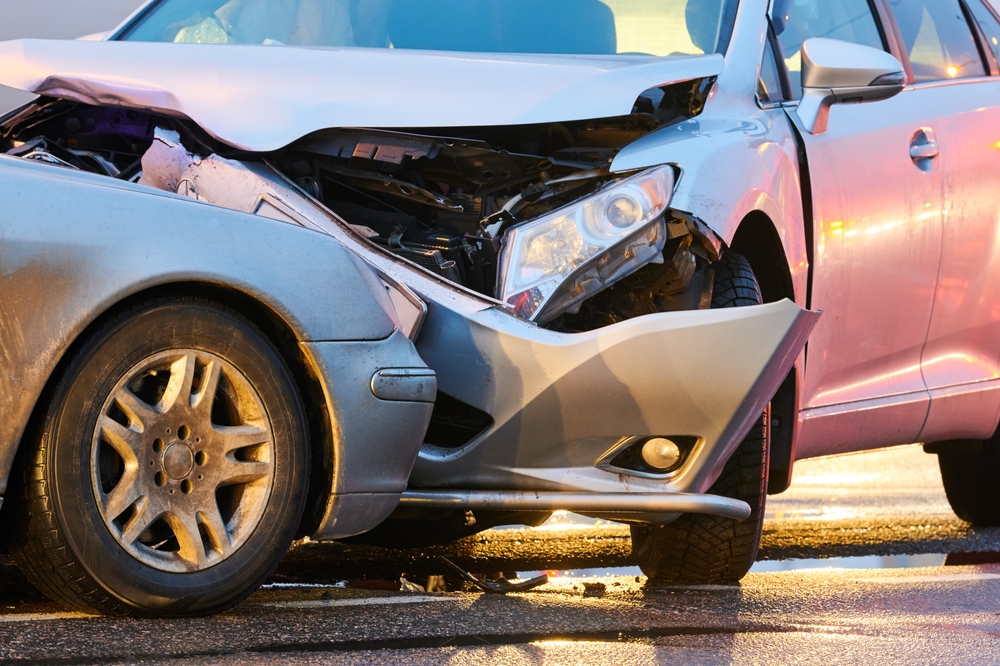
After a car accident, your first concern is usually your health and getting somewhere safe. Evidence is the last thing on your mind. But those details can become important later, especially when the drivers disagree about what happened.
A photo, a witness’s phone number, or a police report may seem small at the time. Later, they can help show what happened and support your claim. A car accident attorney can also help when important evidence was missed or needs to be gathered after the crash.
So, what evidence should you look for after a car accident? Let’s take a closer look.
If you can do so safely, start with photos. Take pictures of the vehicles, damage, traffic signs and signals, skid marks, debris, road conditions, and any visible injuries.
Also exchange names, phone numbers, addresses, license plate numbers, and insurance information with the other drivers. If anyone saw the crash, get their name and contact information before they leave.
These details can be difficult to collect later, so it is worth taking a few extra minutes at the scene. Our guide to documenting an accident scene explains what to photograph and what information to collect.
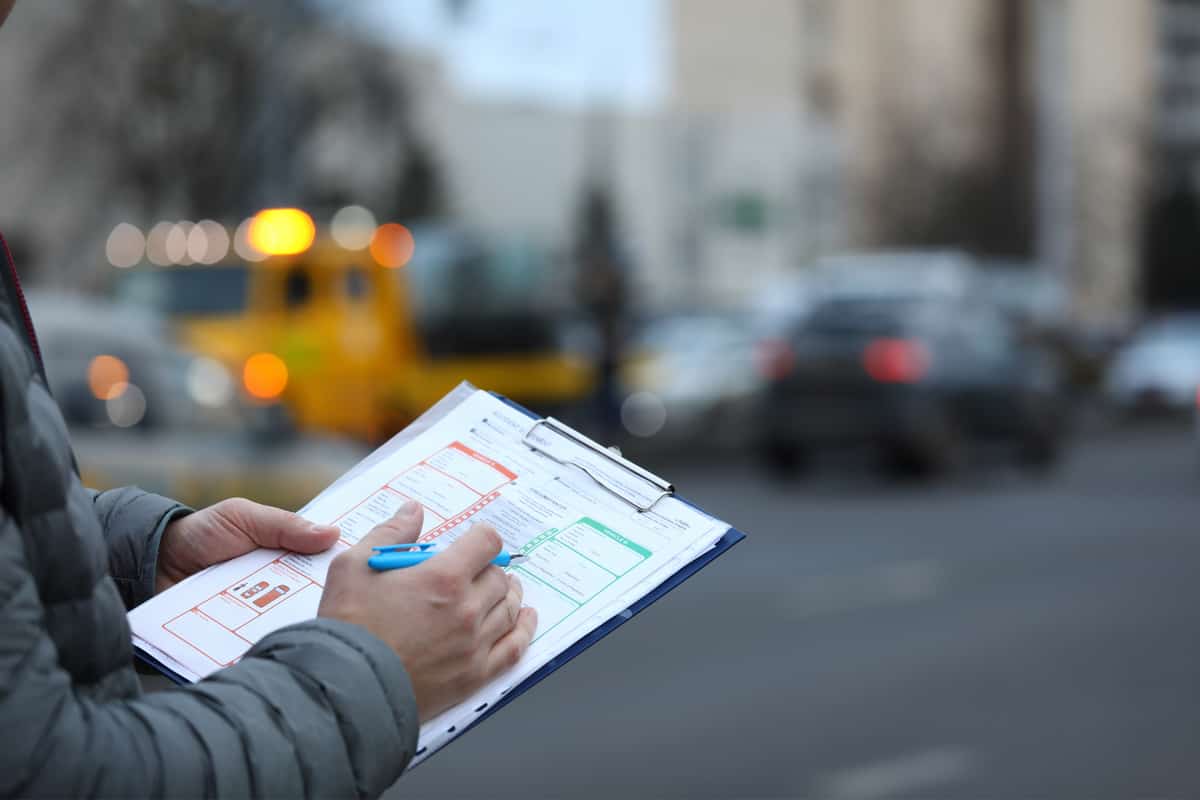
Louisiana law requires you to notify police after a crash that causes an injury, death, or more than $500 in property damage. You can find the reporting requirement in R.S. 32:398.
If the crash happens in New Orleans, NOPD will handle the report. The report can later help show what happened, including the vehicles involved, statements from those at the scene, and the officer’s observations.
Once the report is available, check it for mistakes. If something is incorrect, address it early rather than leave an error in the record.
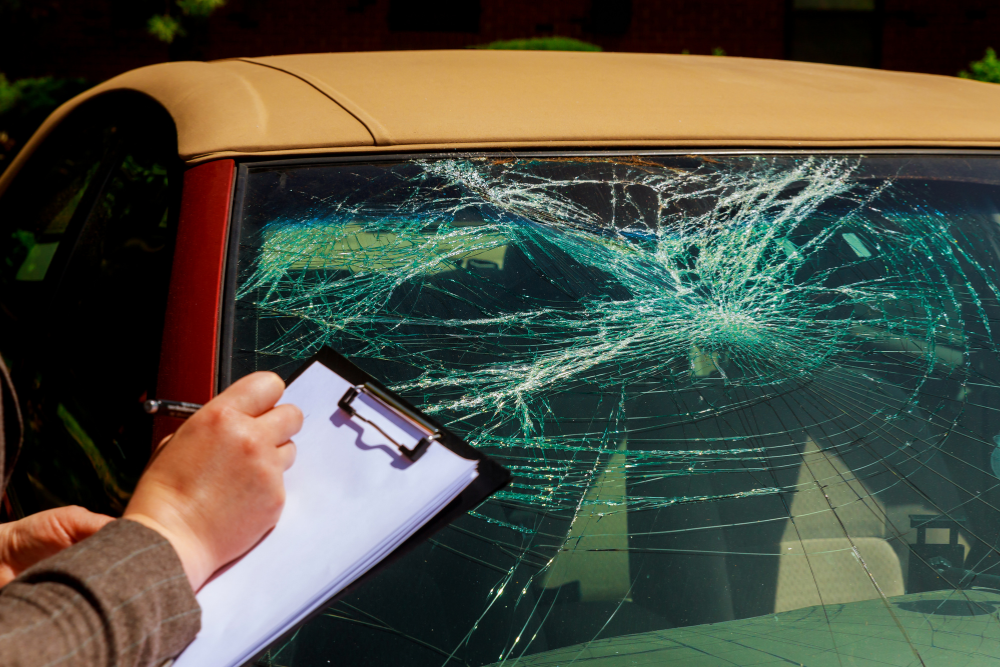
Evidence doesn’t stop at the crash scene. Your medical records, bills, lost wages, and repair costs can help show how the accident affected you and what you lost.
Keep copies of:
It is also a good idea to see a doctor soon after the crash, even if you feel okay. Some injuries may not be obvious right away. Getting medical care early also creates a record of your condition after the accident.
The evidence you collect after a crash can also matter when fault is disputed. Louisiana assigns a percentage of fault to each person involved, and that percentage can reduce the amount you recover.
For crashes before January 1, 2026, Louisiana followed a pure comparative fault rule. For crashes on or after that date, a person who is 51% or more at fault generally cannot recover damages under Article 2323, as amended by Acts 2025, No. 15.
For example, if your damages are $100,000 and you are found 40% at fault, your recovery could be reduced to $60,000. If the evidence shows you were only 10% at fault, that could mean a $90,000 recovery.
Photos, witness statements, video, and other records can help support your account of what happened when fault is disputed. That is one reason it is worth documenting the crash as carefully as you can.
Louisiana follows an at-fault system. After a crash, you generally seek compensation from the driver who caused it and that driver’s insurance company. Your evidence can help support your version of what happened and the losses you are claiming.
Sometimes, more than one insurance company may be involved. For example, if the driver was working at the time or driving for a rideshare company, another policy may also apply. The insurance companies may also disagree about which policy should cover the claim.
Another issue to consider is that the other driver may have little or no insurance. In that situation, your own uninsured/underinsured motorist coverage may provide coverage, depending on your policy and the circumstances of the crash.
Some evidence can disappear quickly. Camera footage may be overwritten, and witnesses may forget important details. A lawyer can help collect and preserve this evidence while it is still available.
This may include:
The evidence can then be used to support your claim and deal with the insurance company.
|
Evidence |
When to Get It |
What It Proves |
| Photos of vehicles, scene, injuries | At the scene | How the crash happened; fault |
| Driver and insurance information | At the scene | Who and which policies are involved |
| Witness names and contact info | At the scene | Independent account of fault |
| Police crash report | Days after | Neutral, dated record of the crash |
| Medical records and bills | Days to weeks after | Injuries tied to the crash; value |
| Lost-wage proof | After the scene | Income you lost while recovering |
| Repair estimate | After the scene | Property damage and deductible |
| Camera footage (traffic, business) | Within days (it overwrites) | Visual proof of the collision |
Photos, witness information, the crash report, medical records, and proof of your losses can all help support your claim.
You must notify police when a crash causes injury, death, or more than $500 in property damage under R.S. 32:398.
Crash reports are usually available within several working days. Check the report for any mistakes once you receive it.
It can. Evidence may help show who was at fault and support the amount of compensation you are seeking.
For crashes on or after July 1, 2024, the general deadline is two years. Earlier crashes generally had a one-year deadline.
Review it carefully before signing. A broad release may give the insurer access to medical records unrelated to your accident.
After a crash, important evidence can be lost quickly. Getting legal advice early can help you understand what to preserve and how it may affect your claim.
Charbonnet Law Firm offers free consultations. If you were injured in a New Orleans-area crash, call (504) 888-2227 to discuss your case.

With over 50 years of legal experience serving families in the New Orleans area and surrounding Louisiana communities, our firm takes pride in providing clients with personalized legal services tailored to individual needs.