
Partner at Charbonnet Law Firm LLC
Practice Areas: Car Accident, Slip-and-Fall, Work-related Injury

Understanding why a personal injury attorney may decline a case can be frustrating, especially when you feel you were genuinely harmed and expected legal help. Many people assume that attorneys take every potential claim that comes their way, but the reality is very different. A lawyer’s decision often depends on timing, available evidence, liability, damages, and whether the case meets ethical or practical requirements.
If you’ve been searching for clarity or even considering speaking with a new orleans personal injury lawyer, knowing these reasons can help you approach the process with more confidence. This guide breaks down the most common factors that influence an attorney’s decision and what steps you can take if your case is declined.
Personal injury attorneys review each potential claim carefully before agreeing to represent someone. This is because these cases require time, resources, expert analysis, and strong supporting evidence. A decision not to take a case does not automatically mean the claim lacks merit. It simply means it may not meet the criteria the attorney needs in order to move forward responsibly.
Many factors guide this assessment, including filing deadlines, available documentation, liability, damages, and whether the claim falls within the attorney’s focus areas. Understanding these elements can help you prepare better for future consultations.
One of the most common reasons a lawyer turns down a case is that the legal deadline has passed. The statute of limitations limits how long someone has to bring a claim after an incident.
In Louisiana, the deadline is typically one year from the date of the accident. If this filing window has closed and no exceptions apply, the attorney cannot pursue the case because courts will not allow it to move forward.
This deadline affects all types of personal injury matters, including motor vehicle accidents, slip and fall incidents, and workplace injuries. Acting quickly after an accident is essential, as gathering records and documentation takes time.
When the time limit has expired, even experienced attorneys cannot change the law, which is why they must decline these claims.
Ethical rules prevent attorneys from accepting cases that create a conflict of interest. These conflicts protect clients by ensuring lawyers provide undivided loyalty and sound judgment.
A conflict may arise if:
In these situations, the attorney is obligated to decline representation. These rules are strict because they preserve fairness and prevent divided loyalties. Even if the case appears strong, an ethical conflict prevents the attorney from moving forward.
Every personal injury case requires showing that another party’s actions caused the injury. If the facts show a person is mostly responsible for their own injuries, the attorney may determine the case would be difficult to prove.
Louisiana’s pure comparative fault system allows someone to recover damages even if they share fault, but the recovery amount decreases as their responsibility increases.
If fault is heavily weighted against the person bringing the claim, the attorney may conclude that the time and cost of handling the case outweigh the potential outcome.
Attorneys examine police reports, witness statements, photographs, and available evidence to evaluate liability. When the likelihood of proving negligence is low, they may choose not to proceed.
Another reason an attorney may decline a case involves damages and documentation. Damages describe the financial and personal impact of an injury, such as medical bills, time missed from work, property repairs, and pain and suffering. If injuries are minor and recovery is quick, the potential damages may not justify the cost and effort of a full legal case.
Attorneys also need evidence to support the claim. Missing medical records, unclear accident details, or limited proof can make a case difficult to build.
This can lead attorneys to decline cases not because they doubt the person was injured, but because the legal system requires strong documentation to succeed.
Not all personal injury attorneys handle every type of case. Many focus on motor vehicle accidents, premises liability, or workplace injuries. If someone brings a claim involving medical malpractice, nursing home neglect, or a highly technical issue, the attorney may not have the background required to handle it effectively.
Some cases also require significant resources, such as expert witnesses or independent investigations. If a case is exceptionally complex or expensive to pursue, the attorney may decline it based on practicality. This decision helps protect clients from unrealistic expectations.
If an attorney declines your case, it does not necessarily mean you cannot move forward. There are steps you can take to better understand your options.
You can prepare by organizing key materials before meeting with another attorney, such as medical records, accident reports, photos, correspondence, or notes about the incident. This helps any reviewing attorney understand what happened and assess the claim accurately.
Do not assume you have no case simply because one attorney declined it. Different attorneys evaluate cases differently, especially when it comes to complexity, fault distribution, or the need for expert testimony. Asking why the case was declined may help you better prepare for the next conversation.
|
Reason |
What It Means |
How It Affects Case Acceptance |
| Missed filing deadline | Statute of limitations expired | Attorney cannot file the claim |
| Conflict of interest | Ethical rules prevent representation | Attorney must decline by law |
| High comparative fault | Client largely responsible | Reduces likelihood of recovery |
| Minimal damages | Low financial impact | Case may not justify legal costs |
| Insufficient evidence | Missing records or documentation | Hard to prove liability or damages |
| Outside attorney’s focus | Attorney does not handle that type | Client may need a specialist |
Request the reason, gather documentation, and consider speaking with another attorney for a second opinion.
No. Louisiana allows claims even when someone shares fault, but attorneys look at how fault may affect recovery.
Minor injuries may not support a full legal claim because costs and time involved may outweigh potential results.
Yes. Attorneys need clear documentation to support liability, damages, and the sequence of events.
No. Attorneys evaluate cases based on ethics, resources, liability, and available evidence.
Yes. Different attorneys may view the claim differently and may have varying experience with similar cases.
Understanding why a personal injury attorney might not take your case can help you prepare stronger documentation, act sooner, and better understand the legal process. Factors like deadlines, evidence, damages, and conflicts of interest play an important role in case evaluation. If your case has been declined, it does not necessarily mean you have no legal options. Clarifying the reason, gathering needed records, and seeking another perspective may provide the guidance you need.
If you believe you have a valid claim after an accident, Charbonnet Law Firm LLC offers respectful, informed guidance to help you understand your situation. You can request a free consultation to have your case reviewed and learn more about your options.
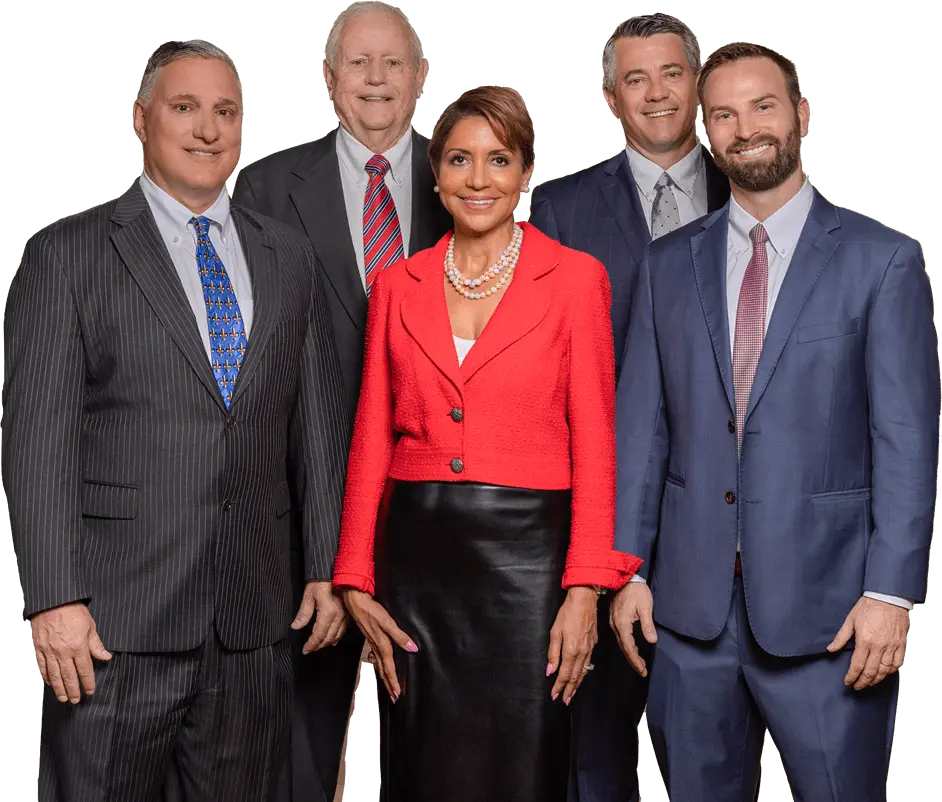
With over 50 years of legal experience serving families in the New Orleans area and surrounding Louisiana communities, our firm takes pride in providing clients with personalized legal services tailored to individual needs.