Partner at Charbonnet Law Firm LLC
Practice Areas: Car Accident, Slip-and-Fall, Work-related Injury
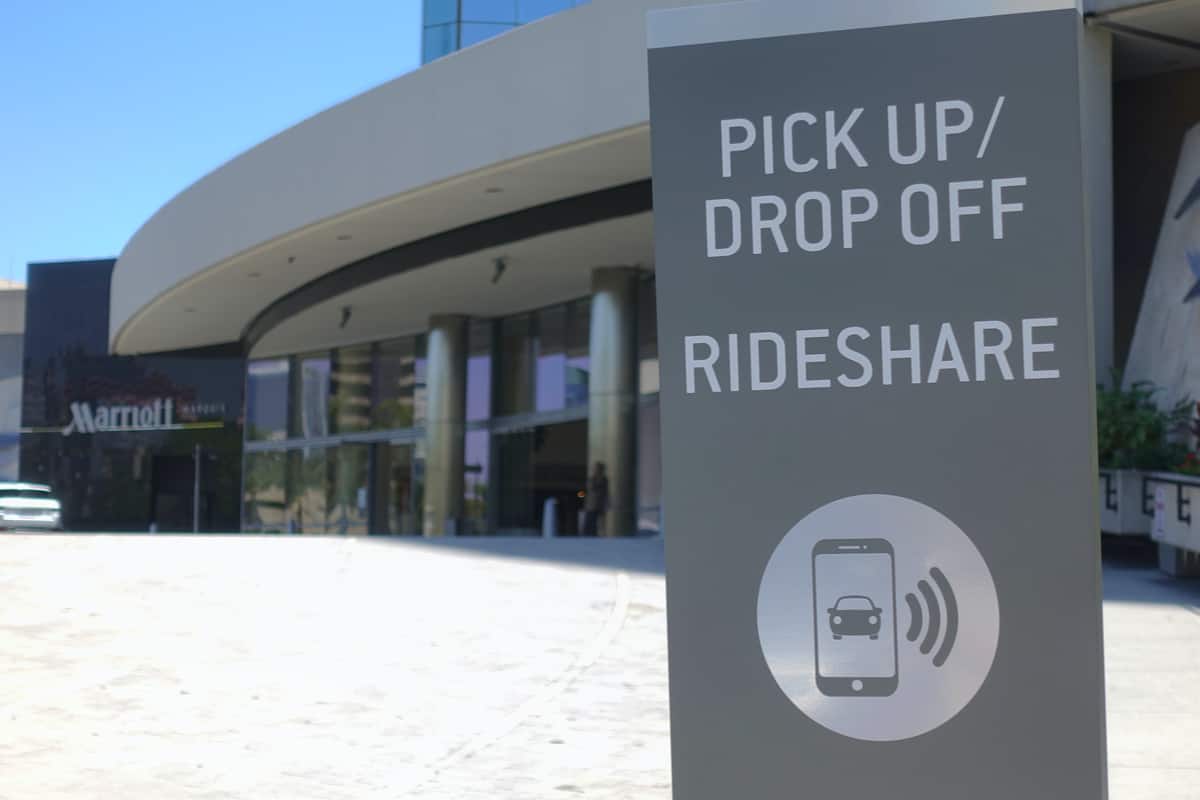
Rideshare apps have changed the way people move around cities like New Orleans. Whether it is a quick ride to work or a late-night pickup, services such as Uber and Lyft offer convenience that traditional taxis never could. But as these services grow, so do questions about what happens when a rideshare trip ends in a crash.
One of the most common questions people ask is whether they can hold the rideshare company itself responsible for an accident involving one of its drivers. The answer is not always simple, and it depends on how rideshare insurance works, the driver’s status in the app, and the company’s own safety policies.
This guide breaks down how rideshare accident liability works, when a rideshare company may share responsibility, and the steps passengers should take after a collision. If you need clarity about your situation, speaking with a New Orleans rideshare accident attorney can help you understand what applies to your circumstances.
Rideshare companies use a transportation network company model where drivers work as independent contractors using their own vehicles. Riders request trips through the app, and the platform matches them with the nearest available driver. This business structure is important because it affects liability after an accident.
Drivers are not employees, so traditional employer rules usually do not apply. The company provides the technology, payment system, and guidelines, but drivers control their hours and the way they drive.
This independent contractor liability model limits when a rideshare company is automatically responsible for a crash.
The system relies heavily on:
These features help the rideshare company operate efficiently, but they also create questions about responsibility if an accident occurs during a trip.
Even though drivers are contractors, there are situations where a rideshare company may share responsibility. This is typically based on whether the company failed to follow reasonable safety practices.
A rideshare company could be responsible if:
These situations relate to legal concepts such as negligent hiring, negligent supervision, or negligent retention. In Louisiana, there is no specific law that automatically makes rideshare companies responsible for every accident involving their drivers. That means responsibility depends entirely on the facts of the situation.
“Louisiana has not enacted a specific law assigning direct liability to rideshare companies in every accident, so responsibility is determined case-by-case.”
Understanding these points helps riders see why suing a rideshare company directly is possible only in limited scenarios.
Insurance coverage is one of the most important parts of rideshare accident liability. Coverage changes depending on the driver’s app status at the time of the crash.
|
Driver Status |
What It Means | Typical Insurance Coverage |
Notes |
| Offline | App not active | Personal auto policy applies | No rideshare coverage |
| Logged in (no trip accepted) | Waiting for request | Limited liability coverage | Lower limits |
| Ride accepted / en route | Driving to pick up rider | Higher company liability coverage | Applies before pickup |
| Passenger in vehicle | Trip in progress | Maximum liability coverage | Ends when passenger exits |
Rideshare insurance coverage can be confusing because it depends so heavily on timing. This table helps passengers understand why coverage can shift quickly during a trip.
Some personal auto policies exclude coverage when a vehicle is used for commercial purposes, so rideshare insurance becomes essential in these situations.
Ridesharing changed the way people travel, but research shows it may have influenced accident patterns. Early predictions suggested rideshare services would reduce drunk driving and lower crash risks. However, later studies report mixed results.
Certain studies found increased traffic volume in rideshare-active cities due to more drivers staying on the road between trips. More congestion often means more chances for collisions.
“Research published by the University of Chicago found that ridesharing services correlate with a measurable increase in motor vehicle fatalities due to more vehicles being active on the road.”
While rideshare services offer convenience, they also bring new safety challenges that passengers should be aware of.
If you are involved in a rideshare accident, taking the right steps can help protect your health and strengthen any future claim related to the incident.
Start by checking for injuries and getting medical care. Even if symptoms feel mild, it is important to seek attention because some injuries appear later. Then collect as much information as possible from the scene.
Useful actions include:
Screenshots of the trip details from the rideshare app can also help. This includes driver name, route, pickup and drop-off times, and ride ID. Reporting the incident through the app creates an official record.
A rideshare company can be sued directly only if there is evidence that the company’s own actions contributed to the accident. This may include failing to properly screen a driver, ignoring safety policies, or allowing an unqualified driver to continue accepting trips.
Each situation is different. To hold a rideshare company responsible, the evidence must show the company’s involvement in the factors leading to the crash.
“Direct claims against a rideshare company typically require evidence of negligent hiring, negligent supervision, or policy failures contributing to the collision.”
It is important for riders to understand that personal injury outcomes depend entirely on the specific details of each case. If you need guidance about your situation, speaking with a New Orleans personal injury attorney can help you understand your options based on the facts of your accident.
Riders should know that personal injury outcomes depend on the specific facts of each case.
Only if the company’s own actions contributed, such as improper screening or ignoring safety issues.
Yes, but coverage is limited during the waiting period before a trip is accepted.
Drivers are independent contractors, so traditional employer responsibility usually does not apply.
Photos, witness names, app screenshots, medical records, and any details showing how the crash occurred.
Some studies show more vehicles on the road due to rideshare demand, which increases crash exposure.
Rideshare accident liability depends on the driver’s status, insurance layers, and whether the rideshare company followed proper safety practices. Understanding how these factors work helps passengers make informed decisions after a crash.
If you were involved in a rideshare accident and want to know your options, Charbonnet Law Firm, LLC can review your situation and explain how the law applies to your circumstances. You can reach out today for guidance and a free consultation.

With over 50 years of legal experience serving families in the New Orleans area and surrounding Louisiana communities, our firm takes pride in providing clients with personalized legal services tailored to individual needs.