Partner at Charbonnet Law Firm LLC
Practice Areas: Car Accident, Slip-and-Fall, Work-related Injury
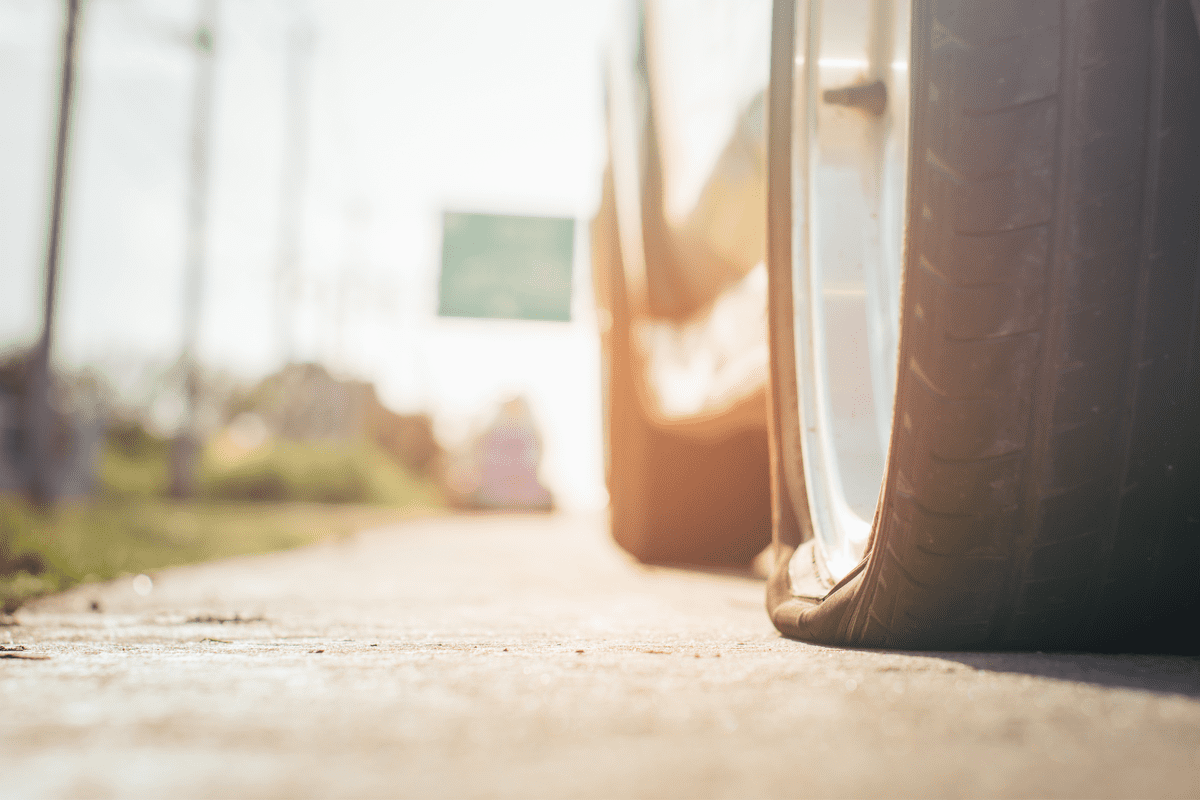
Truck tire blowouts happen fast and can send a large commercial truck out of control in seconds. When a tire on an 18-wheeler explodes, nearby drivers often have little time to react, which can lead to serious multi-vehicle crashes. Situations like this raise an important question: who is legally responsible when a blown truck tire causes an accident?
This guide explains the most common causes of truck tire blowouts, how fault is determined under Louisiana law, and the types of evidence investigators rely on after these crashes. If you need clarity about your specific situation, consulting a truck accident lawyer in New Orleans can help you understand your options and next steps.
Truck tire blowouts rarely happen without warning. Most are linked to preventable mechanical or maintenance-related issues. Understanding these causes helps explain why liability may fall on different parties.
Many fleets now use tire pressure monitoring systems and roadside sensors to detect underinflated tires early. In Virginia alone, roadside monitors flagged more than 25,000 unsafe truck tires between 2020 and 2023.
“FMCSA Regulation 49 CFR 393.75 prohibits commercial vehicles from operating with worn, underinflated, or damaged tires.”
A blowout does not automatically make a driver or company negligent. Investigators must determine whether the blowout was preventable.
Louisiana uses a pure comparative fault system. Each party’s role is measured as a percentage, and any recovery is reduced by that percentage.
Investigators typically review:
If evidence shows that the tire should have been repaired, replaced, or detected during inspections, fault may be assigned accordingly.
“Louisiana follows a pure comparative fault system, meaning each party’s compensation is reduced by their percentage of fault.”
Several parties may share fault, depending on the cause of the blowout and the evidence collected.
Drivers must check tires before trips and monitor them throughout the drive. Ignoring visible wear or driving at unsafe speeds can lead to fault.
Companies are responsible for maintaining their fleet. If maintenance schedules were ignored or safety policies were weak, liability may apply.
If a tire fails due to defective materials or poor design, the manufacturer may be responsible.
Shops hired to repair or inspect the truck may be liable for overlooking worn or damaged tires.
Improperly loaded or overweight cargo can put additional stress on tires.
Rarely, a government entity may be responsible if a known road hazard was reported and not repaired.
“Drivers and carriers are required under FMCSA rules to inspect tires before each trip and ensure they are free of visible defects.”
Blowout-related crashes often require detailed investigation.
The following evidence helps determine who may be responsible:
This evidence helps investigators understand whether the blowout resulted from maintenance issues, defects, loading problems, or road hazards.
Understanding the legal framework helps explain why certain actions may be considered negligent.
“In Louisiana, individuals generally have one year from the date of a collision to file a personal injury claim.”
Relevant rules include:
These laws help determine whether the responsible party acted responsibly before the blowout occurred and whether the failure could have been prevented through proper maintenance, inspections, or safety measures.
If you need guidance understanding how these rules apply to your situation, speaking with a New Orleans personal injury lawyer can help you make informed decisions.
|
Cause of Blowout |
Potentially Responsible Party |
Legal Explanation |
| Underinflated tire | Driver or trucking company | Failure to inspect or maintain |
| Overloaded cargo | Trucking company or loader | Improper weight distribution |
| Defective tire | Tire manufacturer | Possible design or material defect |
| Road hazard | Government entity (rare) | Requires proof of prior notice |
| High-speed travel | Driver or employer | Unsafe operation or speed |
| Improper maintenance | Trucking company or contractor | Missed inspections or repairs |
No. Investigators review maintenance history, tire condition, and road hazards to determine whether the blowout was preventable.
Yes. Fault may be shared among drivers, companies, manufacturers, loaders, or contractors based on evidence.
A manufacturer may be responsible if the failure resulted from a design issue, poor materials, or production errors.
Investigators use tire fragments, ECM data, inspection logs, and expert reports to understand why the tire failed.
Yes. Most claims must be filed within one year, so early evidence collection is important.
FMCSA rules set tire safety standards. Violations can help show maintenance failures or inspection errors.
Truck tire blowouts can stem from maintenance issues, defects, improper loading, or roadway conditions. Determining fault requires a detailed look at the tire’s condition, the truck’s maintenance history, inspection records, and whether federal safety rules were followed. Understanding these factors helps clarify who may be responsible when a blown tire leads to a crash.
Charbonnet Law Firm, LLC has extensive experience with complex truck accident cases and can help individuals understand their rights after a blowout-related collision. If you need guidance, reach out for a free consultation and discuss your next steps

With over 50 years of legal experience serving families in the New Orleans area and surrounding Louisiana communities, our firm takes pride in providing clients with personalized legal services tailored to individual needs.