
Partner at Charbonnet Law Firm LLC
Practice Areas: Life Insurance Disputes
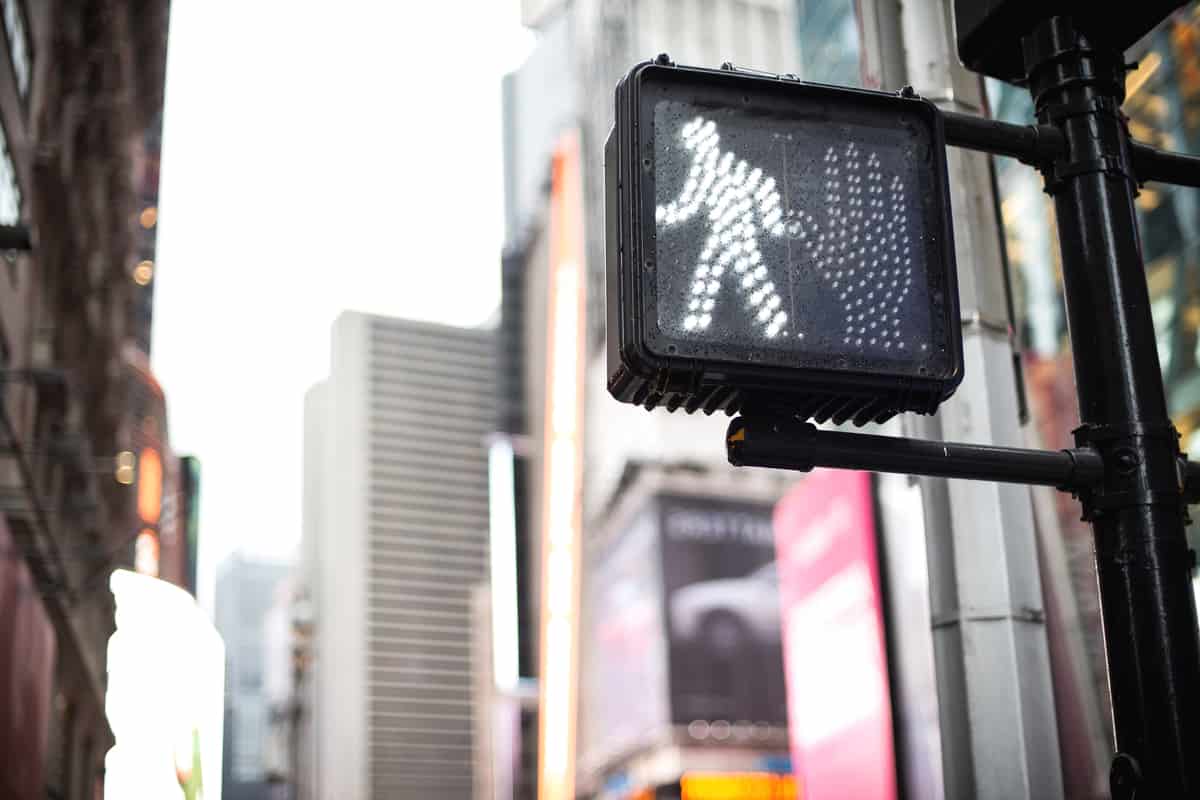
Walking is a normal part of life in New Orleans. The city’s neighborhoods, nightlife, festivals and historic districts draw thousands of people onto the streets every day. Yet these same streets also see some of the highest pedestrian accident numbers in Louisiana. Understanding why these crashes happen and how local conditions influence them can help residents and visitors stay safer.
This guide breaks down the major causes, injury patterns, laws, and risk factors linked to pedestrian accidents in New Orleans. It also highlights practical safety steps both drivers and pedestrians can take across the city.
Pedestrian accidents remain a serious public safety concern throughout Louisiana. Dense foot traffic, busy tourism zones and older road layouts in New Orleans create conditions where pedestrians and vehicles frequently interact.
According to the Louisiana State University’s Center for Analytics and Research in Transportation, more than 1,400 pedestrian injuries occur statewide each year, with over 100 fatalities.
A significant share of these incidents occur in Orleans Parish. The mix of narrow roadways, entertainment corridors, nightlife areas and heavy visitor foot traffic increases exposure for people walking.
Pedestrians face more direct impact in crashes because they have no physical protection, which commonly results in more severe injuries. New Orleans also has a growing walking culture, especially around the French Quarter, CBD, Mid-City and Uptown. While walkability is a major appeal, it also brings added risks in congested areas, particularly at night.
Pedestrian accidents in the city rarely stem from a single factor. They usually involve a combination of driver behavior, pedestrian visibility and roadway design.
Some of the most common contributing conditions include:
Additional causes often seen in New Orleans include:
Nearly one-third of all Louisiana pedestrian fatalities occur in Orleans Parish, reflecting the dense pedestrian activity in New Orleans.
Because pedestrians lack physical barriers, injuries tend to be significant. Common injury patterns seen in New Orleans pedestrian accidents include:
These injuries often require extensive medical treatment and long-term care, which is why understanding the risks is so important.
Louisiana has several traffic statutes designed to protect people walking throughout the state.
Louisiana Revised Statute RS 32:212 requires drivers to yield to pedestrians within marked crosswalks when the pedestrian is close enough to be in the vehicle’s path.
Other relevant statutes include:
RS 32:214- Outlines pedestrian duties, including staying on sidewalks where available.
RS 32:216- Covers crossing rules at locations other than crosswalks.
Louisiana also follows a comparative fault system, meaning responsibility for an accident may be shared based on each party’s actions. While this blog is informational, understanding how fault may be evaluated helps explain why safety practices matter.
Certain locations in the city consistently see higher rates of pedestrian incidents due to road design, lighting and heavy activity.
Common high-exposure corridors include:
Tourist-heavy areas experience increased foot traffic, especially at night. Event seasons such as Mardi Gras bring large crowds into older, narrow streets, raising exposure even more.
Additional risk factors include:
Urban corridors with mixed-use development and heavy tourism experience the highest incidence of pedestrian crashes due to foot traffic volume and roadway configuration.
| Cause or Condition |
Description |
Why It Creates Elevated Risk in New Orleans |
| Distracted driving | Driver attention is reduced | Heavy foot traffic and unpredictable crossings |
| Speeding | Less reaction time for drivers | Narrow streets and busy intersections |
| Impaired visibility | Poor lighting or weather | Older infrastructure and nighttime activity |
| Failure to yield | Misjudging pedestrian movement | Dense intersections with competing traffic |
| High tourism areas | Large moving crowds | Frequent pedestrian crossings throughout districts |
| Poor street lighting | Low night visibility | Entertainment areas active late into the night |
Although the city continues working to improve pedestrian safety, individuals can also take steps to reduce accident risks.
For pedestrians:
For drivers:
Infrastructure improvements such as better lighting, clearer signage and protected crossings have shown positive results in many cities. These types of measures can support safer shared roads as New Orleans continues to grow.
Heavy foot traffic, tourism, nightlife and older road layouts create frequent interactions between pedestrians and vehicles.
French Quarter, CBD, Claiborne Avenue, Canal Street and other high-activity corridors see frequent incidents.
Fractures, head trauma, back injuries, soft tissue damage and spinal cord injuries are most common.
Drivers must yield in crosswalks, while pedestrians must follow crossing rules outlined in state statutes.
Low visibility, impaired driving and limited lighting increase the chance of collisions at night.
Staying alert, reducing speed, using crosswalks and improving visibility can help prevent accidents.
Pedestrian accidents in New Orleans remain a major concern due to the city’s busy streets, tourism, road design and traffic patterns. Understanding local risks, injury patterns and Louisiana’s pedestrian laws helps both residents and visitors move around the city more safely.
If you or someone close to you has been affected by a pedestrian accident, the New Orleans personal injury lawyers at Charbonnet Law Firm, LLC can help you understand your options and provide guidance based on your situation. Reach out today for a free consultation and learn more about the steps available to you.

With over 50 years of legal experience serving families in the New Orleans area and surrounding Louisiana communities, our firm takes pride in providing clients with personalized legal services tailored to individual needs.