Partner at Charbonnet Law Firm LLC
Practice Areas: Car Accident, Slip-and-Fall, Work-related Injury

Travel across New Orleans relies heavily on its many bridges and tunnels, and these structures introduce risks that drivers may not encounter on regular roads. If you have been involved in an accident on one of these crossings and need guidance on what to do next, you can speak with New Orleans car accident lawyers for clarity on your options.
This guide explains the main causes of bridge and tunnel accidents, the challenges these structures create, and the regulations that influence how incidents are evaluated.
New Orleans features an unusually high number of bridges and elevated roadways, along with a few key tunnels that connect busy corridors. These areas create safety challenges that differ from regular roads.
Common risk factors include narrow lanes, limited visibility, low clearance points, fast-changing weather, and high commercial traffic volumes.
Accidents in these areas often cause more disruption because these structures carry essential routes. A single crash can halt traffic for miles, delay emergency services, and increase the likelihood of secondary collisions.
Infrastructure limitations also contribute. Some bridges are older, height signage may not always be noticeable, and tunnels can intensify visibility problems when entering or exiting.
Bridge and tunnel accidents often occur due to misjudged clearance, poor visibility, and driver inattention, especially where lanes are narrow or overhead space is limited.
Accidents rise when structural limitations and human errors overlap. On bridges, drivers may face strong crosswinds, tighter lanes, and no shoulder space to correct mistakes. Tunnel environments introduce different issues such as sudden darkness, headlight glare, and reduced air circulation.
Important contributing factors include:
Some collisions occur when larger vehicles misjudge their height or load stability. Others happen because drivers change lanes too quickly or underestimate how fast conditions shift when leaving open roadways and entering a confined space.
Studies show that visibility adjustments can take several seconds, which may be enough to trigger a rear-end crash or sideswipe in tunnels.
According to the National Transportation Safety Board, more than 3,200 bridge and overpass strikes were recorded between 2007 and 2017, with costs approaching $1 billion.
Driving behavior on bridges and tunnels is governed by the New Orleans City Code, Chapter 154, Article V, Division 2, which outlines the city’s “Rules of the Road.” These regulations help determine whether a driver followed proper speed, signaling, and lane use practices.
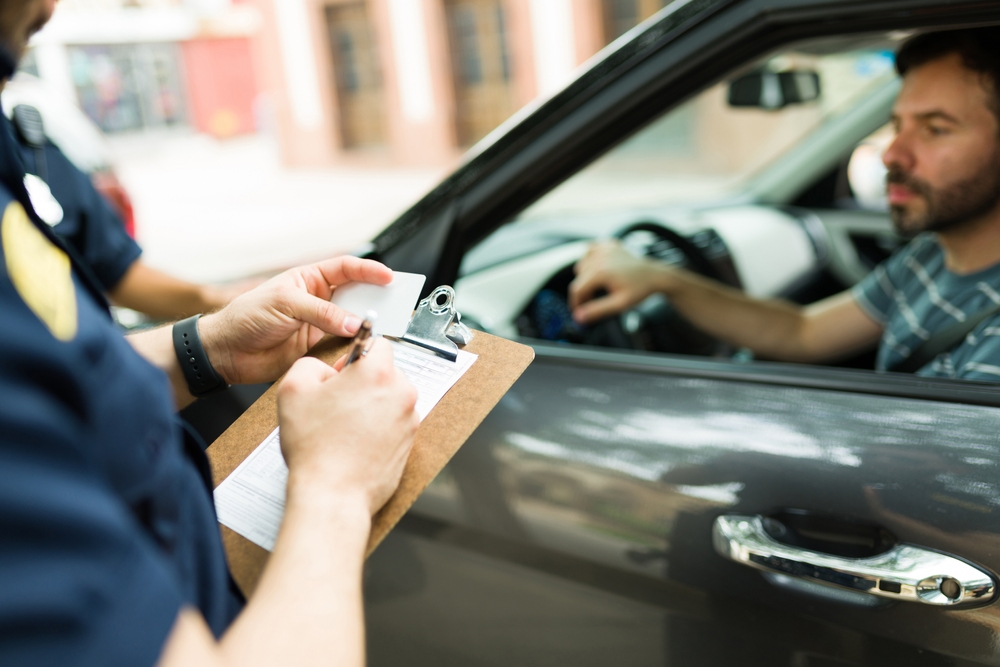
Traffic citations issued after an accident can serve as evidence of whether a driver complied with these rules.
This framework emphasizes:
Understanding these rules helps clarify how accidents happen, especially when visibility is limited or when structural restrictions are involved.
The New Orleans City Code outlines standards for speed, signaling, and lane use that play a key role in determining how traffic incidents on bridges and tunnels are evaluated.
Bridge and tunnel strikes are not limited to Louisiana. Nationwide, agencies are working to modernize data collection and introduce new safety measures.
The NTSB has recommended several steps to help states reduce bridge and tunnel impacts. These include better signage placement, mounted height-detection systems, improved lighting, reflective markers, and smarter design of protective barriers.
Many states are also exploring advanced engineering practices that strengthen structures against vehicle impacts and make signage more visible at higher speeds. Learning from successful programs around the world helps transportation departments improve local safety plans.
The NTSB recommends enhanced data collection and stronger interagency coordination to understand and reduce bridge and tunnel impacts.
One of the biggest obstacles to improving safety is the lack of a unified national reporting system. Many bridge and tunnel strikes go unreported because damage may not be immediately noticed or local agencies use different reporting criteria.
This leads to missing data in several areas, including:
Without consistent reporting, it becomes harder for engineers and planners to spot patterns or evaluate which prevention strategies actually work. Improving data collection helps ensure safer long-term transportation planning for cities like New Orleans.
Drivers play a key role in reducing bridge and tunnel accidents. Small adjustments can make a significant difference in confined or elevated areas.
Follow these essential tips:
Drivers should also prepare for sudden traffic shifts, keep headlights at the appropriate setting, and monitor weather conditions closely.
Knowing your vehicle’s clearance, using ventilation controls in tunnels, and staying alert around maintenance crews enhances safety for everyone on the road.

Improving safety on New Orleans’ bridges and tunnels requires cooperation across many sectors, including transportation departments, engineers, and policymakers. Regular monitoring, new protective technologies, and driver awareness campaigns can make travel safer.
A long-term approach that blends research, better reporting, and community education helps reduce the frequency and severity of bridge and tunnel incidents. These improvements not only protect drivers but also support the region’s transportation efficiency and economic activity.
|
Hazard Type |
Bridge Conditions | Tunnel Conditions |
Safety Consideration |
| Visibility | Affected by weather and sun glare | Reduced lighting and sudden darkness | Adjust speed and headlights |
| Clearance | Height and weight limits vary | Fixed low clearance areas | Know vehicle dimensions |
| Lane Width | Often narrow with limited shoulders | Confined lanes with walls close by | Maintain lane discipline |
| Weather Impact | Strong winds, wet surfaces | Moisture and condensation | Reduce speed in changing conditions |
| Emergency Access | Easier access for responders | More limited and slower to reach | Follow instructions and keep lane clear |
Bridges expose drivers to wind, narrow lanes, limited shoulders, and fast traffic transitions that increase the chance of collisions.
Tunnels create sudden lighting changes, confined space, and limited escape routes that influence accident patterns differently than open structures.
They set standards for speed, signaling, lane control, and safe driving behavior, which help determine contributing factors after a crash.
Rain, fog, and wind influence traction and visibility on bridges, while tunnels may trap moisture and reduce visibility at entry points.
Some impacts cause minor or delayed damage, and inconsistent reporting systems make it difficult to track every incident.
Stay alert, follow signs, slow down in changing conditions, and know your vehicle’s clearance before entering restricted areas.
Bridges and tunnels across New Orleans present distinct challenges that require drivers to stay alert, adjust to changing conditions, and follow posted rules carefully. Understanding how these structures function, along with the national safety insights and reporting gaps, helps explain why they demand more caution than standard roadways.
If an accident occurs on a bridge or tunnel and you need guidance on what steps to take next, speaking with a New Orleans personal injury lawyer can help you understand your available options. Charbonnet Law Firm, LLC is here to offer clear direction so you can make informed decisions.
Reach out for a free consultation to learn more about the legal considerations involved and how to protect your rights moving forward.

With over 50 years of legal experience serving families in the New Orleans area and surrounding Louisiana communities, our firm takes pride in providing clients with personalized legal services tailored to individual needs.