
Partner at Charbonnet Law Firm LLC
Practice Areas: Car Accident, Slip-and-Fall, Work-related Injury
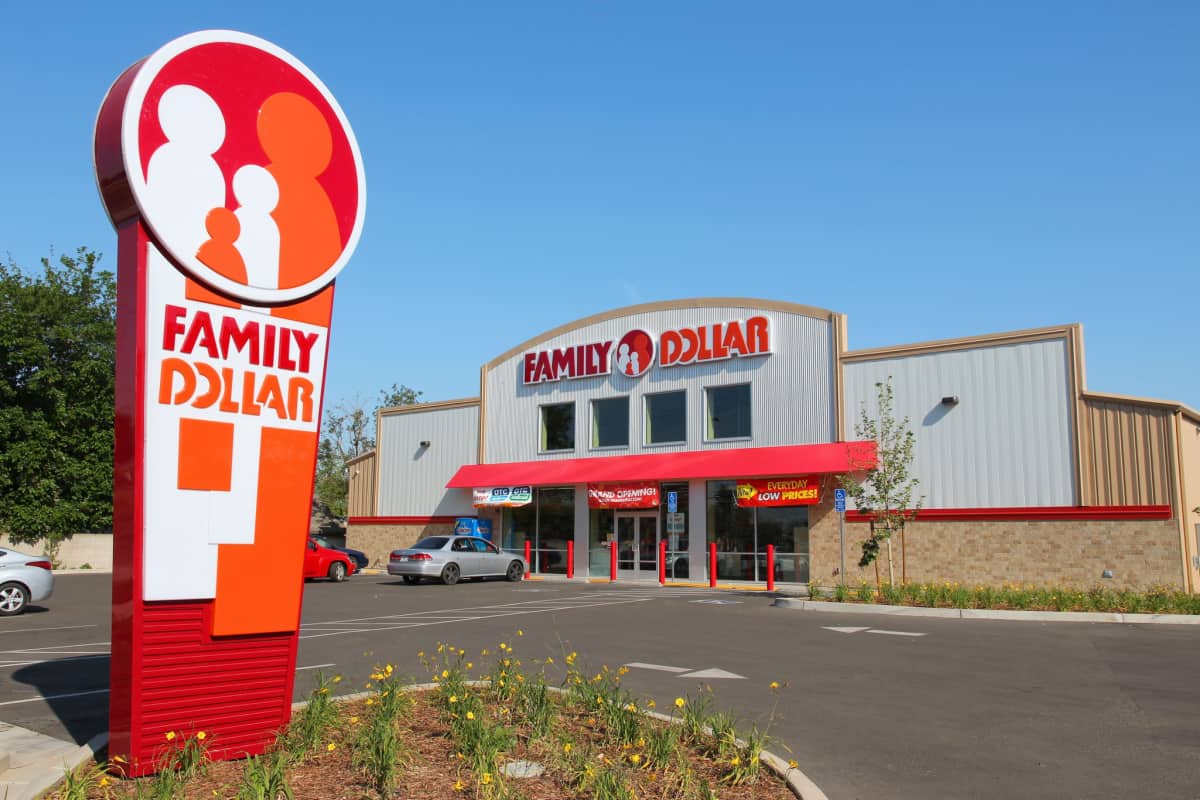
The recent recall involving more than 400 products sold at Family Dollar has raised understandable concerns for households across the country. After an FDA safety alert revealed that everyday items such as medications, personal care products and toothpaste were stored in improper conditions, many shoppers began questioning whether products in their homes might be affected.
Because the recall spans multiple categories and several states, it can be difficult to know exactly what to look for. This guide breaks down what happened, why the recall was issued and how you can check your products using simple, practical steps.
For those in Louisiana looking to understand their consumer rights, speaking with a New Orleans personal injury attorney can also provide helpful clarity in situations involving large-scale recalls.
Family Dollar recalled more than 400 products after the FDA reported improper storage conditions at one of its distribution centers. These issues involved items that many people use every day.
The recalled categories included medications, sunscreen, toothpaste, deodorant, personal care items, cosmetics and baby products. The recall applied to stores in 47 states, excluding Hawaii, Alaska and Delaware.
The FDA’s concern centered around how products were stored before reaching store shelves. When items such as cold medicines, creams or oral care products are exposed to uncontrolled temperatures, their quality can change. That can affect how they look, smell or work.
The FDA noted that improper temperature exposure can alter the chemical composition of over-the-counter products, potentially affecting safety and effectiveness.
Shoppers often assume products are safe when purchased, so a recall of this size naturally raised questions about what was in their homes.
FDA guidelines require personal care items and medications to be stored in clean environments within specific temperature ranges. These rules exist to prevent contamination and to preserve the stability of each product.
During an inspection, the FDA found that certain Family Dollar distribution centers did not meet these standards. The agency also identified previous violations involving unsanitary storage, including a highly publicized rodent infestation at an Arkansas facility.
When products are kept in hot, humid or contaminated areas, their formulas can break down or bacteria can grow. This is one of the reasons regulatory agencies take storage issues seriously.

Shoppers who visited Family Dollar during the recall period may want to verify the items they purchased. Here are the key steps to follow:
These steps give a clear starting point for anyone unsure about items already in their home.
Not every recalled item will cause a reaction, but storage issues can sometimes affect product quality. Health responses vary based on the product and the person using it.
Some commonly discussed effects of degraded or contaminated items include:
These effects do not apply to every recalled item, but they highlight why proper storage matters. Anyone noticing unexpected reactions should seek medical advice promptly.
A recall of this size can be confusing, especially when retailers handle it differently. Family Dollar announced that shoppers could return affected products without a receipt. In most cases, recalls are voluntary actions coordinated between the retailer and the FDA to remove goods from circulation.
Many consumers wonder whether a recall automatically includes compensation. Most product recalls do not include money or replacement programs unless a company chooses to offer them. Regulators focus more on removing affected items and preventing further issues.
If someone experiences side effects or notices something unusual about a recalled product, the FDA encourages reporting through its MedWatch system. These reports help federal agencies track trends and take additional action when necessary.
Federal regulations require that medications and personal care items be stored within controlled temperature ranges to maintain product stability.

Recalls are a core part of the FDA’s consumer safety system. They ensure companies address problems quickly, whether the issue involves contamination, storage violations or mislabeling.
A recall of more than 400 items is uncommon and highlights how important proper warehouse conditions are during distribution. Even brief temperature swings can cause certain formulas to separate or lose effectiveness. That is why agencies closely monitor manufacturing and storage standards.
Consumers can also help protect themselves by checking expiration dates, scanning for unusual odors or textures and staying updated on public recall announcements.
“No one should be subjected to products stored in unacceptable conditions,” stated Judith McMeekin, FDA Associate Commissioner for Regulatory Affairs.
|
Product Category |
Examples of Affected Brands |
Storage Concern |
Possible Consumer Impact |
| Cold and flu medicines | DayQuil, Tylenol | Heat exposure | Reduced effectiveness |
| Personal care items | Sunscreen, deodorant | Contamination risk | Skin irritation |
| Oral care products | Colgate toothpaste | Formula breakdown | Taste or texture changes |
| Baby products | Rash creams | Temperature swings | Increased sensitivity |
| Household items | Miscellaneous products | Poor storage conditions | Compromised integrity |
The FDA found storage and temperature violations at a distribution center, leading to concerns about product stability and safety.
Compare your item’s brand, lot number and UPC with the FDA recall list and confirm the shipping date window.
Not necessarily. Some items may be unaffected, but storage problems can sometimes change product quality.
Monitor for unusual reactions and consult a healthcare professional if symptoms appear after using a compromised product.
Reports can be submitted to the FDA through the MedWatch Adverse Event Reporting Program.
Family Dollar stated that affected products can be returned without a receipt, though no compensation program was announced.
The recall of more than 400 Family Dollar products shows how important proper storage and distribution conditions are for everyday items. Reviewing the recall list, checking lot numbers and staying alert to any unusual product changes can help consumers protect themselves and their families.
If you have questions about consumer safety issues or want to understand your options after being affected by a product recall, Charbonnet Law Firm, LLC offers support and guidance. You can request a free consultation to discuss your concerns and learn more.

With over 50 years of legal experience serving families in the New Orleans area and surrounding Louisiana communities, our firm takes pride in providing clients with personalized legal services tailored to individual needs.