Partner at Charbonnet Law Firm LLC
Practice Areas: Car Accident, Slip-and-Fall, Work-related Injury
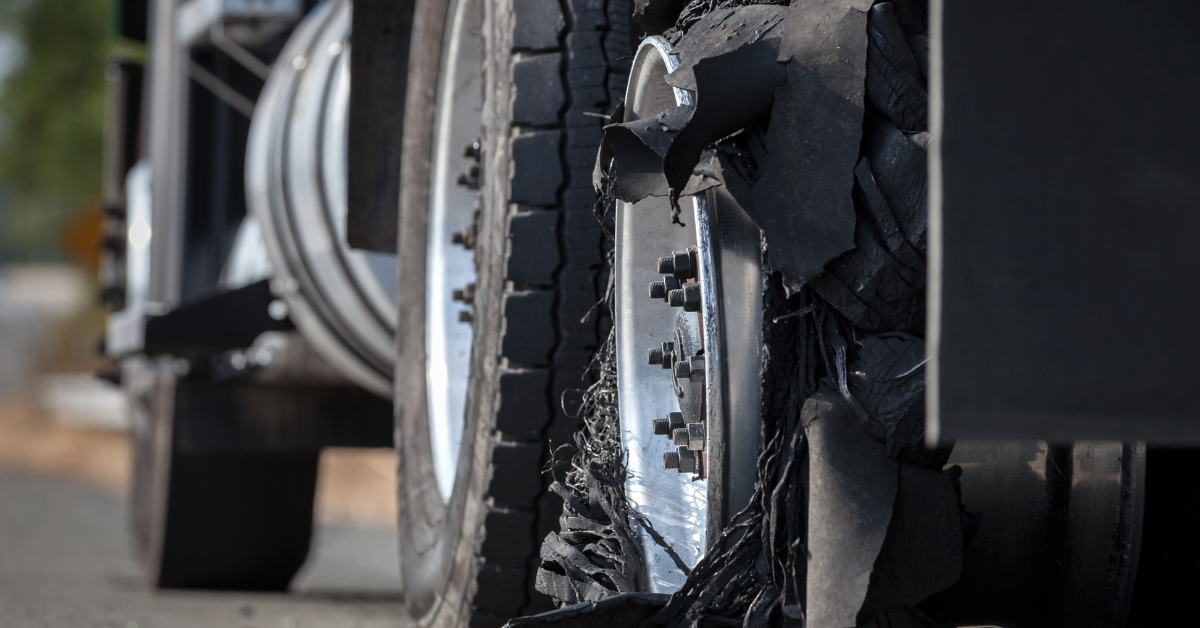
Truck tire blowouts happen throughout the year, but the risk increases sharply during summer. Rising temperatures, heavier seasonal traffic, and long highway stretches create the perfect conditions for sudden tire failure. Understanding why these blowouts occur and how they endanger everyone on the road helps drivers stay alert and prepared.
If a blowout leads to a serious roadway incident, speaking with a New Orleans truck accident attorney can help individuals understand the next steps and what factors may have contributed to the crash.
Below is a clear, easy-to-read breakdown of the causes, dangers, warning signs, and safety factors behind summer truck tire blowouts, supported by regulations, science, and industry practices.
Hot weather plays a major role in truck tire failure. As temperatures rise, the air inside a tire expands, putting extra stress on rubber that is already under heavy load. Louisiana’s summer climate, combined with long travel corridors around New Orleans and Metairie, makes blowouts more frequent during the hottest months.
High temperatures impact truck tires by:
Summer freight volume also increases, meaning more miles, heavier loads, and less downtime for maintenance. All of these factors combine to make summer truck tire blowouts, truck tire failure in hot weather, and tire tread problems in warm conditions more common.
For every 10 degrees Fahrenheit increase in temperature, tire pressure can rise by 1 to 2 PSI, which may push worn or underinflated tires beyond their structural limits.
A blowout rarely happens out of nowhere. Most failures develop gradually due to stress, heat, or damage that builds over time. Summer conditions simply speed up this process.
Both conditions intensify during summer heat waves.
Older tires lose elasticity over time. When heat softens the rubber further, it weakens the tread, increasing the chances of tire tread separation or sudden tire failure during a long trip.
Heavy weight places more stress on each tire. When trucks exceed recommended axle limits or fail to balance loads properly, heat builds faster and can lead to a catastrophic failure.
Potholes, debris, and uneven surfaces create sharp impacts that can weaken a tire’s internal structure. Louisiana’s roadways, especially during construction periods, often expose trucks to these hazards.
Industry regulations require strict inspection routines, but not every carrier follows them. Tires that are improperly repaired, incorrectly mounted, or near the end of their service life are always more likely to fail.
Federal Motor Carrier Safety Regulation 49 CFR 393.75 prohibits trucks from operating with unsafe tires, including damaged, worn, or improperly inflated tires.
Understanding what happens during a blowout helps explain why these incidents are so dangerous. When a tire fails, pressure is released instantly. For a large commercial truck, this sudden loss of stability can be difficult to control.
A typical sequence includes:
The larger and heavier the truck, the harder it is to regain control. These events happen fast, often giving nearby drivers little time to react.
Highway pavement in Louisiana can exceed 130 degrees in peak summer months, which accelerates heat buildup and weakens rubber layers inside the tire.
A truck tire blowout doesn’t only affect the truck driver. Surrounding vehicles are also at risk due to the chain reaction that follows.
Common hazards include:
Blowouts on bridges, elevated roads, or sharp curves create even higher risks. When a failure happens in heavy traffic, nearby vehicles may have limited room to avoid debris or swerving trucks.
Truck tires often show signs of stress before a full failure. Recognizing these indicators reduces the chance of a dangerous blowout.
Key warning signs include:
Many long-distance drivers rely on temperature and pressure monitoring systems, but visual inspection remains one of the most dependable ways to detect issues early.
Most blowouts are the result of ongoing damage rather than sudden failure. FMCSA data shows that underinflation and tread separation are two of the leading causes.
Trucking companies use a combination of routine inspections, monitoring devices, and regulatory checks to reduce the chance of blowouts. These practices are required under federal law and are an essential part of safe operation.
Common prevention practices include:
While no system removes the risk entirely, these measures significantly lower the likelihood of a blowout.
|
Cause |
How It Develops |
Why It Worsens in Summer |
| Underinflation | Excessive flexing builds heat | Heat increases internal temperature, speeding damage |
| Overloading | Added pressure on tire structure | Hot rubber softens under heavy stress |
| Worn Tread | Reduced grip and weak rubber layers | High pavement heat accelerates rubber breakdown |
| Road Hazards | Internal damage accumulates | Warm tires puncture more easily |
| Aging Rubber | Less elasticity and strength | Heat causes faster degradation and cracking |
Hot temperatures increase tire pressure, soften rubber, and intensify heat buildup on long trips, which makes worn or stressed tires more prone to failure in summer.
Bulges, cracks, uneven tread, high heat, and sudden pressure changes indicate a tire is weakening and may be at risk of blowing out during highway travel.
Blowouts can scatter debris, cause trucks to swerve, increase stopping distance, and create sudden lane changes that put surrounding vehicles at risk.
Aging rubber, heavy loads, repeated heat cycles, and long-term underinflation gradually weaken a truck tire until it becomes vulnerable to failure.
Those pieces are tread sections that separate from the tire during failure, often called tire gators, and are common when a commercial tire loses its structure.
Summer heat places extra stress on commercial truck tires, making blowouts more common during the hottest months. Understanding the causes, warning signs, and dangers helps drivers recognize how quickly these events can develop and how they impact everyone on the road.
If a tire blowout leads to an accident involving a large vehicle, Charbonnet Law Firm, LLC can help individuals understand their options and rights. Speaking with a New Orleans personal injury attorney can also provide clarity about what steps may apply in situations involving complex injuries or roadway hazards.
Our firm offers free consultations for those who want to learn more about these incidents and the legal steps that may follow.

With over 50 years of legal experience serving families in the New Orleans area and surrounding Louisiana communities, our firm takes pride in providing clients with personalized legal services tailored to individual needs.