Partner at Charbonnet Law Firm LLC
Practice Areas: Car Accident, Slip-and-Fall, Work-related Injury
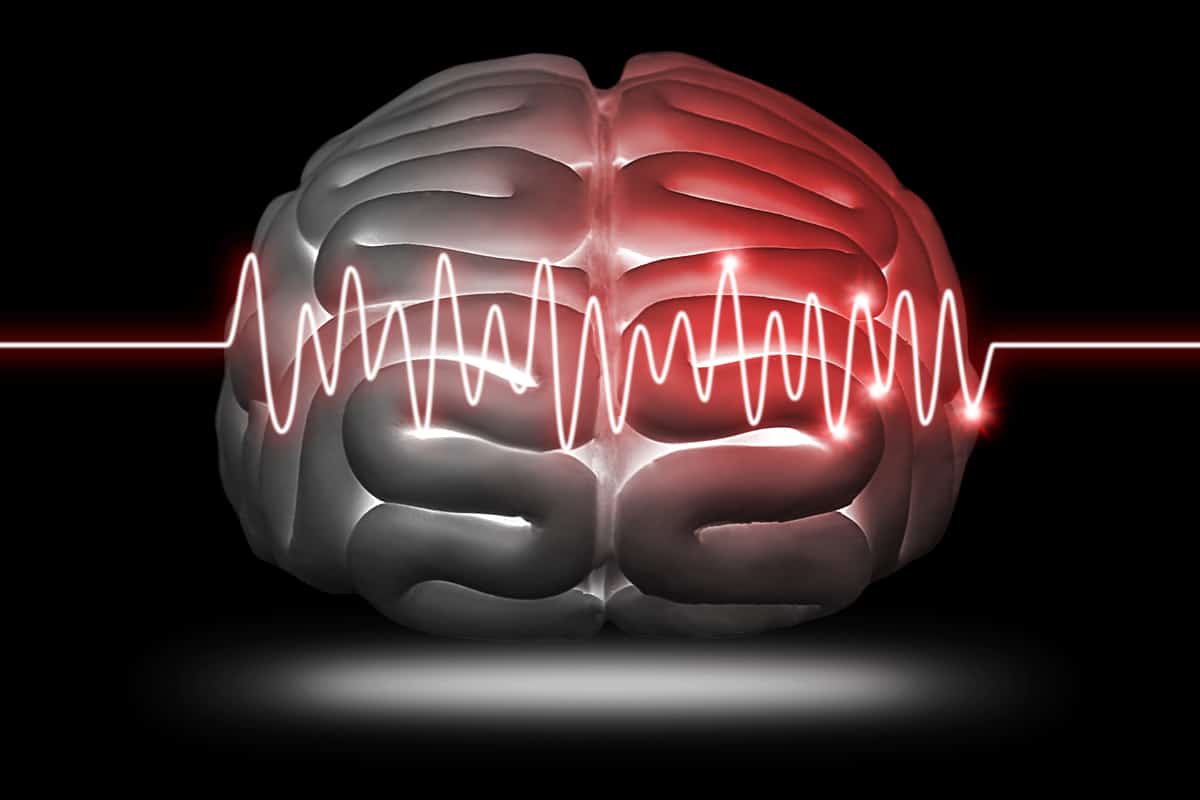
Traumatic brain injuries affect thousands of people every year. Even a seemingly mild head injury can disrupt daily life, limit independence and create long-term health challenges. Understanding how TBIs happen, the symptoms to watch for and the recovery process can help individuals and families respond more confidently after an accident.
This guide explains the causes, signs, diagnosis and treatment options for traumatic brain injuries. It also covers how liability works in incidents involving head trauma so readers can better understand what to expect.
A traumatic brain injury happens when a sudden force or impact interferes with normal brain function. This can occur from a direct blow, a violent jolt or a penetrating wound. TBIs range from mild to severe, and each level can cause different physical, cognitive and emotional effects.
Many people experience symptoms immediately, while others notice changes over several hours or days. Because the brain controls memory, movement, behavior and senses, an injury can influence multiple parts of a person’s life.
According to the CDC, more than 2.8 million Americans sustain a traumatic brain injury every year, with falls and motor vehicle incidents being the most common causes.
Short-term effects may include headaches, dizziness and confusion. Long-term complications can involve chronic pain, memory issues, sensory changes, emotional shifts or neurological conditions.
Traumatic brain injuries can occur in many everyday situations.
Some of the most frequent causes include:
Other incidents may involve being struck by an object, violent assaults or sports-related collisions. Children, older adults and males experience a higher rate of TBIs due to activity levels and fall risks.
Understanding the cause of the injury helps medical providers develop treatment plans and helps families recognize what symptoms to monitor.
TBI symptoms can vary widely depending on the severity of the impact and the area of the brain affected. Some signs appear instantly, while others develop slowly.
Common symptoms include:
Cognitive and emotional symptoms are also frequent. These may involve trouble concentrating, memory difficulties, irritability, mood swings, depression or anxiety.
Some traumatic brain injury symptoms do not appear right away and may develop days or weeks later, making ongoing evaluation important.
Severe TBIs can increase the risk of seizures, prolonged cognitive decline or long-term neurological conditions. Tracking symptoms over time helps medical providers adjust treatment when needed.
A thorough medical evaluation is essential after any head injury, even when symptoms seem minor. Emergency doctors often use CT scans or MRIs to look for bleeding, swelling, pressure changes or structural damage.
Neurological exams check reflexes, pupil reactions, memory and coordination. For more serious injuries, monitoring may continue for hours or days to ensure the brain is receiving enough oxygen and to detect complications early.
Medical records, test results and symptom logs can play an important role in understanding how the injury happened and how it progresses over time.
Treatment for traumatic brain injuries depends on the severity of the impact and the patient’s symptoms. Some individuals recover with rest and medication, while others need long-term therapy.
Typical treatment options include:
For severe TBIs, surgery may be necessary to address bleeding, remove pressure or repair fractures. Recovery timelines vary widely. Some people return to their routines within weeks, while others need extended therapy to regain function.
The long-term effects of a traumatic brain injury can last months or years, and symptoms may change as the brain heals.
Family support, lifestyle adjustments and follow-up appointments play an important role in long-term recovery.
Understanding how liability works can clarify why an incident occurred and who may be responsible. This information is presented for educational purposes only.
In many injury events, a duty of care applies. This means individuals, businesses or property owners must act reasonably to prevent harm. When that duty is breached and someone is injured, liability may be involved.
Examples of situations where liability may arise include unsafe property conditions, dangerous driving behaviors or inadequate safety practices.
Under Louisiana’s comparative fault rule, responsibility for an incident can be shared among multiple parties, which may influence how liability is assessed.
Preserving evidence such as photos, witness statements and medical reports helps build a clearer understanding of what happened.
Recovery from a traumatic brain injury depends on several factors, including:
Age, overall health, access to rehabilitation and home support can also influence long-term healing. Individuals with strong therapy routines often progress faster, although every case is unique.
| Symptom Category |
Example Symptoms |
Typical Onset |
Notes |
| Physical | Headaches, fatigue, dizziness | Immediate to hours | Caused by swelling or tissue disruption |
| Cognitive | Memory problems, difficulty focusing | Hours to days | Can worsen with activity or stress |
| Sensory | Blurred vision, ringing in ears | Immediate to days | May improve gradually with rest |
| Emotional | Anxiety, irritability, mood changes | Days to weeks | Often related to injured regions controlling behavior |
A traumatic brain injury occurs when a sudden force disrupts normal brain function, causing physical, cognitive or emotional symptoms.
Yes. Some TBI symptoms are delayed due to swelling, inflammation or gradual changes in brain activity.
Doctors use imaging tests, neurological exams and symptom monitoring to determine the extent of the injury.
Severity, age, treatment speed, lifestyle support and access to rehabilitation all influence recovery.
Potential complications include chronic headaches, seizures, memory issues and emotional changes.
Each party may share responsibility for an incident, which can affect how liability is evaluated.
Traumatic brain injuries can change daily life in significant ways, but understanding symptoms, causes and treatment options makes it easier to navigate the recovery process. Paying attention to early signs, seeking timely medical care and following structured rehabilitation can support long-term healing.
Charbonnet Law Firm, LLC provides resources to help individuals and families understand injury events and the various factors that influence recovery. If you would like guidance after a traumatic brain injury, New Orleans personal injury lawyers at the firm can offer insight into the process. You can visit the firm’s website to schedule a free consultation.

With over 50 years of legal experience serving families in the New Orleans area and surrounding Louisiana communities, our firm takes pride in providing clients with personalized legal services tailored to individual needs.